Complete Dentures
Complete dentures replace all teeth in the upper jaw, lower jaw, or both. They’re custom-made to restore your smile, support facial shape, and help with everyday function like eating and speaking.
New dentures • Replacements • Relines • Adjustments
What Are Complete Dentures?
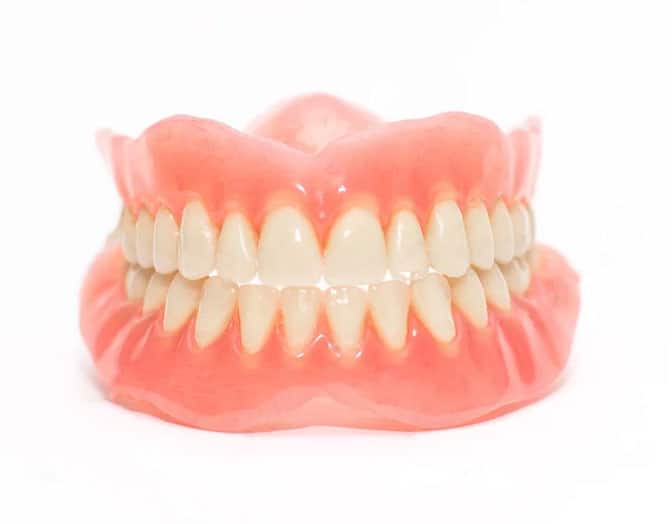
Complete dentures are removable prosthetic teeth that sit on the gums and replace a full arch of missing teeth. They’re designed to fit your mouth, balance your bite, and look natural when you smile and talk.
Complete dentures may be recommended when:
- You’re missing all teeth in an arch already
- The remaining teeth are too damaged to be restored predictably
- An existing denture no longer fits comfortably
- You want a non-surgical tooth replacement option
Related pages: Partial Dentures • Implant-Supported Dentures • Snap-In Dentures
Upper vs Lower Complete Dentures
Complete dentures can feel quite different depending on whether they’re on the upper jaw, the lower jaw, or both. That’s not a sign anything is “wrong”—it’s simply because the anatomy and muscle forces aren’t the same in each area.
Upper complete dentures
Upper dentures often have better natural retention because they cover a larger surface area and can create a seal against the palate. When the shape of the gums and palate allows, that seal can produce a suction-like effect that helps the denture stay in place during speaking and chewing.
Lower complete dentures
Lower dentures can feel less stable for some patients because the ridge is typically smaller and there’s no palate to create the same kind of seal. The tongue, cheeks, and floor-of-mouth muscles are also very active, so they can nudge the denture during normal movement.
A careful fit and balanced bite can improve stability, and if movement is still a major concern, some patients explore added retention options such as implant-retained dentures.
Immediate vs Conventional Complete Dentures
When dentures are being made around extractions (or major changes in the mouth), the timing matters almost as much as the denture itself. In most cases, there are two common approaches, and each has pros and trade-offs.
Immediate dentures
Immediate dentures are placed soon after extractions (when extractions are part of the plan). The main benefit is that you’re typically not left without teeth while everything heals, which can be important for confidence, speech, and day-to-day comfort.
Because your gums and bone shrink and reshape during healing, the fit will naturally change over the weeks and months that follow. That’s why follow-up adjustments are expected, and a reline (or other refinement) is commonly needed during the transition to keep things comfortable and secure.
Conventional dentures
Conventional dentures are made after tissues have healed more fully. Since the gum shape is more stable at that point, this approach can provide a more predictable long-term fit from the start (depending on the case).
The trade-off is that the timeline can be longer if extractions are involved, because healing time may be needed before final impressions and the final denture.
Bottom line: the best approach depends on your mouth, your timeline, and what matters most to you (appearance right away vs. long-term fit stability). A consultation helps confirm which option is the best match for your situation.
What the Process Typically Looks Like
Even though every mouth and starting point is different, most denture cases follow a similar step-by-step process. The goal is to make sure your denture doesn’t just look good—it also fits comfortably, functions well, and feels balanced when you bite and chew.
The process typically goes like this:
- Consultation and exam
We start by talking through your goals and concerns (comfort, stability, chewing, appearance, speech). Then we assess gum health, any remaining teeth (if applicable), and how your bite is functioning. If needed, we may recommend imaging (like X-rays) to help plan safely and accurately. - Records and impressions
Next we take measurements and impressions/records of your mouth. This is what guides the fit, bite relationship, and overall function—so the denture is built for your anatomy, not a generic shape. - Bite planning and smile design
This is where the “feel” of the denture gets dialled in. We plan how your upper and lower teeth come together, the vertical height (how “open” your bite is), and the smile details—so it looks natural and feels balanced rather than bulky or uneven. - Try-in step (in some cases)
Depending on the plan, there may be a preview appointment where you can see and feel a version of the denture before it’s finalized. This helps confirm aesthetics and bite, and allows small changes before the final is made. - Delivery and follow-ups
You’ll receive your denture along with care instructions and what to expect during the adjustment period. Follow-ups are important—early comfort adjustments are common and can make a huge difference in how quickly you adapt.
Getting Used to Complete Dentures
It’s completely normal for dentures to feel “new” at first — even when they’re made well. Your mouth, muscles, and brain all need a bit of time to adapt to a different shape sitting against your gums. For most people, the first days and weeks are about small refinements and getting comfortable with daily wear.
Many patients notice:
- Mild tenderness or pressure spots at first
New dentures can create small areas of rubbing or pressure as your tissues adjust. This doesn’t necessarily mean anything is wrong—it usually means a quick, targeted adjustment is needed to smooth out a high spot. - Changes in speech (often improves with practice)
Certain sounds can feel different initially, especially “s,” “f,” or “th” sounds. Reading out loud, speaking slowly, and wearing your dentures consistently (as instructed) usually helps speech normalize faster. - A learning curve with chewing (starting with softer foods helps)
Chewing with dentures is a skill you relearn. Softer foods, smaller bites, and chewing evenly on both sides often make things easier early on. As you gain confidence, you can gradually return to a wider range of foods. - Changes in fit over time as gums naturally change
Your gums and underlying bone can change shape over time—especially after extractions. That can make dentures feel looser or less stable. A reline or refinement may be recommended to improve the fit as your mouth changes.
Follow-up visits matter because dentures are rarely a “one-and-done” experience. Small adjustments can make a big difference in comfort, stability, and confidence—especially during the first few weeks.
Complete Dentures Cost (What Affects Pricing)
Fees for dentures can swing quite a bit because no two mouths (or starting points) are the same. The final cost depends on what you need replaced, how complex the fit and bite planning is, and whether anything needs to be done first (like extractions, healing, or addressing gum issues). It also depends on the type of denture design you choose—some options are simpler and more budget-friendly, while others use higher-end materials or added stability features that increase the total.
Common factors that affect pricing include:
- One arch vs. both arches
Replacing a single upper or lower arch is typically different than doing a full upper-and-lower set, both in materials and in the appointment time needed for proper bite balance. - Materials and tooth options
Dentures can be made with different base materials and different “tooth” qualities. Some choices prioritize durability, stain resistance, or a more natural look, and those upgrades can affect fees. - Whether extractions or other care are needed first
If teeth need to be removed, or if gums/bone need time to heal before finalizing the denture, that changes the overall treatment plan. In some cases, additional pre-denture care may be recommended to improve comfort and fit. - Immediate vs. conventional approach
Immediate dentures (placed around the time of extractions) can involve more follow-up visits and refinements as tissues change during healing. Conventional dentures (made after healing) may have a different fee structure depending on the timeline and steps involved. - Whether an existing denture can be adjusted or needs replacement
Sometimes a denture can be improved with a reline, repair, or bite adjustment. Other times—especially if it’s worn down, cracked, or the bite is off—a full remake is the better long-term option. - Added stability options (such as implant-retained designs)
Implant-retained dentures can improve retention and reduce movement, but they add components to the plan (and may involve surgery, healing time, and extra parts). The number of implants and the type of attachment system also affect cost.
If you want a clear estimate, the most accurate quote comes after an exam. We’ll go over what’s essential vs. optional and outline realistic options based on your goals and budget.
Want Help Choosing the Right Denture Option?
If you’re not sure whether complete dentures are the right fit, a consultation can confirm your options based on your gums, bite, and overall starting point. You’ll leave with a clear, realistic plan and next steps.