
Wisdom teeth are the last molars to come in, usually between the ages of 17 and 25. When there is not enough room for them, they can become impacted and cause pain, infection or crowding, and removal is often recommended. This guide explains why they are removed, what the procedure involves, and exactly what recovery looks like day by day so you know what is normal and when to call your dentist.
How long does it take to recover from wisdom teeth removal?
Most people feel noticeably better within three to four days and return to their normal routine in about a week. Swelling and discomfort usually peak around day two or three and then ease. The gums take roughly one to two weeks to close over, and the bone underneath continues filling in for several weeks to a few months after that, even once your mouth feels healed.
What are wisdom teeth?
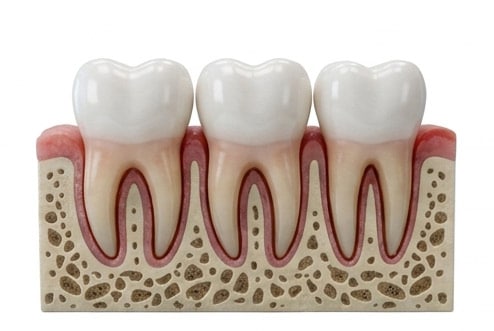
Wisdom teeth are your third molars, the last four teeth to develop at the very back corners of your mouth. They typically emerge between the ages of 17 and 25. Humans once needed them for a coarser diet, but modern jaws are often too small to fit them comfortably. Not everyone has all four, and some people never develop any, which is perfectly normal.
Why are wisdom teeth removed?
Wisdom teeth do not always need to come out. If they are healthy, fully erupted, correctly positioned and you can keep them clean, your dentist may simply monitor them. Removal is usually recommended when there is not enough room and the teeth start to cause, or are likely to cause, problems:
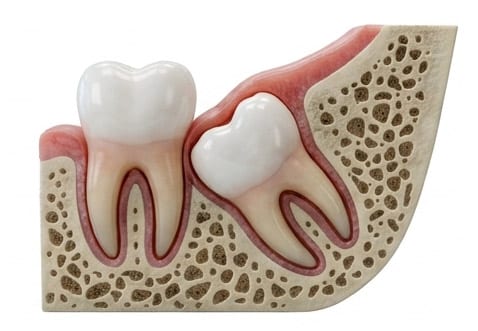
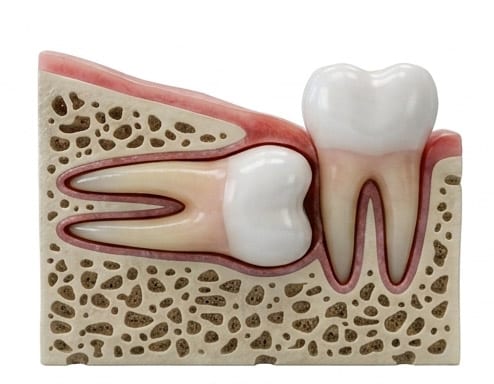
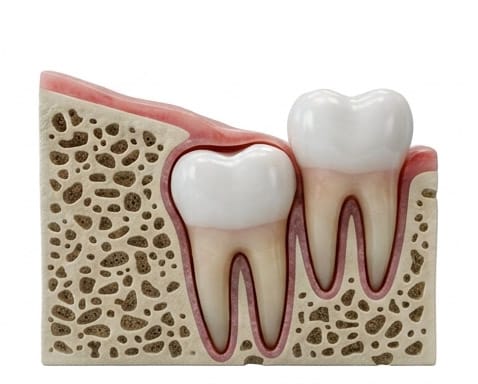
- Impaction. The tooth is trapped under the gum or in the jawbone and cannot erupt properly.
- Crowding. A tooth pushing in at an angle can press on neighbouring teeth and shift your bite.
- Decay and gum disease. Teeth this far back are hard to clean, so food and plaque build up and lead to cavities or infection.
- Partially erupted teeth. A tooth that breaks through only partway leaves an opening where bacteria collect, causing pain and inflammation.
- Cysts. A fluid-filled sac can occasionally form around an impacted tooth and damage bone or nearby teeth.
Do wisdom teeth always need to be removed?
No. A wisdom tooth that is healthy, fully grown in, biting correctly and easy to keep clean can often stay. The decision depends on your mouth, which is why an exam and X-ray matter more than a general rule.
Signs your wisdom teeth may need attention
See a dentist for an assessment if you notice any of these, especially in your late teens or twenties:
- Pain or a dull ache at the back of the mouth, sometimes spreading to the ear or jaw
- Red, swollen or tender gums around a back molar
- A bad taste or odour, or repeated infections in the same spot
- Difficulty fully opening your mouth, or pain when chewing
- Crowding or a change you can feel in how your teeth come together
Dentists often begin checking wisdom teeth with X-rays in the mid to late teens, because problems are easier to predict, and removal tends to be simpler, before the roots are fully formed.
Not sure whether what you are noticing is a real problem or just a tooth coming in? Our guide to the signs your wisdom teeth need to be removed walks through each sign, how urgent it is, and when wisdom teeth can safely stay.
Preparing for removal and your anesthesia options
Your dentist examines the teeth and takes an X-ray, often a panoramic image, to see the position of each tooth and its roots. For more complex cases you may be referred to an oral and maxillofacial surgeon. You will talk through your health history, any medications, and how the area will be numbed or you will be sedated. Ask about when to stop eating or drinking beforehand, and arrange a ride home if you are being sedated.
Local anesthetic
The area is fully numbed while you stay awake. Often used for simpler extractions.
Laughing gas (nitrous oxide)
Inhaled sedation that helps you relax; it wears off quickly afterward.
IV sedation
Medication through a vein makes you drowsy or lightly asleep. Common for impacted teeth in Ontario. You will need a ride home.
General anesthesia
You are fully asleep, usually reserved for complex cases or several impacted teeth.
The wisdom teeth removal procedure, step by step
Removing all four wisdom teeth usually takes about an hour or less. Here is what happens:
- Numbing or sedation. The area is frozen with local anesthetic, with sedation added if that is your plan.
- Accessing the tooth. If the tooth is impacted, a small opening is made in the gum, and any bone covering the tooth is removed.
- Removing the tooth. The tooth is loosened and lifted out. A tooth may be divided into sections so it can come out through a smaller opening.
- Cleaning and stitches. The socket is cleaned, and stitches may be placed. Many dissolve on their own within one to two weeks.
- Forming the clot. Gauze is placed and you bite down gently so a protective blood clot can form in the socket.
The wisdom teeth recovery timeline, day by day
Everyone heals a little differently, and surgical removal of an impacted tooth takes longer to settle than a simple extraction. As a general guide, here is what to expect:
| Stage | What is happening | What to do |
|---|---|---|
| First 24 hours | A blood clot forms in the socket. Some oozing is normal. The area is numb at first, then tender. | Rest and keep your head raised. Bite on gauze until bleeding slows. Use a cold compress 20 minutes on, 20 minutes off. Cool, soft foods and water. Do not rinse, spit, brush the area or use a straw. |
| Days 2 to 3 | Swelling and any bruising usually peak, then begin to ease. This is also when dry socket is most likely if the clot is lost. | Start gentle warm salt-water rinses after the first 24 hours, a few times a day and after meals. Keep using cold compresses and your pain relief. Stay on soft foods. |
| Days 4 to 7 | Pain, swelling and bleeding settle. Most people are back to their usual routine by around day five. | Continue salt-water rinses and gentle brushing away from the sockets. Ease back into light activity. Reintroduce slightly firmer soft foods as it feels comfortable. |
| Week 2 | Most discomfort is gone and the gums are closing over, though they are still healing. Any dissolvable stitches are usually gone. | Keep the area clean. Attend a follow-up or stitch check if one was booked. Report any new or throbbing pain, which can signal dry socket. |
| Weeks 3 to 4 | Gum tissue has largely covered the socket. Most people are back to a normal diet and full activity. | Resume your usual eating and exercise. Brush the new tissue gently. |
| Beyond 1 month | The bone beneath the gum keeps filling in the socket for several weeks to a few months, even though your mouth feels normal. | Keep up good oral hygiene and routine checkups. |
Aftercare: what to do and what to avoid
Protecting the blood clot in the socket is the single most important part of a smooth recovery. These habits help it stay in place:
✓ Do
- Rest for the first day or two and keep your head slightly raised
- Use a cold compress on the cheek, 20 minutes on and 20 off, on day one
- Take pain relief as directed, such as ibuprofen or acetaminophen
- After 24 hours, rinse gently with warm salt water a few times a day
- Eat soft, cool foods and drink plenty of water
- Keep brushing your other teeth, gently avoiding the sockets
✕ Avoid
- Straws for at least a week, since the suction can pull out the clot
- Smoking for at least 72 hours, and longer if you can, as it delays healing
- Vigorous rinsing, spitting or brushing the sockets in the first 24 hours
- Alcohol for about 5 to 7 days, and carbonated drinks for several days
- Hard, crunchy, chewy, hot or spicy foods while you heal
- Strenuous exercise and heavy lifting in the first few days
About dry socket
Dry socket is the most common complication, and these precautions are mostly about preventing it. It happens when the clot is lost too early, leaving the bone exposed. We cover the symptoms, prevention and treatment in detail in our guide to dry socket after tooth extraction.
What is normal, and when to call your dentist
Some discomfort, swelling and light bleeding are an expected part of healing. A few signs, though, mean you should get in touch with your dentist or surgeon promptly.
| Normal and expected | Call your dentist |
|---|---|
| Mild to moderate pain for 3 to 4 days that eases with pain relief | Severe pain that gets worse after day 2 to 3 or is not helped by medication |
| Cheek swelling that peaks around day 2 to 3, then goes down | Swelling that keeps getting worse after 3 days, or a fever |
| Light oozing or a little blood in your saliva on day one | Heavy bleeding that soaks through gauze for more than a few hours |
| A clot you can see in the socket; mild bad taste that clears with rinsing | A throbbing ache a few days later with a bad taste or odour, or an empty-looking socket (possible dry socket) |
| Temporary numbness from the freezing that wears off the same day | Numbness or tingling in the lip, chin or tongue that lasts, or pus from the socket |
Seek urgent care if you have difficulty breathing or swallowing, or swelling that is spreading quickly. These are rare but need prompt attention.
Eating and getting back to exercise
For the first few days, stick to soft, cool foods and avoid anything hard, crunchy or spicy that could disturb the socket. For a full week of meal ideas, from day one liquids through to easing back onto solid food, see our guide to what to eat after wisdom teeth removal.
Hold off on strenuous activity and heavy lifting for the first few days, since raising your heart rate and blood pressure too soon can disturb the clot. For how long to wait by activity type, and how to ease back in safely, see how long to wait to exercise after a tooth extraction.
What does wisdom teeth removal cost in Ontario?
There is no single price, because the cost depends on how many teeth are removed, whether they are erupted or impacted, and the type of sedation used. A simple extraction of a fully erupted tooth is the least involved, while surgical removal of an impacted tooth, and any sedation, add to the cost. Dentists in Ontario base their fees on the Ontario Dental Association Suggested Fee Guide, and the most accurate figure comes from an exam and X-ray.
A few points on coverage. OHIP does not cover routine dental care for adults, so you pay through insurance or out of pocket. Many workplace and private plans cover extractions, and the Canadian Dental Care Plan covers eligible extractions for those who qualify. You can read more on our CDCP page. We explain all costs clearly before any treatment, so there are no surprises.
Thinking about wisdom teeth removal?
Our team can assess your wisdom teeth, explain your options, and take care of the procedure from start to finish. Book a consultation at our Hamilton clinic.
Keep reading
Wisdom teeth removal, frequently asked questions
Good to know
This page is general information and is not a substitute for advice from your own dentist or surgeon, who will give you instructions specific to your case. The guidance here is consistent with these authoritative sources:
- Ontario Dental Association – Wisdom Teeth Removal
- Mayo Clinic – Wisdom tooth extraction
- Cleveland Clinic – Wisdom Teeth Removal: Procedure & Recovery