
Dentist’s Recommendation: Replace Every 3-4 Months
Dentists recommend replacing your toothbrush or toothbrush head (for electric brushes) every 3 to 4 months. This guideline is based on research indicating that toothbrush bristles wear down regularly, reducing their cleaning efficiency over time.
Why You Should Replace Your Toothbrush Regularly
Worn-Out Bristles Are Less Effective
As bristles wear out, they lose their stiffness and shape, making it harder to remove plaque and debris effectively.
Worn bristles are also less efficient at reaching between teeth and along the gum line, increasing the risk of cavities and gum disease.
Bacterial and Germ Buildup
Over time, bacteria, food particles, and toothpaste residue accumulate on the bristles, even with regular rinsing.
An old toothbrush can harbour harmful microorganisms, increasing the risk of infections and oral health issues.
Prevention of Gum Damage
Frayed or splayed bristles can become too abrasive, irritating the gums and potentially causing recession. This is especially prevalent if you are using a less-than-perfect brushing technique.
Maintaining Fresh Breath
Ineffective cleaning from a worn toothbrush may leave bacteria and food particles behind, contributing to bad breath (halitosis).
Minimizing the Spread of Illness
After recovering from an illness such as the flu, cold, or COVID-19, it is advisable to replace your toothbrush to avoid reintroducing germs into your system.
Factors That May Require More Frequent Replacement
While the general guideline is 3-4 months, certain factors may necessitate replacing your toothbrush sooner:
Visible Wear and Tear
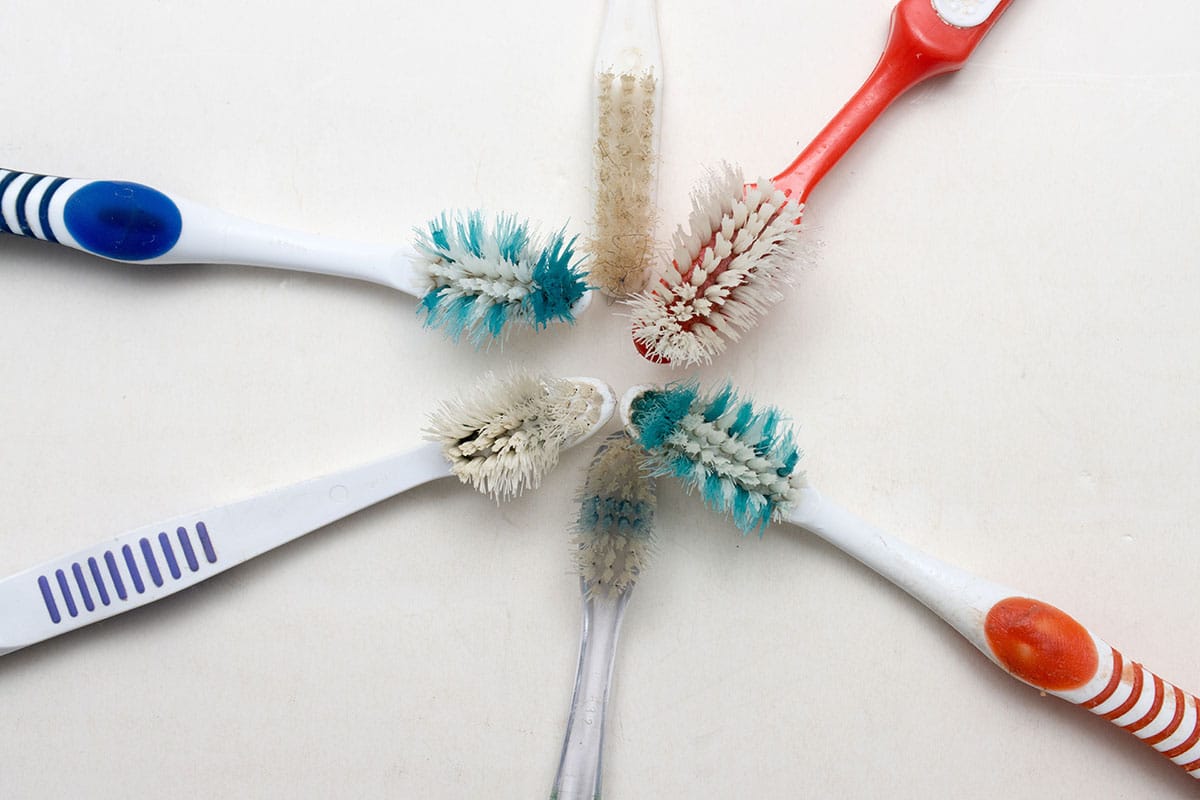
If the bristles are frayed, splayed, or discoloured, it’s time for a new toothbrush—even if it hasn’t been three months.
After an Illness
Replace your toothbrush immediately after recovering from an illness to prevent reintroducing bacteria or viruses into your body.
Hard Brushing Habits
Aggressive brushing can wear out bristles faster. If you notice wear within a month or two, switch to a soft-bristled brush and gentler brushing techniques.
Children’s Toothbrushes
Kids tend to chew on toothbrush bristles, causing them to wear out faster. Check children’s toothbrushes monthly and replace them as needed.
Compromised Immune System
People with weakened immune systems should replace their toothbrushes more frequently to minimize bacterial exposure.
How to Extend Your Toothbrush’s Life
Rinse Thoroughly After Each Use
Remove all toothpaste and debris under hot running water to keep the bristles clean. Dipping into a jar of rubbing alcohol can also help disinfect the brush head.
Store Upright and Air-Dry
Place the toothbrush upright in an open holder to allow proper drying. Avoid closed containers, which promote bacterial growth.
Avoid Sharing Toothbrushes
Sharing can transfer bacteria, viruses, and fungi, increasing the risk of infection.
Use Gentle Brushing Techniques
Avoid pressing too hard while brushing, as it can damage both your teeth and the bristles. Brushing too hard is also one of the main habits that can hurt your teeth and gums.
Electric vs. Manual Toothbrushes: Does Replacement Frequency Differ?
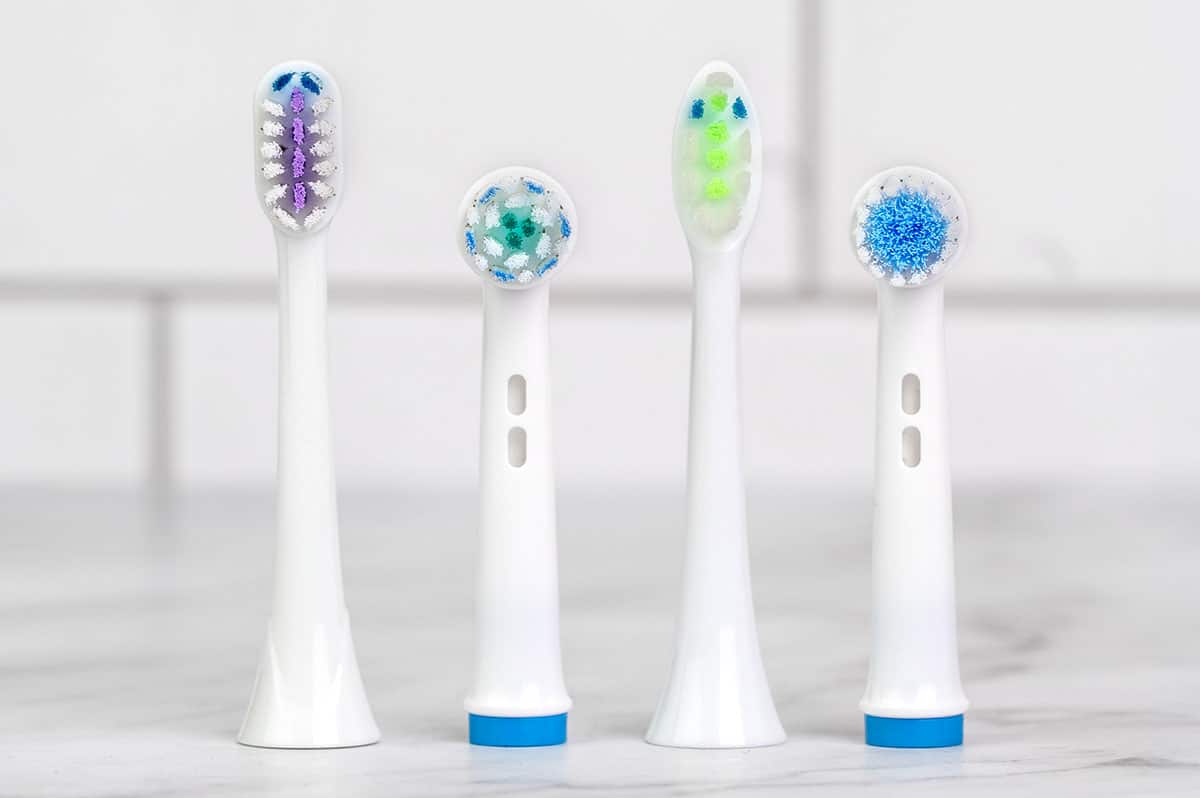
The recommendation to replace every 3-4 months applies to both manual toothbrushes and electric toothbrush heads. However:
Electric Toothbrush Heads: Tend to have softer, smaller bristles that may wear out faster, especially with frequent use.
Check the manufacturer’s guidelines for specific recommendations, but replacing every 3 months is a safe standard.
Signs It’s Time to Replace Your Toothbrush
- Bristles are bent, splayed, or frayed.
- The toothbrush looks discoloured or stained.
- You notice an unpleasant smell coming from the bristles.
- Your teeth don’t feel as clean after brushing.
- You’ve recently been sick.
Consequences of Using an Old Toothbrush
Ignoring the need to replace your toothbrush can lead to several oral health issues:
Increased Plaque and Tartar Buildup
Ineffective brushing leads to plaque accumulation, which hardens into tartar and causes gum disease.
Gum Inflammation and Bleeding
Old bristles can irritate gums, leading to gingivitis or worsening existing gum issues.
Tooth Decay
Inadequate cleaning leaves food particles and bacteria on teeth, increasing the risk of cavities.
Bad Breath
Residual bacteria on bristles can contribute to persistent bad breath.
How to Choose the Right Toothbrush
Soft-Bristled Brushes
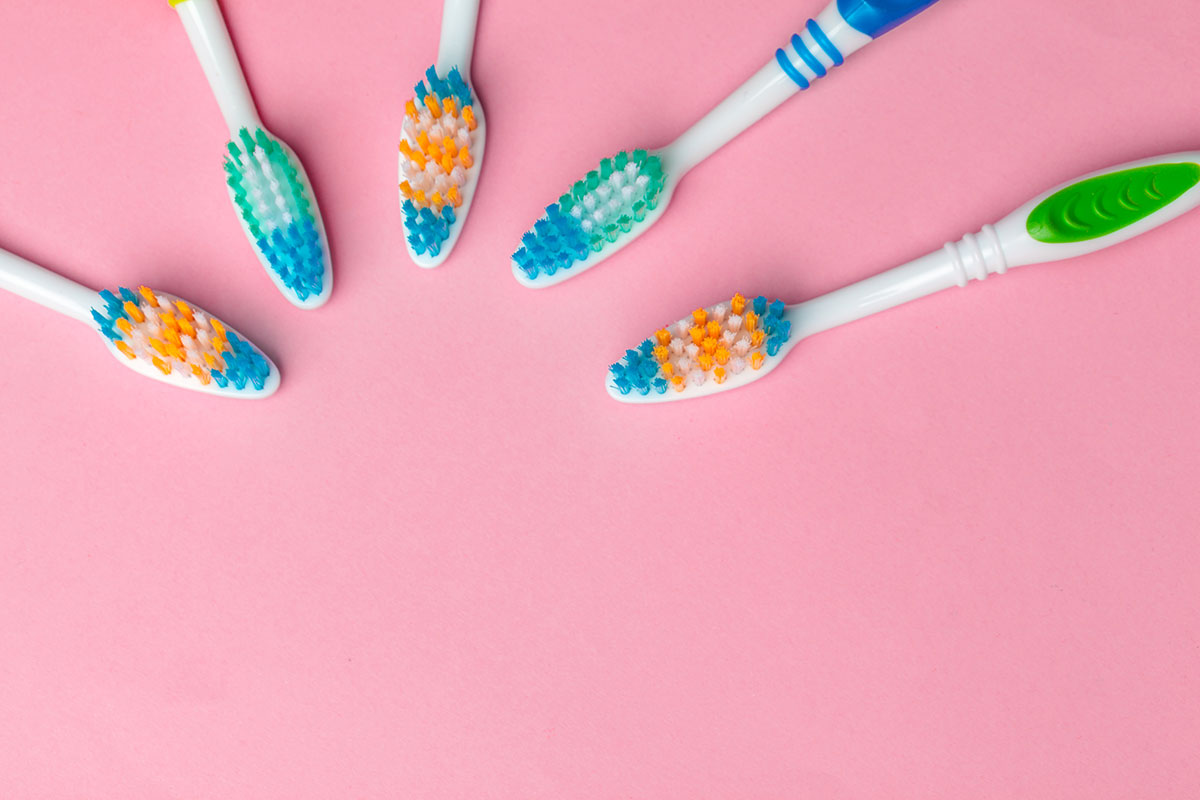
Most dentists recommend soft bristles to protect enamel and gums.
Size Matters
Choose a toothbrush head that fits comfortably in your mouth and can reach all areas.
Dentist and CDA Approval
Look for toothbrushes with the Canadian Dental Association (CDA) Seal of Acceptance for quality assurance.
Manual vs. Electric
Electric toothbrushes are often more effective for plaque removal, but either option works well with proper technique.
Key Tips for Optimal Oral Hygiene
- Brush your teeth twice daily for at least two minutes each time.
- Use fluoride toothpaste to strengthen enamel.
- Floss daily to clean between teeth where your toothbrush can’t reach.
- Rinse with an antibacterial mouthwash to reduce bacteria.
- Visit your dentist every 6 months for professional cleaning and checkups.
- Don’t be lazy about your oral health care.
Conclusion
How often should you replace your toothbrush? Frequent replacement is a small but crucial step in maintaining your oral health. While the general rule is every 3-4 months, personal habits, visible wear, or specific circumstances like illness may require more frequent changes. Keeping your toothbrush in good condition can ensure effective cleaning, prevent oral health issues, and enjoy a brighter, healthier smile. Don’t underestimate the power of a fresh toothbrush—it’s the foundation of a healthy dental routine!