

What Is Tooth Sensitivity?
Tooth sensitivity (also called dentin hypersensitivity) refers to discomfort or pain in one or more teeth in response to triggers like hot, cold, sweet, or acidic foods and drinks. It can also occur during brushing, flossing, or after dental treatments.
Common triggers include:
- Cold air or beverages
- Hot drinks or foods
- Sweet or acidic items
- Brushing or flossing
- Post-dental procedures (e.g., fillings, whitening)
Why Are My Teeth Sensitive?
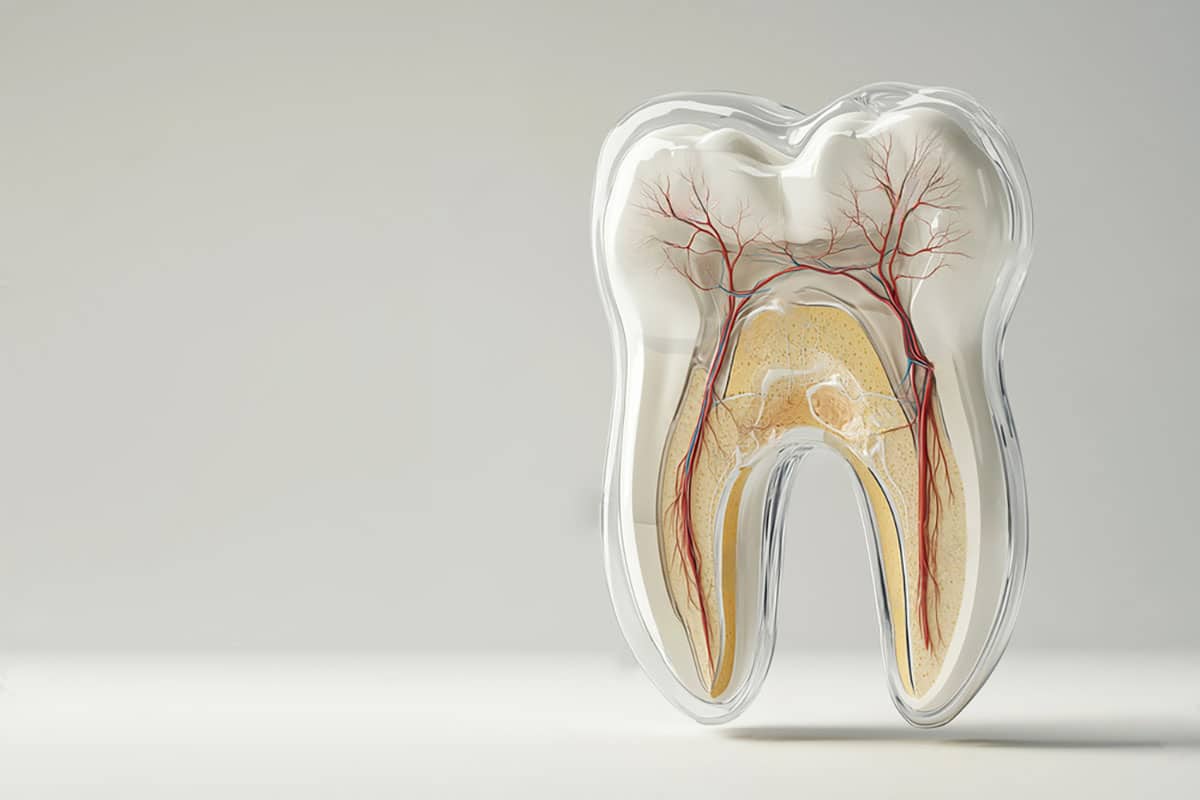
Tooth sensitivity occurs when the protective enamel layer is worn down or when gum recession exposes the root surface. This reveals the dentin — a porous layer that connects to the tooth’s nerve endings — which reacts painfully to temperature, pressure, and certain substances.
Common causes include:
- Enamel erosion from acidic foods, aggressive brushing, or grinding
- Gum recession exposing tooth roots
- Cracked or chipped teeth exposing inner layers
- Tooth decay or cavities
- Recent dental work like fillings, crowns, or cleanings
- Teeth whitening (temporary sensitivity)
- Bruxism (teeth grinding)
Enamel Erosion
The outer layer of your teeth — enamel — acts as a shield. But it’s vulnerable to erosion from acidic foods (like citrus or soda), acid reflux, or overbrushing with too much force or a hard-bristled brush. Once enamel thins, the underlying dentin becomes exposed, allowing external stimuli to trigger pain. This is a slow process, but it doesn’t grow back once enamel is gone, so early intervention is key.
Gum Recession
When the gums pull away from the teeth (often due to gum disease, aging, or rough brushing), they expose the more sensitive root surface. Unlike enamel-covered crowns, roots are protected only by a thin layer of cementum, not built for the same wear. This is a very common reason for sensitivity in adults over 40. A gum recession surgery may be a suitable treatment for severe cases.
Cracked or Chipped Teeth
Even tiny fractures in the tooth can expose the sensitive inner layers to external irritants. Chips may result from trauma, biting hard objects (like ice or pens), or grinding. A cracked tooth may also allow bacteria to enter, eventually leading to pulp inflammation, which amplifies sensitivity.
Tooth Decay or Cavities
As decay breaks through enamel and reaches the softer dentin, it opens a direct line to the nerves. Cavities can sometimes cause sensitivity before they’re visible, especially when triggered by sweets, cold, or brushing.
Recent Dental Work
It’s normal to experience some sensitivity after fillings, crowns, or deep cleanings. These procedures may temporarily irritate the tooth’s nerve. In most cases, this resolves within a few days to a couple of weeks, but if it persists, it could indicate a high bite, nerve trauma, or underlying decay.
Whitening Treatments
Professional or over-the-counter whitening products work by penetrating enamel to remove stains, but they can also temporarily affect the nerve endings in dentin. This side effect is usually short-lived and manageable with desensitizing toothpaste and spacing out treatments.
Bruxism (Teeth Grinding)
Clenching or grinding your teeth — especially at night — can wear away enamel and cause small cracks. Over time, this exposes the dentin and stresses the nerves. Many grind their teeth without realizing it, so sensitivity may be one of the first noticeable symptoms.
At-Home Relief for Tooth Sensitivity
Sensitivity doesn’t always require immediate dental treatment — in fact, many mild cases respond well to consistent changes in your at-home routine. The key is to reduce triggers that aggravate the nerves inside your teeth while supporting enamel strength and gum health. Whether you’re between dental visits or managing chronic sensitivity, these evidence-based strategies offer practical, affordable ways to keep discomfort in check, often with products you already have at home.
TIP: Relief may take a few weeks of consistent use. Avoid overbrushing — more pressure doesn’t mean more cleanliness.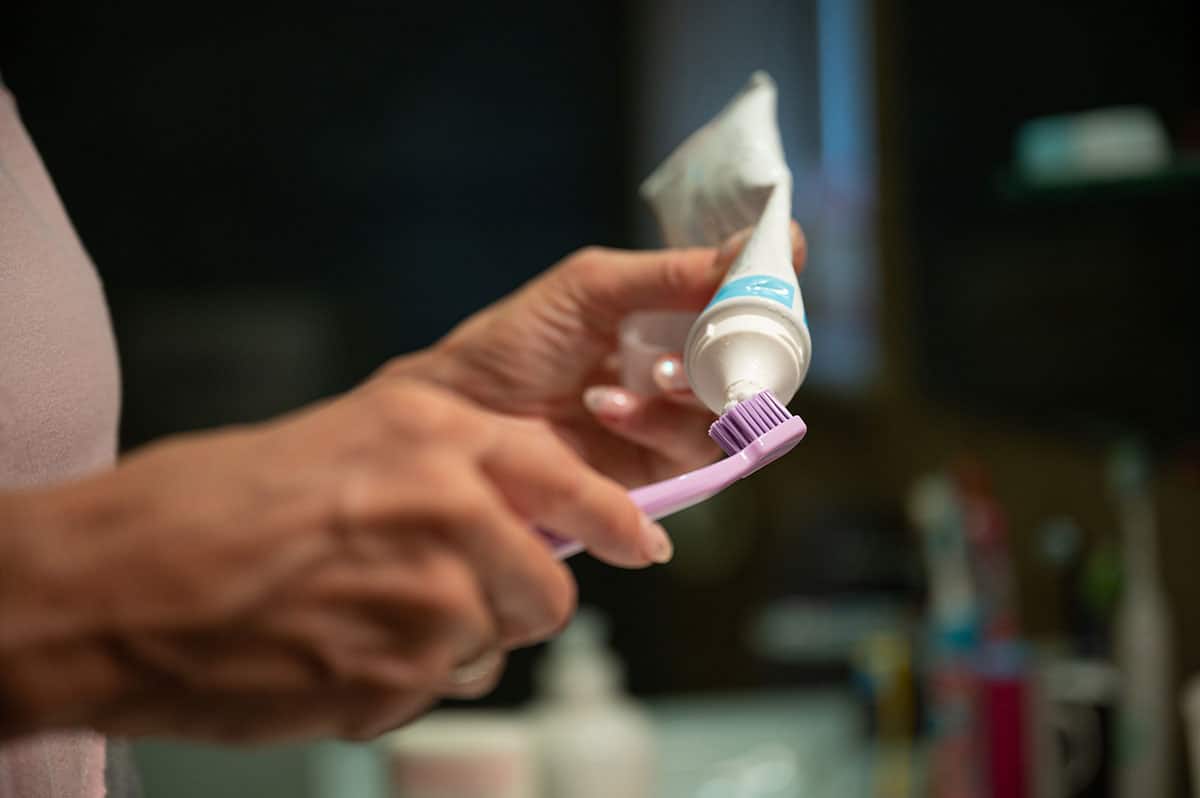
Sensitivity Toothpaste Can Make a Big Difference
Choose a toothpaste specifically formulated for sensitivity. These contain ingredients like potassium nitrate (which calms the nerve inside the tooth) or stannous fluoride (which strengthens enamel and blocks exposed tubules). With daily use, most people see relief in 1–2 weeks. Make sure to brush with it twice a day and avoid rinsing immediately after so the ingredients can do their job.
Use a Soft Bristled Brush and Go Easy
Overbrushing — especially with medium or stiff bristles — can wear down enamel and aggravate the gums, worsening sensitivity. A soft-bristled brush used with light pressure and gentle circular motions is ideal. Also, consider switching to an electric brush with a pressure sensor, which alerts you if you’re brushing too hard.
Take Your Oral Hygiene Seriously
Making sure to include brushing, flossing and rinsing into your daily oral care routine is vital for healthy teeth and gums, and avoiding tooth sensitivity.
Avoid acidic foods and drinks
Highly acidic items like citrus fruits, tomatoes, vinegar-based dressings, soda, wine, and sports drinks can soften enamel and trigger sensitivity. Limit these, especially between meals, and rinse with water afterward to neutralize acid. Using a straw for cold or acidic drinks can also help reduce contact with your teeth.
Rinse With a Fluoride Mouthwash
Fluoride strengthens weakened enamel and helps reduce tooth sensitivity over time. Opt for an over-the-counter fluoride rinse (alcohol-free if your gums are sensitive), and use it once daily — ideally at night after brushing. For more pronounced sensitivity, your dentist may recommend a prescription-strength version.
Desensitizing Gel or Varnishes Can Work For Bad Pain
Gels and topical products designed to provide fast-acting relief by blocking exposed dentin tubules are available in pharmacy oral care sections. Many can be applied directly to the affected area using a cotton swab or finger. Be sure to follow the product instructions and reapply as needed for ongoing protection.
If You Grind Your Teeth At Night, Wear a Bite Guard
Bruxism (teeth grinding) is a common — and often unconscious — cause of enamel wear and tooth sensitivity. Wearing a custom nightguard (from your dentist) or a boil-and-bite version from the drugstore can reduce pressure and protect enamel while you sleep. If you wake up with jaw pain or notice flattened or chipped teeth, this could be a crucial step
Avoid Stress
Easier said than done, but stress is a major factor in enamel deterioration when it leads to teeth grinding or clenching. Learning relaxation techniques is a great way to reduce stress and help protect yourself from tooth sensitivity.
Vitamin Deficiencies Can Weaken Your Enamel
Low levels of calcium or vitamin D can affect enamel health. A lack of B12 may also contribute to nerve-related oral symptoms. It’s important to remedy any problems asap, but we recommend consulting with your doctor or a nutritionist to ensure you increase your vitamin intake safely.
Steer Clear of Alcohol-based Mouthwash
Alcohol-based or acidic mouthwashes can irritate sensitive teeth, especially if used frequently. Instead, it’s better to choose an alcohol-free rinse that includes fluoride. Speak to your dentist about your options.
Don’t Take Teeth Whitening Lightly
Certain whitening agents or their concentration could worsen sensitivity, both temporarily and long-term. That’s one reason why professional teeth whitening treatments are preferred over take-home kits. Your dentist or hygienist will also determine if your enamel condition is suitable for whitening.
When to See Your Dentist

While many cases of tooth sensitivity can be managed at home, some situations indicate a deeper issue that requires professional attention. Rather than guessing or masking the symptoms, it’s important to identify and address the underlying cause of your sensitivity. A dentist can determine whether the issue is minor and reversible or needs restorative treatment to prevent long-term damage.
You should seek professional evaluation if:
- The pain is sharp, persistent, or worsening
- A specific tooth feels sensitive when chewing
- There’s visible damage or a dark spot
- Your sensitivity started after a dental procedure and hasn’t improved
What Sensitivity Treatment Options Does A Dentist Offer?
Based on your exam, your dentist can recommend targeted solutions to strengthen enamel, cover exposed dentin, or calm the tooth’s nerve response.