Martindale Dental

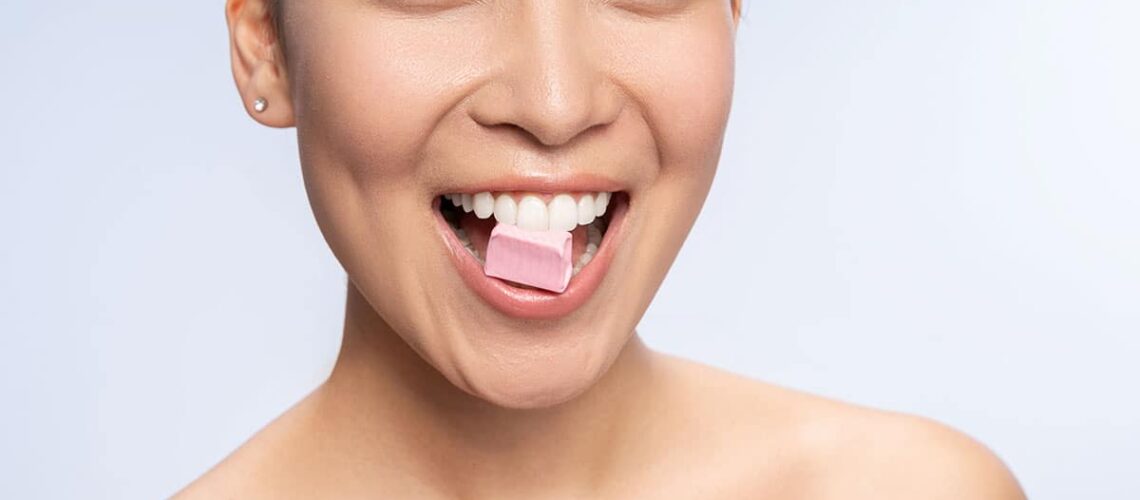
woman enjoys chewing her xylitol gum as a sugar substitute and oral health enhancer

Sugar Substitutes & Oral Health: What’s Safe, What’s Risky?

If you’ve ever stood in a grocery aisle wondering whether stevia, xylitol, erythritol, sucralose, or “monk fruit” is actually better for your teeth than sugar, you’re not alone. Patients ask me this every week, and the internet doesn’t always make it more straightforward. Some articles focus on cavities, others on controversial headlines (hello, erythritol), and almost none explain the real dental difference-maker: the acidity of what you drink, not just the sweetener itself.

Whether you wear braces, manage dry mouth, or just want a smarter sweet fix, consider this your dentist-written, no-judgment roadmap to what’s safe, what’s risky, and what genuinely helps your smile.

TL;DR

  • Free sugars (table sugar, honey, syrups, juice) feed cavity-causing bacteria; keep them low for fewer cavities.
  • Most sugar substitutes (xylitol, sorbitol, mannitol, sucralose, stevia, monk fruit) are non-cariogenic—they don’t feed cavity bacteria. 
  • Sugar-free gum (any non-cariogenic sweetener) helps by boosting saliva if chewed ~20 minutes after meals. Look for the CDA or ADA Seal. 
  • “Diet” does not equal enamel-safe: even sugar-free drinks can be acidic and erode enamel. 
  • Evidence for xylitol is mixed overall, but frequent, small doses (about 5–10 g/day split 3–5 times) show the most benefit in trials. Keep away from dogs, as xylitol is toxic to pets.
  • Emerging systemic signals: erythritol has been linked to higher cardiovascular risk in research cohorts; sucralose-6-acetate shows genotoxicity in vitro—contextualize while focusing on oral use. 
  • For sweetened drinks, the acidity matters more for teeth than the sweetener type. Rinse with water, enjoy with meals, and wait ~30 minutes before brushing. 

Table of Contents

Why sugar drives tooth decay

When you eat or drink free sugars (table sugar, honey, syrups, fruit juice), plaque bacteria throw a “fermentation party.” Their by-product is acid, and that acid pulls minerals (calcium/phosphate) out of enamel—this is demineralization. After 20–30 minutes, saliva and fluoride can tip things back toward remineralization, but if sugar keeps coming, the balance stays in the red and a cavity forms.

Quick mechanics that matter in real life:

  • Frequency beats quantity. Five small sugary hits are harder on teeth than one larger, single sitting—each snack triggers a new acid attack.
  • The critical pH. Enamel starts to dissolve around pH ~5.5 (root surfaces are even more vulnerable, ~6.2–6.8). Sugary foods and many drinks (including some “diet” or “healthy” options) can push plaque pH below that line.
  • Sticky vs sippy. Caramels, dried fruit, and starchy-sweet snacks cling to grooves and keep pH low longer. Sipping sweet drinks stretches the acid window; “grazing” is basically a day-long acid bath.
  • Saliva is your built-in mouthwash. It dilutes acids and brings minerals back. That’s why sugar-free gum after meals helps, especially if you’re dry-mouth prone.
  • Fluoride is the fixer. It hardens enamel crystals and makes them more acid-resistant, helping you recover from daily acid challenges.

Limit free sugars to <10% of daily energy (with extra benefit <5%), bunch sweets with meals instead of between, favour low-acid drinks, and let saliva plus fluoride handle repairs. That habit pattern changes your caries risk more than any single “best” sweetener.
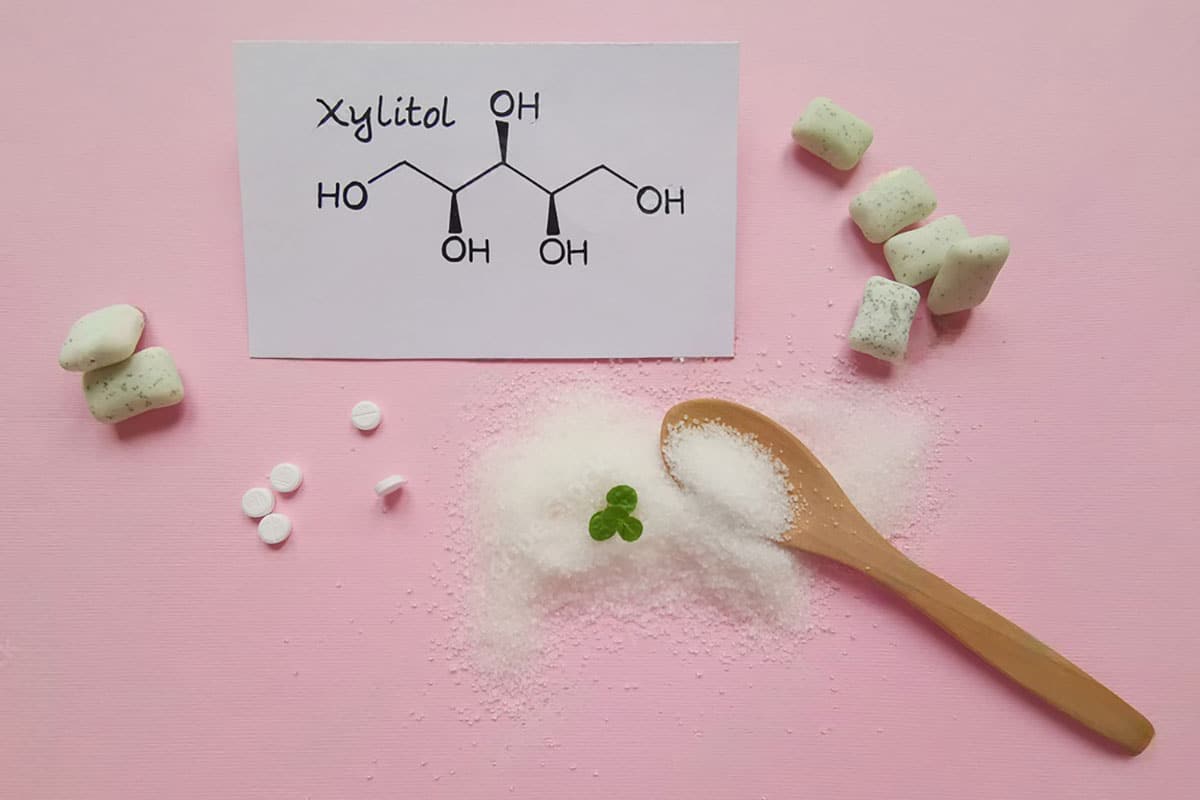
a sample, a wooden spoon and the chemical formula for one of the most popular sugar substitutes - xylitol

Types of sugar substitutes for teeth and what each one means for cavities & enamel

Sugar alcohols (polyols): xylitol, erythritol, sorbitol, mannitol

  • Dental profile: These are sweet but poorly fermented by plaque bacteria, so they’re considered non-cariogenic. Several reviews note plaque and caries benefits for xylitol and erythritol (with some studies favouring erythritol over sorbitol/xylitol for plaque outcomes).
  • Real-world caveat: At higher intakes, polyols can cause GI side effects (gas, bloating, laxation), especially in unaccustomed users or IBS.  Make sure you pay attention to the dose.

High-intensity sweeteners: sucralose, aspartame

  • Dental profile: Used in tiny amounts and generally non-cariogenic (they don’t drop plaque pH the way sugar does). Consumer dental resources and dental journals consistently frame sucralose as non-cariogenic.
  • Enamel note: If these sweeteners show up in acidic drinks, the pH of the beverage, not the sweetener, drives erosion risk. (We cover acidity later.)

Plant-derived non-sugar sweeteners: stevia (steviol glycosides), monk fruit (mogrosides)

  • Dental profile: Non-fermentable and widely described as non-cariogenic; lab and small clinical studies suggest stevia can inhibit biofilm formation and S. mutans activity, though large human dental trials are limited. 
  • Label tip: Many “monk fruit” packets are blends (often with erythritol); pure mogroside products exist, and monk fruit extract itself is GRAS with emerging (but still limited) oral-health literature. 

Most sugar substitutes don’t feed cavity bacteria; your bigger day-to-day enamel concern is the acidity of what you sip. Choose low-acid options, and if you use polyols, keep portions sensible to avoid GI upset.

Comparing The Best Sugar Substitutes

“Sugar-free” doesn’t automatically mean tooth-friendly. Most non-sugar sweeteners don’t feed cavity bacteria (so they’re non-cariogenic). However, your enamel also cares about acidity; a low-pH drink can still erode teeth, no matter which sweetener is inside. Use this side-by-side to pick smart swaps you can actually live with.

Sweetener Does it feed cavity bacteria? Common uses Health risks Dentist recommended? Scientific notes
Xylitol
No (non-cariogenic)
Sugar-free gum/mints, some toothpastes/mouthrinses, “keto” baking blends
GI upset at higher intakes; highly toxic to dogs (emergency if ingested).
Yes, with caveats. Great as gum/lozenges after meals to boost saliva; keep products away from pets.
Non-fermentable by S. mutans; frequent, small exposures (e.g., gum/lozenges) can reduce S. mutans counts. Evidence for caries reduction is mixed; modest additional benefit reported when ~10% xylitol is added to fluoride toothpaste (low-certainty).
Erythritol
No (non-cariogenic)
Sweetener blends (often with stevia/monk fruit), “zero sugar” drinks, low-carb snacks
Research links higher blood levels/intake with increased thrombosis/MACE risk (association ≠ causation); consider moderation of large dietary loads, especially if CVD risk.
Usually, in moderation. Fine in oral-topical formats (gum/mints). If you consume a lot, consider cutting back.
Non-cariogenic; small molecule rapidly absorbed and largely excreted unchanged. Some trials show plaque/acidogenicity advantages over sorbitol; separate cohort/mechanistic research links higher circulating erythritol to thrombosis/MACE signals (association, not proof of harm).
Sorbitol
No (slowly fermentable with very frequent exposure)
Sugar-free gum/mints, “diet” candies, some oral-care products
Laxation/bloating at higher intakes; plaque can adapt with constant grazing.
Yes. Useful in sugar-free gum mainly for saliva stimulation; pair with fluoride for prevention.
Poorly fermentable but plaque can adapt with very frequent exposure (slow fermentation possible). Main dental benefit in gum is via saliva stimulation rather than direct antibacterial action.
Mannitol
No (non-cariogenic)
Sugar-free gums/mints, specialty foods
GI upset if large amounts (like other polyols)
Yes. Neutral, tooth-friendly swap; less clinical data than xylitol/sorbitol.
Non-cariogenic polyol with limited dental-specific trial data; behaves similarly to sorbitol with low acid production and potential laxation at high doses.
Sucralose
No (non-cariogenic)
Diet sodas/flavored waters, tabletop drops, protein powders
2023 research flagged sucralose-6-acetate (an impurity/metabolite) as genotoxic in vitro/animals; real-world dental impact unclear. Enamel risk in drinks is from acids, not sucralose itself.
Yes, with context. Reasonable choice—prefer low-acid beverages.
High-intensity sweetener not metabolized by oral bacteria; does not lower plaque pH like sugar. A sucralose impurity/metabolite (sucralose-6-acetate) shows in-vitro genotoxicity in some studies; dental relevance remains unclear.
Aspartame
No (non-cariogenic)
Diet sodas, sugar-free gums, “light” yogurts
Possibly carcinogenic in higher doses (see scientific notes)
Yes, with context. Acceptable within ADI; again, watch beverage acidity.
Non-cariogenic; used in very small amounts so little substrate for plaque. Classified by IARC as Group 2B (“possible carcinogen”), while JECFA/WHO retained an ADI (40 mg/kg/day); not an enamel risk by itself—drink acidity is the driver. Contraindicated in PKU.
Stevia (steviol glycosides)
Likely no (non-cariogenic; early anti-biofilm signals)
Table-top packets/drops, “natural” sodas, bars; often blended with erythritol for bulk
Occasional mild GI effects; check labels—many products are stevia + erythritol blends.
Yes. Good sugar swap; choose low-acid carriers if it’s a drink.
Not fermented by common cariogenic bacteria; in-vitro and small human studies suggest reduced S. mutans adhesion/biofilm via glucosyltransferase effects. Human dental outcomes data are still limited.
Monk fruit (mogrosides)
Likely no (treated as non-cariogenic)
Table-top sweeteners; commonly sold as monk-fruit + erythritol blends
Generally well tolerated; if avoiding erythritol, pick pure extract products.
Yes. Tooth-friendly; verify if it’s a blend on the label.
High-intensity, non-fermentable sweeteners; very limited dental-specific human evidence. Many retail products are blends (often with erythritol), so effects may reflect the blend rather than mogrosides alone.

How to read this like a dentist (and make better choices tomorrow)

  • Cariogenic vs erosive: If a sweetener doesn’t feed bacteria, cavities are less likely—but enamel can still erode if you sip acidic drinks all day.
  • Frequency beats quantity: Five tiny “sweet hits” across the day are tougher on teeth than one with a meal—each hit triggers another acid cycle.
  • Gum is low-effort, high-yield: Sugar-free gum (xylitol or sorbitol/erythritol) for ~20 minutes after meals boosts saliva—the easiest daily win.
  • Xylitol sweet spot: Aim for small, frequent exposures if you want the extra caries benefit; treat it as topical/oral rather than a big dietary load—and keep it away from dogs.
  • Label reality check: “Monk fruit” and “stevia” often come blended (erythritol is common). If you’re trying to minimize polyols, look for pure extracts.
  • Bigger picture: You’ll protect enamel most by keeping free sugars low, choosing low-acid drinks, spacing sweets with meals, and using fluoride toothpaste—then let your sweetener choice be the supporting actor, not the star.

image of soda cans lined up on the shelf

Diet soda does not mean tooth-friendly (even when it’s “sugar-free”)

Sugar-free doesn’t automatically mean smile-safe. Most diet sodas, energy drinks, and a lot of flavoured seltzers are pretty acidic, and that acid can soften your enamel. Once enamel is softened, everyday brushing or clenching can wear it down more quickly, leading to issues like tooth sensitivity. The problem isn’t the sweetener—it’s the low pH from carbonation and added acids like citric or phosphoric acid.

What’s going on in your mouth

  • Acid dip: When a drink is sour/low pH, minerals get pulled out of enamel (it’s like a tiny “etch” each sip).
  • Bounce-back time: Saliva slowly brings minerals back—but constant sipping keeps resetting the clock.
  • How to keep enjoying fizz without punishing your teeth
  • Have it with meals. Food helps buffer acids.
  • Sip and finish, don’t nurse. A 10–15 minute window is kinder than a can that lasts all afternoon.
  • Rinse, then wait. Swish water after you’re done and wait ~30 minutes before brushing.
  • Use a straw & don’t swish. Less contact with teeth = less trouble.
  • Keep it cold. You’ll usually drink it faster (less “acid time” on teeth).
  • Chew sugar-free gum after. A few minutes of chewing boosts saliva and speeds recovery.
  • If you grind, protect. A night guard helps softened enamel survive clenching.

Friendlier swaps (still tasty)

  • Plain sparkling water (no added acids) or still water with mint or cucumber.
  • Coffee or tea with a splash of milk (raises pH and adds minerals).
  • Flavoured waters that don’t list citric/phosphoric/malic acid near the top.

Label hints to watch out for

  • Words like citric acid, phosphoric acid, malic acid, “fruit acids,” or super tart flavours usually mean lower pH.

Bottom line

Enjoy your diet drink, treat it like a treat: keep it to mealtimes, don’t linger, rinse with water, and wait a bit before brushing. Day to day, it’s the acids, not the sweetener, that decide whether a drink is friendly to your enamel.

Quick buyer’s guide

Not sure what to toss in the cart? Here are some simple shopping and usage rules so you’ll know what to look for on labels, and how to make it work for your teeth.

For gum

  • Look for the CDA or ADA Seal on the package (brands like Trident or Orbit often carry it).
  • Chew a piece for about 20 minutes after meals to boost saliva, which helps neutralize acids and bring minerals back to enamel.
  • If you’re aiming for extra cavity protection, choose xylitol-sweetened gum or mints and use them a few times per day.

For drinks

  • “Diet” or “sugar-free” does not guarantee enamel safety—acidity is the real issue.
  • Friendlier picks: plain or lightly flavoured still water, unflavored sparkling water, milk or fortified alternatives, coffee/tea with a splash of milk.
  • Be cautious with labels that list citric, phosphoric, or malic acid near the top, or anything marketed as extra “zesty,” “sour,” or “energy.”
  • If you do have an acidic drink: enjoy it with meals, don’t sip all day, rinse with water after, and wait ~30 minutes before brushing.

For reading labels 

  • If you want the xylitol “bonus,” aim for about 5–10 grams per day, divided into 3–5 small uses (e.g., gum or lozenges after meals and snacks).
  • Check the grams of xylitol per serving so you know how many pieces add up to your daily target.
  • Think small-and-often, not one big dose.

Who should be extra cautious?

Most people can use sugar substitutes without overthinking it, but a few groups should take an extra beat before choosing. If you have heart risk, little kids at home, dry mouth, or a dog that investigates everything, this section highlights the tweaks that keep teeth (and loved ones) safer.

High cardiovascular risk

  • If you have heart disease, clotting risks, or multiple cardiovascular risk factors, consider limiting heavy daily use of erythritol-based sweeteners for now. Using small amounts of gum or mints is a lower-exposure option.

Parents of young kids

  • Gum and lozenges can be choking hazards. Ask your dentist about age-appropriate choices and consider alternatives like xylitol tooth gels or supervised, child-safe products.

Dry mouth (xerostomia)

  • Sugar-free gum or lozenges are a simple win—saliva is your mouth’s natural buffer and mineral delivery system.
  • Keep water handy, use a humidifier at night if needed, and talk to your dentist about fluoride varnishes, high-fluoride toothpaste, or xylitol products that fit your routine.

Pet owners

  • Keep all xylitol items out of reach, including personal-care products and “sugar-free” foods.
  • Let family members, babysitters, and pet sitters know about the risk so nothing gets offered to a dog by mistake.

Frequently Asked Questions About Artifical Sweeteners

No. Most are non-cariogenic, meaning they don’t feed cavity bacteria. Enamel damage from drinks is usually about acidity (low pH), not the sweetener.

Yes—when used regularly. Chewing xylitol gum after meals increases saliva flow, which neutralizes acids and brings calcium/phosphate back to enamel. Frequent, small exposures to xylitol (gum/lozenges) may also reduce levels of cavity-causing S. mutans.

Neither feeds cavity bacteria.

  • Xylitol has more evidence for frequent small uses (gum/lozenges) tied to modest cavity-risk reduction.
  • Erythritol is also tooth-friendly and commonly appears in blends (with stevia/monk fruit).

If your goal is dental benefit from topical exposure, xylitol gum/lozenges used several times daily has the best track record. If you’re consuming large daily amounts of erythritol as a sugar replacement, consider moderating and prioritize low-acid carriers.

It can. Even without sugar, many sodas, energy drinks, and “sour” flavoured seltzers are acidic enough to soften enamel.

  • Braces: Sugar-free gum (if your orthodontist allows) helps saliva; avoid sticky, acidic “sour” candies.
  • Dry mouth: Xylitol or sorbitol gum/lozenges to stimulate saliva; keep water handy.
  • Diabetes: Any non-cariogenic option works—focus more on low-acid choices and overall nutrition.

Aim for ~5–10 g/day, split into 3–5 small uses (e.g., gum or lozenges after meals).

Pick one with the CDA or ADA Seal and check the xylitol grams per piece. Many effective routines use ~0.7–1 g per piece, chewed 3–5 times daily to hit your 5–10 g/day target.

Gum usually wins for saliva stimulation. Lozenges are great when you can’t chew gum (dentures, TMJ, workplace rules). Choose non-acidic flavours.

Fluoride does the heavy lifting. Adding xylitol may give a small extra benefit. If budget is tight, prioritize a fluoride toothpaste you’ll use twice daily; xylitol is a nice bonus.

Either is fine. If choosing, xylitol may add a slight edge. More important: pick alcohol-free, non-acidic formulas you’ll actually use.

Yes. Stevia doesn’t feed cavity bacteria. Just avoid sour/citrus-flavored drinks that can trigger sensitivity by lowering pH.

Go for non-acidic, sugar-free options: plain water or milk; yogurt without added acids; a small xylitol gum after lunch if age-appropriate and allowed. Avoid sour drinks and sticky sweets.

Not by themselves. Dark colorants (cola, tea, colored lozenges) cause staining—especially around brackets. Rinse with water and keep up brushing.

Yes. They work well together. Follow your dentist’s timing after varnish; otherwise, xylitol gum after meals is a simple daily add-on.

Check us out on Facebook and Twitter for daily information about Oral Health from Martindale Dental, or visit our offices in Hamilton and St. Catharines.

Have more questions?

Please contact us for all inquiries or to book an appointment with one of our convenient clinic locations.  We look forward to hearing from you.