
Should You Get Teeth Whitening Before Restorative Treatments?
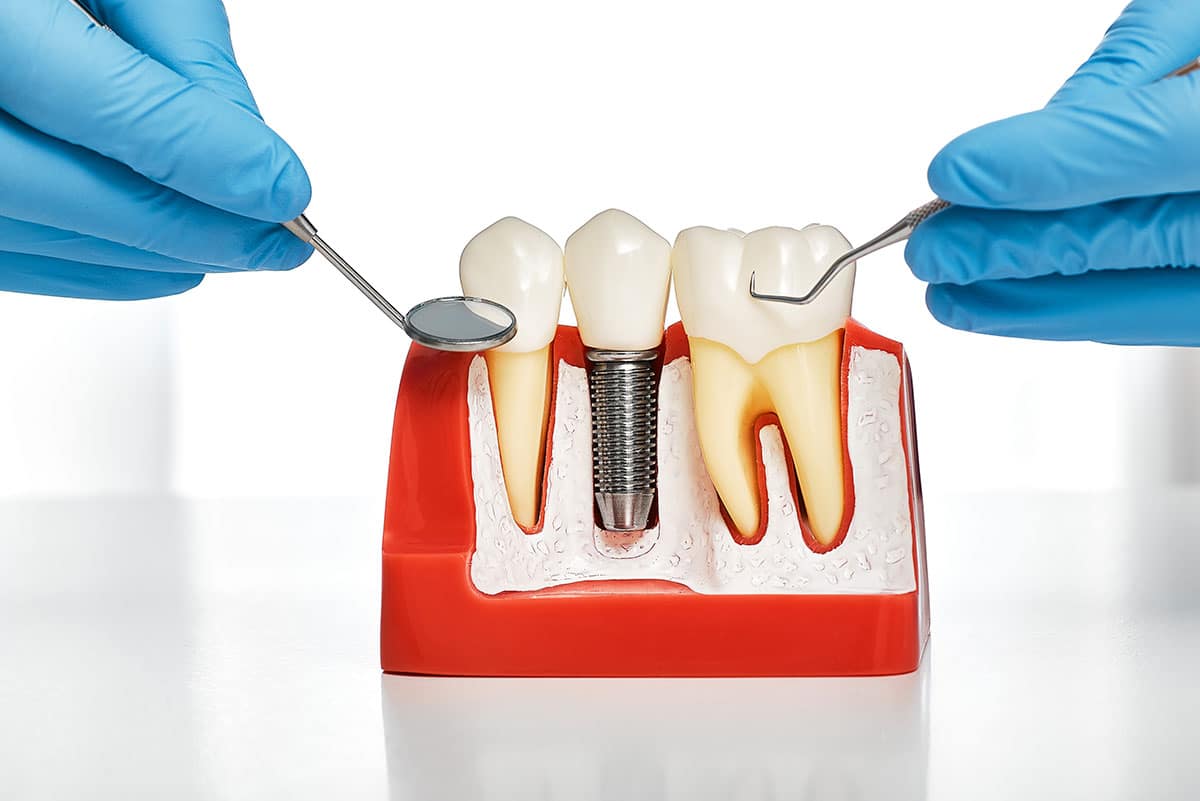
When you’re planning cosmetic or restorative work — such as veneers, crowns, bonding, or implants — most dentists recommend whitening before any of these procedures begin.
This sequence ensures that your new restorations are crafted to match your ideal final tooth shade, not your pre-whitening colour. Since restorative materials (porcelain, composite, zirconia) can’t be bleached later, whitening first gives you control over your long-term aesthetic outcome.
Why Whitening First Is the Gold Standard
1. Better Shade Matching
Whitening before treatment lets your dentist match new restorations to the brighter, stable shade of your natural enamel.
If you whiten after restorations are made, you risk creating a visible contrast — your natural teeth become lighter, but the crowns, veneers, or bonding remain the same shade. This mismatch can be especially noticeable on front teeth under natural light.
2. Uniform, Natural-Looking Results
By brightening your natural enamel first, your dentist can create restorations that blend seamlessly with your overall smile. The result looks even and natural — not patchy or “two-tone.”
3. Cost-Effective and Future-Proof
Redoing crowns or veneers to match newly whitened teeth can be expensive and time-consuming. Whitening first prevents this.
Plus, it’s easier and cheaper to “touch up” whitening later than to replace restorative materials.
4. Long-Term Smile Planning
Think of whitening as the foundation of your cosmetic plan. Your final restorations will be colour-matched to that lighter base.
Over time, if your natural enamel dulls slightly, touch-up whitening can refresh it — while the restorations maintain their original brilliance.
Recommended Waiting Period After Whitening
After completing your whitening treatment, your dentist will usually recommend waiting 10–14 days before finalizing or bonding any new restorations.
This short pause may seem minor, but it’s scientifically important for two reasons:
Colour Stabilization
Immediately after bleaching, teeth are temporarily dehydrated — this makes them appear slightly lighter than they’ll look once moisture returns.
Waiting two weeks allows the colour to “settle,” so your dentist can match the restorations to your true, stable shade instead of an artificially brightened one.
Optimal Bonding Strength
Residual oxygen from peroxide can temporarily reduce the bond strength of resin adhesives to enamel.
By waiting 1–2 weeks, the oxygen fully dissipates, ensuring maximum bonding strength and preventing potential microleakage or debonding issues down the line.
Studies have shown that delaying bonding for at least 7–14 days after whitening significantly improves resin bond integrity and colour accuracy compared to immediate placement.
Best Teeth Whitening Method Before Restorations
If you’re planning major cosmetic work, in-office whitening is often the best route.
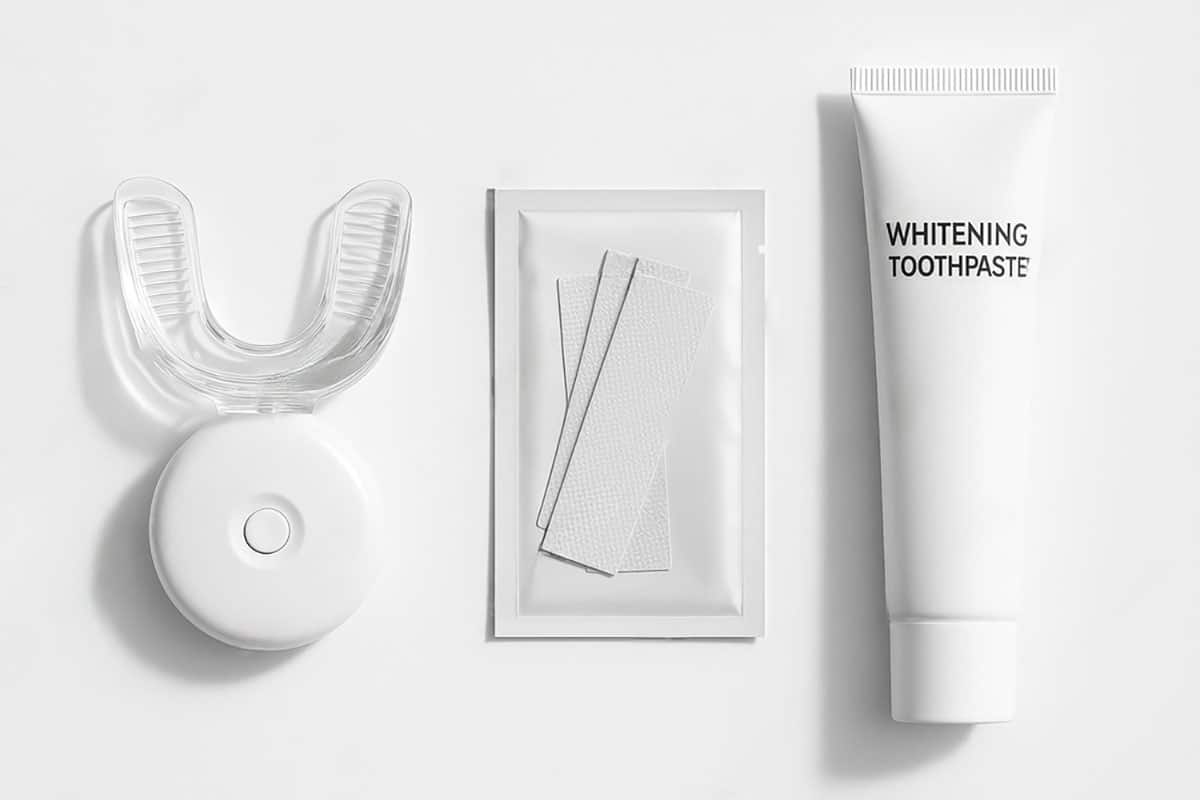
While over-the-counter strips and take-home trays can lighten enamel gradually, professional whitening provides faster, more consistent, and precisely measurable results, which are crucial for shade-matching restorations.
Why In-Office Whitening Is Preferred
Controlled Strength & Speed: In-office gels contain higher concentrations of peroxide (often 25–40%), allowing dramatic whitening in just one or two visits.
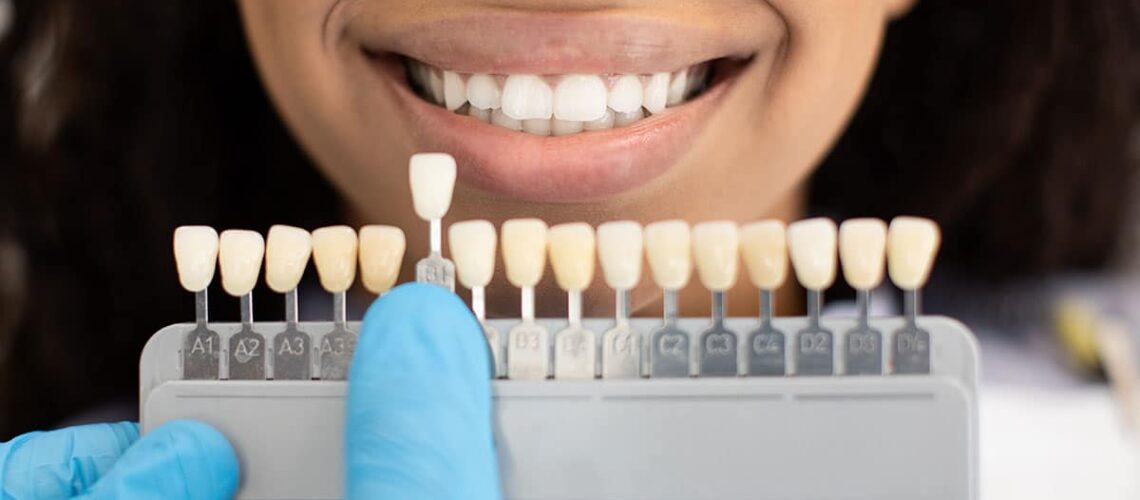
Real-Time Monitoring: Your dentist can measure shade changes with a professional shade guide or digital spectrophotometer, ensuring you reach — but don’t overshoot — your target brightness.
Even Colour, Less Risk: Custom isolation techniques protect gums and soft tissue, reducing irritation or uneven bleaching.
Predictable Shade Stability: Results tend to stabilize more quickly, minimizing post-whitening colour rebound before shade matching.
At-home whitening (custom trays, strips, or pens) can be effective too, especially for maintenance or minor brightening, but it’s less predictable for precise pre-restoration shade planning.
Whitening Teeth After Restorative Treatments
Sometimes, whitening before treatment isn’t possible.
Maybe you already have existing restorations, need urgent dental work, or want to freshen your smile years after crowns or veneers were placed. Whitening afterward is still possible, but careful planning and realistic expectations matter.
What Happens If You Whiten After Restorations
- Natural enamel will lighten, while crowns, veneers, or bonding will not.
- This can leave your smile uneven — lighter teeth beside darker restorations, especially in the front (“two-tone smile” effect).
- The greater your whitening results, the more noticeable the difference becomes.
Options If You Already Have Restorations
If you whiten after dental work, your dentist can help you achieve balance with a customized plan:
- Whiten first, then replace mismatched restorations in visible areas to match your new shade.
- If restorations are mostly posterior (back teeth), the mismatch may be minimal and not require replacement.
- Composite bonding or veneers can be redone afterward for perfect shade harmony.
- Some patients choose to gradually whiten over multiple sessions, allowing the dentist to track changes and decide when to replace restorations for the best match. This staged approach ensures your smile remains even, bright, and natural.
When to Whiten After Dental Work
If you’ve just had fillings, bonding, or crowns placed, don’t start whitening right away.
It’s best to wait at least two weeks before beginning any bleaching treatment.
This allows:
- Tooth and gum tissues to recover from mild irritation or sensitivity caused by recent procedures.
- Cements, adhesives, or resins to fully cure, ensuring they aren’t weakened by peroxide exposure.
- Shade evaluation to remain accurate, since early whitening can alter perception before the new restorations have settled.
Your dentist will evaluate your specific case and may recommend a slightly longer wait if your gums are healing or if multiple restorations were done at once.
Real World Example Scenario
A patient plans veneers on the top six front teeth.
If whitening is done after veneers are placed, the surrounding teeth lighten — but the veneers stay their original shade, appearing darker and less uniform.
If whitening is done first, the dentist can create veneers that perfectly match the new bright tone.
The result is a cohesive, natural smile without redo costs.
Whitening Before Fillings or Bonding
Whitening before small restorations follows the same principle used for veneers or crowns — but with a few extra technical considerations.
Composite bonding and white fillings rely on microscopic colour blending with your natural enamel. Each resin shade is hand-selected and layered to mimic tooth translucency. When whitening is done afterward, those carefully matched areas stay the original colour, making even subtle differences more visible — especially around the edges of front teeth or along the gumline.
If you’re planning to refresh older fillings or cosmetic bonding, completing your whitening first ensures the dentist can match the new material to the stable post-whitening shade of your enamel.
Your dentist will usually recommend:
- Whitening first, using either in-office or supervised take-home methods.
- Waiting roughly two weeks for the enamel to rehydrate fully and return to its natural shade.
- Re-evaluating your shade under natural and operatory lighting before selecting resin colours.
During this time, your dentist may also smooth, polish, or slightly adjust existing fillings so the transition to the new lighter shade is seamless.
This order avoids the need to redo restorations later and maintains a single, harmonious colour throughout your smile.
Why Professional Oversight Matters
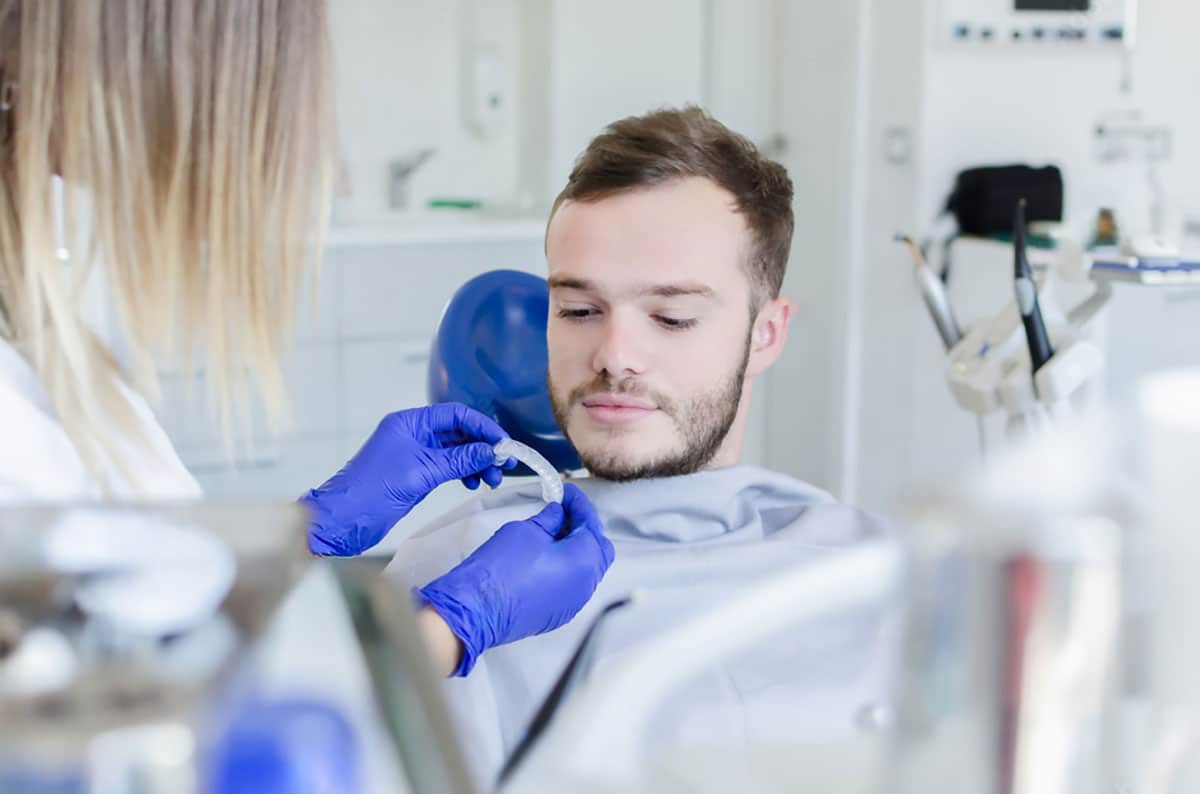
Whitening may seem like a simple cosmetic upgrade, but once restorative materials are involved, it becomes a precision-based procedure that benefits significantly from professional supervision.
Every patient’s smile is different, and not just in colour, but in the materials, thickness, and translucency of existing restorations. Your dentist evaluates these factors before any whitening treatment to avoid unwanted contrast, sensitivity, or bonding complications later on.
Professional oversight allows your dentist to:
- Assess the condition of existing restorations by identifying which crowns, veneers, or fillings are visible when you smile and whether they’re likely to appear darker after whitening.
- Evaluate enamel health and sensitivity to ensure your teeth can tolerate whitening safely without irritation or surface dehydration.
- Select the right whitening strength and duration that’s customized to your tooth shade, goals, and upcoming dental work.
- Coordinate timing with the lab or restoration plan so shade selection, fabrication, and cementation all happen after the whitening shade has stabilized.
- Record your final tooth colour using calibrated shade guides or digital scanners to ensure perfect colour consistency, especially if restorations need to be replaced later.
This guided approach not only helps achieve a balanced, natural result, but it also protects your restorations from unnecessary replacement and ensures adhesive materials perform as intended.
In short, a professional teeth whitening transforms a cosmetic treatment into a strategic step in your overall smile design plan.
What We Recommend
For most patients, the sequence is clear: whiten first, restore second.
That single step can save significant time, cost, and potential frustration later.
Before starting any whitening routine, including over-the-counter strips or trays, consult your dentist first. A short conversation and customized plan can make the difference between a temporary cosmetic improvement and a truly cohesive, lasting smile.