
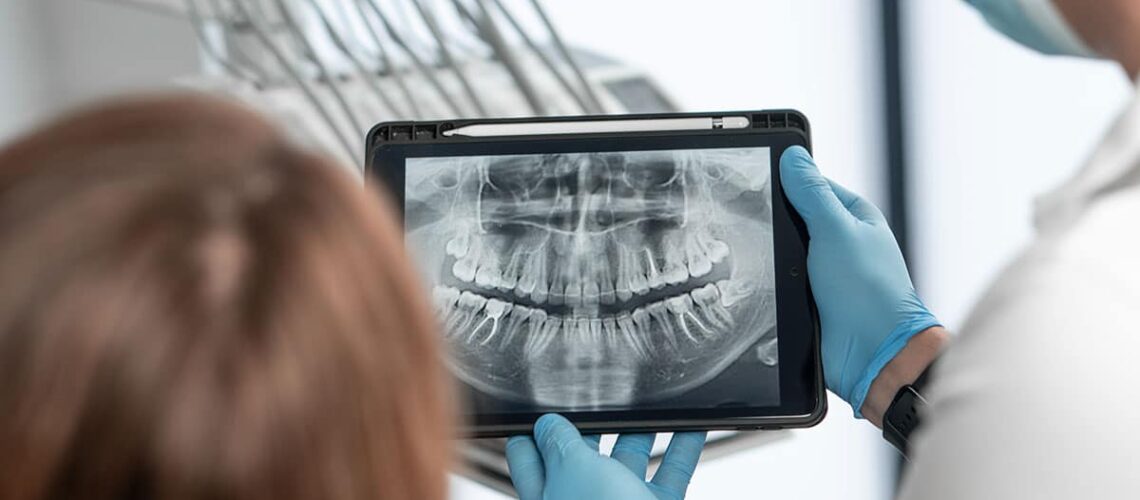
dentist is going over dental x-rays with a patient who asked how often should i get dental x-rays

How Often Should I Get Dental X-Rays? Safety Facts & Patient Tips

How often should I get dental X-rays? If you aren’t sure, you’re not alone. Many patients ask whether they really need X-rays at every appointment or if less frequent imaging is just as effective. The answer depends on your age, oral health history, and risk for issues like cavities or gum disease. In this guide, we’ll explain how often you should have dental X-rays according to Canadian Dental Association (CDA) guidelines, explore the safety of modern digital imaging, and share tips to minimize exposure while still getting the preventive care your smile needs.

Table of Contents

Quick Answer

For most healthy adults with no signs of dental problems, dental X-rays are typically recommended every 1–2 years. Children, teenagers, and patients at higher risk for cavities, gum disease, or other oral health issues may need them more frequently, sometimes every 6–12 months. Your dentist will determine the proper schedule based on your age, dental history, current oral health status, and specific risk factors, rather than following a rigid, one-size-fits-all timeline. This personalized approach helps catch problems early while minimizing unnecessary radiation exposure.

Why Dental X-Ray Frequency Matters

Dental X-rays (radiographs) allow your dentist to see what’s happening beneath the surface, between teeth, under gums, and inside the jawbone. They reveal problems early, often before you feel pain or see visible signs. This includes:

  • Decay hidden between teeth or under old fillings
  • Early gum disease and bone loss
  • Infections or abscesses
  • Root or jaw abnormalities
  • Developmental issues in children’s teeth

By catching these issues early, your dentist can treat them with less invasive, more affordable procedures — and in some cases, prevent tooth loss entirely.

Types of Dental X-Rays & Typical Uses

Dentists use several types of dental X-rays, each capturing the mouth from different angles to reveal issues invisible to the naked eye. The type and frequency depend on your age, oral health, and risk factors, ensuring you get the right images at the right time while keeping radiation exposure as low as possible.

Type What It Shows Common Frequency Best For
Bitewing X-rays
Captures the upper and lower back teeth together in one image, focusing on the crowns. Detects decay between teeth, monitors bone levels, and checks fit of fillings or crowns.
Every 12–24 months for low-risk adults; every 6–12 months for children or high-risk patients.
Early cavity detection and tracking gum health.
Periapical X-rays
Shows the entire tooth, from crown to root tip, including surrounding bone. Useful for identifying abscesses, root issues, and severe decay.
As needed when diagnosing pain, swelling, or localized problems.
Pinpointing the cause of tooth pain or monitoring root health.
Panoramic X-rays
A single wide image of the entire mouth, including all teeth, both jaws, temporomandibular joints (TMJ), and sinuses.
Every 3–5 years or as recommended.
Assessing jaw alignment, impacted teeth, or planning orthodontics, implants, or oral surgery.
Occlusal X-rays
Displays the full arch of upper or lower teeth. Often used in pediatric dentistry to track tooth development.
As needed for monitoring growth.
Detecting extra teeth, unerupted teeth, or jaw fractures.
CBCT (Cone Beam CT)
Produces a highly detailed 3D scan of teeth, bone, and soft tissues. Used for precision planning in surgery or implant placement.
Only for complex cases; not part of routine exams.
Implant planning, root canal mapping, and diagnosing complex jaw issues.

*For most patients, bitewings and occasional panoramic X-rays form the backbone of preventive dental imaging, while other types are ordered only for specific concerns.

How Often Should You Have Dental X-Rays? (ADA & CDA Guidelines)

The American Dental Association (ADA) and Canadian Dental Association (CDA) agree: there’s no one-size-fits-all schedule for dental X-rays. Instead, your dentist should follow a patient-specific, risk-based approach, meaning the timing depends on your age, oral health history, and current risk of disease. X-rays should never be taken “just because it’s your checkup day,” but rather when they will provide helpful information for diagnosis or treatment planning.

Patient Type Recommended Frequency * Why It Matters
Children
Every 6–12 months if they have a history of cavities; up to 24 months if low risk
Children’s enamel is thinner and decay progresses faster. X-rays also monitor tooth development and jaw growth.
Teens
Every 6–18 months for high-risk; every 24–36 months for low risk
Helps track the eruption of molars and wisdom teeth, and catches decay early during high-cavity years.
Healthy Adults
Every 24–36 months
Used for preventive monitoring, ensuring early detection of hidden decay or bone changes.
High-Risk Adults
Every 6–18 months
Includes patients with gum disease, dry mouth (xerostomia), many fillings, or a history of frequent cavities.
Seniors
Every 12–24 months or as needed
Age-related changes such as root decay, bone loss, or failing dental work require closer watch.

*Based on ADA/CDA guidelines — your actual schedule should be determined after a clinical exam by your dentist.

Factors That Influence X-Ray Frequency

How often you should have dental X-rays depends on more than just your age. Dentists weigh several factors before recommending them:

Oral Health History

Frequent cavities, past root canals, or extensive dental work can mean more frequent imaging is needed to monitor for recurring issues.

Current Risk of Decay or Gum Disease

Patients with active gum disease, heavy tartar buildup, or enamel erosion benefit from closer monitoring to prevent tooth loss.

Diet and Lifestyle Habits

High sugar intake, smoking, or inconsistent oral hygiene increases cavity risk, often warranting shorter intervals between X-rays.

Dry Mouth (Xerostomia)

Caused by certain medications, medical conditions, or aging, reduced saliva means less natural cavity protection, requiring more frequent checks.

Tooth Development Stage

Children and teens need more frequent X-rays to track growth, eruption patterns, and jaw development.

Symptoms or Concerns

Pain, swelling, or unexplained changes in your mouth can prompt an immediate X-ray to locate the problem.

Type of Dental Work Present

Crowns, bridges, implants, and fillings can hide or trap decay underneath, making periodic imaging essential.

Previous Imaging Results

If earlier X-rays showed problem areas to watch, follow-up images may be needed sooner than the general guidelines suggest.

Radiation Dose & Safety

Dental X-rays expose you to very low levels of radiation, and advances in digital technology have made them even safer. To put this into perspective:

  • Bitewing X-ray: ~5–9 µSv (microsieverts)
  • Panoramic X-ray: ~24 µSv
  • Daily background radiation (from the sun, soil, and air): ~8–10 µSv per day
  • Flying cross-country: ~35–40 µSv

In other words, a full set of bitewings gives you less radiation than a short airplane flight and far less than the natural radiation you’re exposed to each year.
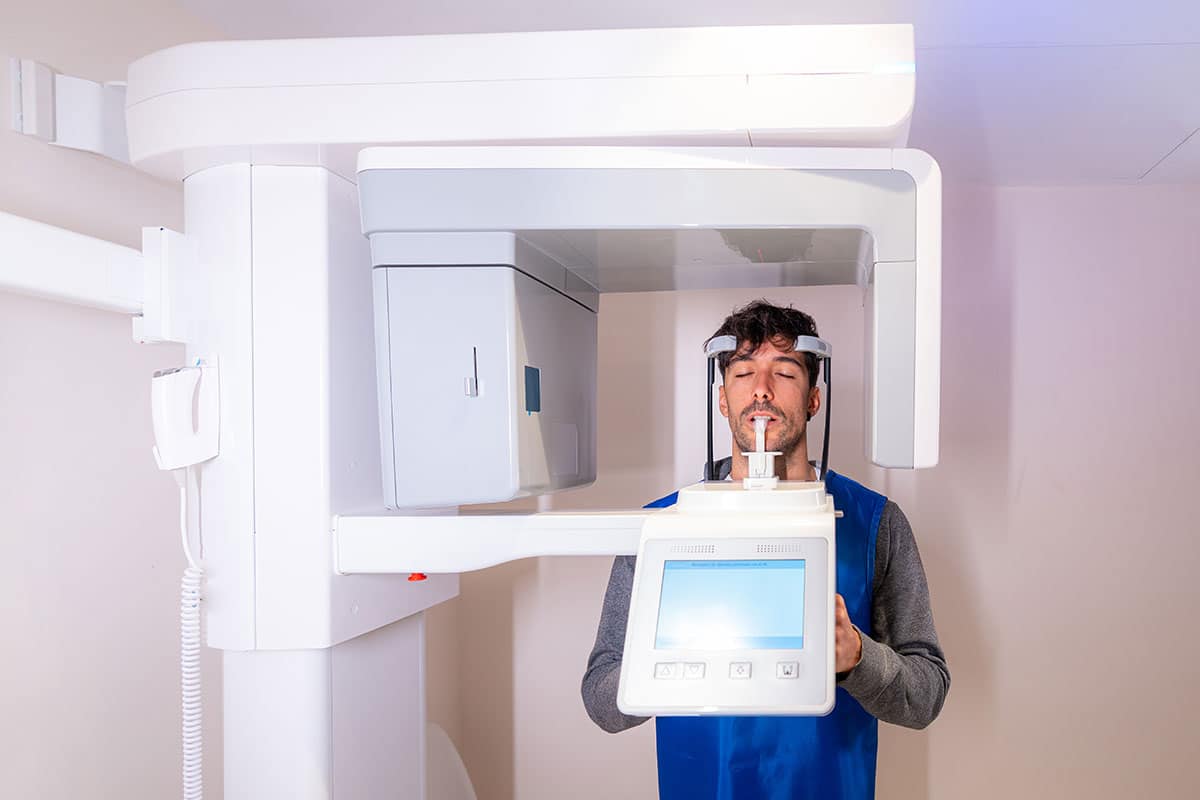
man having his dental imaging done with a modern dental x-ray machine

Why Modern Dental X-Rays Are Safer Than Ever

Most dental practices now follow the ALARA principle, “As Low As Reasonably Achievable,” which means your exposure is kept to the minimum needed for accurate diagnosis. Safety measures include:

  • Digital Sensors – These reduce radiation by 80–90% compared to older film-based systems, while producing sharper images for better diagnosis.
  • Lead Aprons & Thyroid Collars – These protective shields block stray radiation from reaching sensitive organs.
  • Targeted Imaging – Instead of taking a full-mouth series every time, dentists capture only the necessary views to address your current needs.
  • Trained Staff & Calibrated Equipment – Machines are regularly maintained and operated by trained dental professionals to ensure optimal safety.

Special Considerations

  • Pregnancy – While dental X-rays are generally considered safe with proper shielding, most dentists will postpone non-urgent imaging until after pregnancy unless it’s an emergency.
  • Children – Pediatric dentists use the smallest possible dose for growing patients, and only when the benefits outweigh any risk.

The radiation risk from dental X-rays is minimal, and the potential health benefits — catching cavities, infections, or bone loss early — greatly outweigh that risk when X-rays are used appropriately.

Safety Checklist for Patients

While dental X-rays are generally safe, it’s smart to take an active role in your care. Before agreeing to an X-ray, ask your dentist:

Why is this X-ray needed today?

Understanding the specific purpose helps you know if it’s being done for diagnosis, monitoring, or treatment planning.

Will it change my treatment plan?

If the X-ray results won’t affect your care, you may be able to delay it until it’s truly necessary.

Can you use my recent X-rays from another office?

Sharing previous images can help avoid unnecessary repeat radiation exposure.

Are you using digital sensors?

Digital X-rays typically reduce radiation by 80–90% compared to traditional film.

Will I have a lead apron & thyroid collar?

These simple protective measures shield sensitive areas from scatter radiation and should always be available.

No. Dental X-rays are completely painless. You may feel mild discomfort from holding the sensor or film in your mouth, but the imaging itself is not felt.


A single bitewing or periapical X-ray usually takes less than a minute. A full-mouth series or panoramic X-ray may take 5–10 minutes.


Yes. There’s no fasting required. However, brushing before your appointment helps your dentist get a clearer view.

They are generally avoided during pregnancy unless absolutely necessary. If needed, protective shielding and targeted imaging are used to minimize exposure.


Your dentist can still perform a visual exam, but they may not be able to detect hidden problems like cavities between teeth or bone loss.


They can sometimes reveal suspicious bone changes or lesions, but oral cancer screening involves a visual and physical exam in addition to imaging.

Yes. They are one of the best ways to detect decay that has developed under existing fillings or crowns.


Most dental insurance plans cover routine X-rays on a set schedule (e.g., once a year for bitewings, every 3–5 years for full-mouth). Check your policy for details.


If you have no natural teeth, routine dental X-rays are usually unnecessary unless your dentist needs to check jawbone health or implant sites.


Yes. Upper tooth X-rays can sometimes show sinus infections or changes, especially in panoramic or CBCT scans.


Explain in simple terms that it’s like “taking a picture of your teeth” and reassure them it won’t hurt. Practice holding still at home.


Some types of X-rays can show jaw joint structure, but more detailed imaging like CBCT or MRI may be needed for TMJ diagnosis.


Typically every 1–3 years during your late teens and early twenties, or more often if they’re causing symptoms.


X-rays don’t “expire,” but your dentist may request updated ones if your last set is older than the recommended guideline for your risk level.

Check us out on Facebook and Twitter for daily information about Oral Health from Martindale Dental, or visit our offices in Hamilton and St. Catharines.

Have more questions?

Please contact us for all inquiries or to book an appointment with one of our convenient clinic locations.  We look forward to hearing from you.