

Why Nutrition Matters in Dental Milestone Development
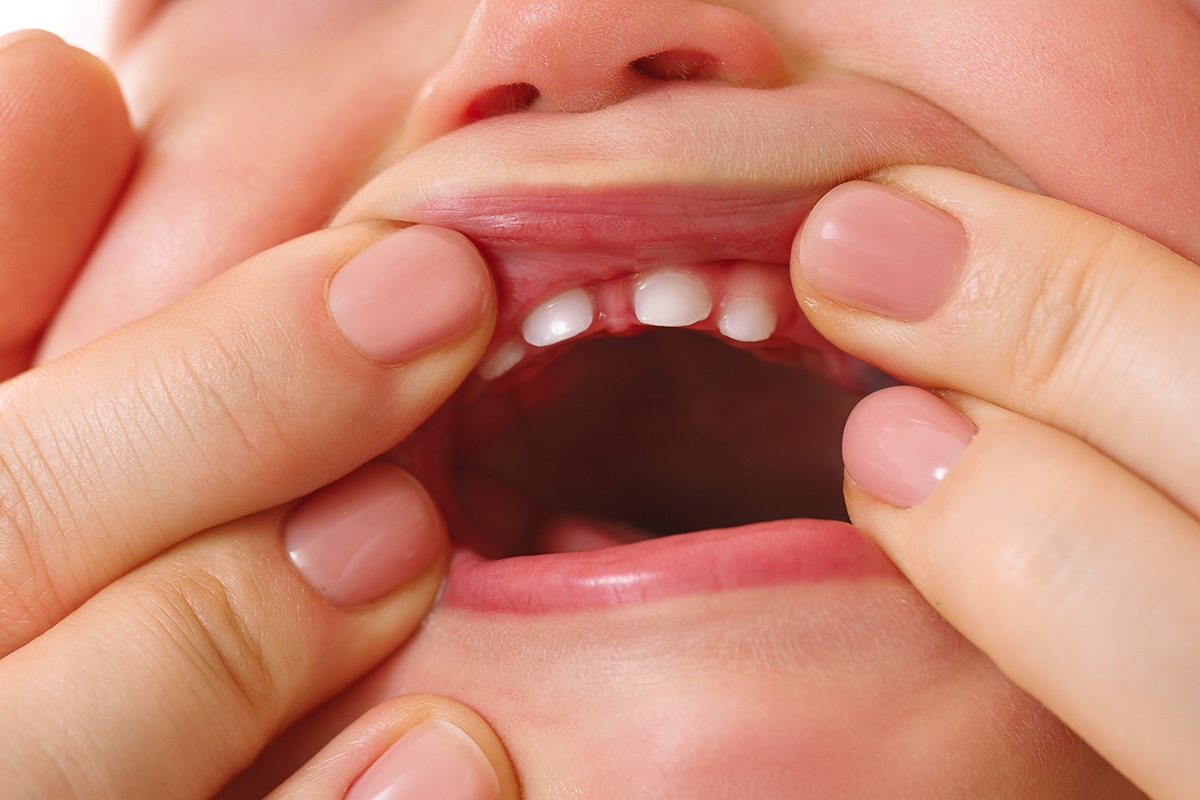
When it comes to your child’s oral health, nutrition for tooth development is just as important as brushing and flossing. Long before the first baby tooth appears, nutrients begin shaping the foundation for healthy teeth, gums, and jaw structure. In fact, many dental milestones, such as the timing of tooth eruption, the strength of enamel, and the development of the jaw, are directly influenced by what your child eats from infancy through adolescence.
Here’s how nutrition supports every stage of dental development:
Tooth Formation & Eruption Timing
Specific vitamins and minerals, particularly calcium and vitamin D, are crucial for developing strong teeth and bones. These nutrients begin supporting dental growth even in the womb. If a child is deficient in these building blocks during critical growth periods, it can result in:
- Delayed eruption of primary or permanent teeth
- Weaker or underdeveloped enamel
- Poor jawbone density or formation
Studies from the American Academy of Pediatric Dentistry and MDPI suggest that vitamin D insufficiency in early childhood may lead to delays in both primary and secondary tooth eruption. Likewise, children with low dietary calcium may develop fragile enamel that’s prone to chipping or decay.
Enamel Strength & Cavity Resistance
Enamel is the protective outer layer of each tooth, but it needs the right fuel to form and remain strong. A balanced diet rich in essential minerals (like calcium, phosphorus, and magnesium) helps:
- Create thick, hard enamel that resists bacterial acids
- Reduce the risk of early childhood caries (ECC)
- Improve the mouth’s ability to repair early signs of decay (remineralization)
On the other hand, diets high in free sugars, especially those found in processed snacks and sugary beverages, disrupt the enamel-forming process, leaving teeth more susceptible to damage. Excess sugar feeds harmful oral bacteria, leading to acid attacks that weaken enamel even before teeth are fully erupted.
Healthy Jaw & Gum Development
It’s not just teeth that depend on nutrition—your child’s gums, jawbone, and surrounding tissues rely on a steady supply of vitamins and minerals to grow correctly. Key nutrients include:
- Phosphorus – Works with calcium to mineralize the jaw and teeth
- Vitamin C – Supports collagen production, strengthening gum tissue and reducing inflammation
- Magnesium – Aids in bone density and enamel formation
- Protein – Critical for overall tissue repair, oral muscle development, and saliva production
When a child’s diet lacks these nutrients, it may result in poor gum attachment, a narrow or underdeveloped jaw, or misalignment of incoming teeth.
Tip: A deficiency in any of these nutrients during early development can delay eruption or lead to weaker enamel.
How Poor Diet Can Harm Dental Development

A child’s diet doesn’t just affect their overall health—it directly shapes how their teeth grow, erupt, and resist decay. Unfortunately, modern eating habits often expose developing teeth to too much sugar and acid, leading to long-term oral health problems.
One of the most critical but overlooked consequences is dental erosion in children—the gradual wearing away of tooth enamel caused by acidic foods and drinks. Combined with high sugar intake, this can disrupt key dental milestones and contribute to lasting issues with tooth strength, alignment, and eruption timing.
Excessive Sugar Intake
Sugar is a primary culprit behind many childhood dental issues. When sugary snacks, juices, or processed foods are consumed frequently, they feed cavity-causing bacteria that thrive in the mouth.
These bacteria produce acids that:
- Attack tooth enamel, leading to enamel demineralization
- Cause early childhood caries (ECC)—a form of rapid decay in young children
- Disrupt the normal timing and sequence of tooth eruption
- Weaken forming teeth, increasing the risk of fractures or malformation
Research has shown that children with diets high in refined sugars are more likely to experience delays in molar eruption and greater susceptibility to decay, even with regular brushing.
Sticky sweets like gummies, fruit snacks, and chewy candies are especially harmful, as they cling to teeth and extend sugar exposure time.
Frequent Acidic Drink Consumption
Even drinks marketed as “healthy,” such as 100% fruit juice or flavoured waters, can lower the pH in the mouth and trigger dental erosion in children. This condition occurs when acids soften the enamel, making it more prone to wear and decay.
Common culprits include:
- Fruit juices (orange, apple, grape)
- Carbonated soft drinks (including diet sodas)
- Sports drinks and flavoured waters
Consequences of frequent acidic drink consumption:
- Enamel erosion before teeth have fully hardened
- Increased sensitivity and risk of decay in newly erupted teeth
- Disruption in the natural eruption timeline due to early loss of baby teeth
- Higher risk of orthodontic complications due to uneven eruption
Our pediatric dentists confirm the growing concern around dental erosion in children tied to diet.
Tip for parents:
Avoid offering juice or milk in sippy cups between meals or at bedtime. This prolongs exposure to sugars and acids. Instead:
- Offer plain water after meals and snacks
- Encourage the use of open cups by 12–18 months
- Brush your child’s teeth twice daily with fluoride toothpaste
- Keep sugary or acidic treats limited to mealtimes, when saliva flow helps neutralize acids
By reducing sugar and acid exposure in your child’s daily diet, you’ll not only protect their developing teeth but you’ll also help them stay on track with critical dental milestones like timely eruption, strong enamel formation, and healthy jaw growth.
Diet Tips by Age Group

Children’s nutritional needs change rapidly as they grow, and so do their dental milestones. Supporting oral health through every stage of development means offering the right foods at the right time. Choosing the best foods for kids’ dental health not only promotes strong tooth formation and eruption but also helps prevent cavities, enamel wear, and delays in jaw development.
Below is a breakdown of age-specific dietary recommendations designed to promote a healthy smile from babyhood through the teen years.
Infants (0–12 Months)
Even before the first tooth appears, nutrition plays a vital role in oral development.
- Breast milk or infant formula supplies essential fats, calcium, and vitamin D—critical for early jaw and tooth bud development.
- Avoid bottles at bedtime (especially with milk or juice). Prolonged exposure to sugars can cause baby bottle tooth decay.
- When starting solids, choose iron-rich purees like peas, lentils, spinach, and meats, which support both systemic and dental health.
- Introduce a small amount of fluoridated water around 6 months if recommended by your pediatrician.
Tip: Use a damp cloth to gently wipe baby’s gums after feedings to reduce bacteria buildup before teeth emerge.
Toddlers (1–3 Years)
This is a crucial stage for introducing the textures and habits that support strong oral structures.
- Offer crunchy foods like cucumber sticks, apple slices, or bell peppers. These stimulate jaw growth and strengthen oral muscles.
- Limit sugary snacks and drinks to mealtimes only. Offer water between meals to protect enamel and rinse sugars away.
- Begin transitioning to open cups instead of sippy cups to reduce prolonged exposure to sugar and improve muscle coordination.
- Continue offering calcium-rich foods like cheese, yogurt, or fortified plant-based options.
Best Foods for Kids’ Dental Health at This Stage: Hard cheeses, soft-cooked veggies, hard-boiled eggs, and unsweetened yogurt.
Preschoolers (3–6 Years)
At this age, permanent teeth begin to form beneath the gums, setting the foundation for future dental health.
- Ensure daily intake of calcium, phosphorus, and vitamin D through dairy, lean meats, fortified cereals, and greens.
- Swap sticky sweets (e.g., fruit leather, gummies) for whole fruits and crunchy vegetables, which naturally clean teeth.
- Serve tooth-friendly snacks like cheese cubes, almonds (if safe), carrot sticks, or plain yogurt.
- Watch for hidden sugars in snack bars, flavored yogurts, and juices labeled as “natural.”
Dental Tip: Offer treats immediately after meals when saliva production is at its highest to help neutralize acids.
School-Age Children (6–12 Years)
This stage includes the eruption of first molars and most permanent incisors—critical times for enamel protection and alignment support.
- Choose high-protein, crunchy snacks like trail mix (age-appropriate), turkey roll-ups, and raw veggie sticks to strengthen jaw muscles.
- Avoid packing ultra-processed lunch items high in sugar, like granola bars and flavoured milks.
- Encourage hydration with fluoridated tap water, primarily during school hours, to support natural enamel remineralization.
- Boost intake of magnesium and vitamin C, both of which support gum health and connective tissue.
Lunchbox Swap Ideas: Replace fruit snacks with orange slices, sweetened yogurt with plain yogurt + berries, or chips with roasted chickpeas.
Teens (13–18 Years)
Teenagers may appear to have “grown-up” teeth, but their mouths are still developing, particularly in areas such as wisdom teeth and jawbones.
- Emphasize bone-strengthening foods: leafy greens, dairy, tofu, lean meats, and calcium-fortified plant milks.
- Educate about the risks of energy drinks and sodas, which are high in acid and sugar and can lead to dental erosion in teens.
- Maintain good nutrition habits during orthodontic treatment—soft, healthy foods like smoothies, scrambled eggs, or soup are easier to manage with braces.
- Ensure continued vitamin A and C intake to support gum health, especially during periods of hormonal fluctuation.
Important Reminder: One can of soda can contain up to 10 teaspoons of sugar and significantly lower oral pH, which can weaken enamel.
Is There a Link Between Nutrition & Delayed Dental Milestones?

Yes, emerging research strongly supports the link between nutrition and the timing of dental milestones, particularly in cases of delayed tooth eruption.
Proper tooth development depends on a steady supply of essential nutrients during infancy and childhood, when a child’s diet is lacking—whether due to undernutrition, selective eating, medical conditions, or even childhood obesity—dental milestones can be significantly affected.
How Poor Nutrition Can Delay Dental Development:
- Delayed tooth eruption: Deficiencies in calcium, vitamin D, and protein can cause baby or adult teeth to emerge later than expected.
- Weak enamel and higher cavity risk: Low intake of nutrients like phosphorus, magnesium, and vitamin C weakens enamel, leaving teeth vulnerable to decay as soon as they erupt.
- Impaired jaw and gum development: Poor nutrition affects the growth of bone and soft tissue in the face and mouth, leading to misaligned bites or underdeveloped jaws.
According to pediatric dentistry studies, delayed tooth eruption and nutrition issues are especially prevalent in children with restricted diets, chronic illnesses, or poor access to balanced meals.
What to Do if Your Child’s Teeth Are Delayed
If you notice that your child’s baby teeth or adult teeth are not coming in on time, or if they are developing cavities quickly despite good brushing habits, it could be a sign of nutritional imbalance.
Here’s what to do:
Schedule an appointment with a pediatric dentist
They can assess eruption patterns, check enamel strength, and screen for potential causes beyond oral hygiene. Learn more about our own Family Dentistry programs here.
Consult a registered dietitian
A pediatric dietitian can evaluate your child’s nutritional intake and create a food plan that supports both general and dental development.
Watch for other signs of deficiency, like fatigue, slow growth, or frequent illness—these may also indicate that diet is affecting overall health, not just teeth.
Diet is just as important as brushing when it comes to your child’s dental milestones. Maintaining a balanced diet supports healthy teeth, a strong jaw, and timely development from the inside out.