
When someone hears, “This tooth might need to come out,” the reaction is almost always the same. A pause. A deep breath. Sometimes a quiet “ugh.”
Pain, money, fear of losing a tooth, and wondering if extraction is the best option. It all hits at once.
Here’s the part most people don’t realize: dentists don’t rush to pull teeth. Extraction is rarely the first choice. Most of the time, the conversation starts with two simple questions:
“Can this tooth be saved instead of pulled?” and more importantly, “Can this tooth be saved in a way that actually holds up?”
Because fixing a tooth just to watch it fail again six months later doesn’t help anyone.
Luckily, in many cases, teeth can be saved. Even ones that look bad on X-rays or feel terrible can often be saved with the right treatment plan. But dentists don’t make that call casually. They look at restorability, long-term prognosis, and patient-specific factors before recommending whether to save a tooth or extract it.
This article walks through how that decision is actually made, why root canal vs extraction isn’t always a simple choice, and the real signs a tooth may be beyond saving.
Table of Contents
Quick Answer: Can a Tooth Be Saved Instead of Pulled?
Often, yes. A tooth can frequently be saved with treatments like:
- a filling or crown
- root canal therapy or root canal retreatment
- crown lengthening when decay or cracks sit near the gumline
- gum treatment if bone or gums are part of the problem (periodontal treatment)
- in certain cases, apicoectomy (minor surgery at the root tip)
That said, extraction is sometimes the better long-term choice. This usually happens when a tooth can’t be predictably restored, has a severe fracture, or doesn’t have enough bone support to last.
The goal isn’t to keep every tooth at all costs. The goal is to avoid repeat failures, infections, and frustration down the road.
The Dentist Decision Framework: How Dentists Decide to Save vs Extract
When dentists weigh the pros and cons of saving versus extracting, they almost always consider three key factors.
1. Can the tooth actually be rebuilt?
2. If we fix it, how long will it last?
3. Does the plan make sense for you?
Think of it like a “savability scorecard.” If one area fails badly enough, extraction starts to make more sense.
1) Restorability: Is There Enough Tooth Left to Work With?
This is the first and biggest hurdle.
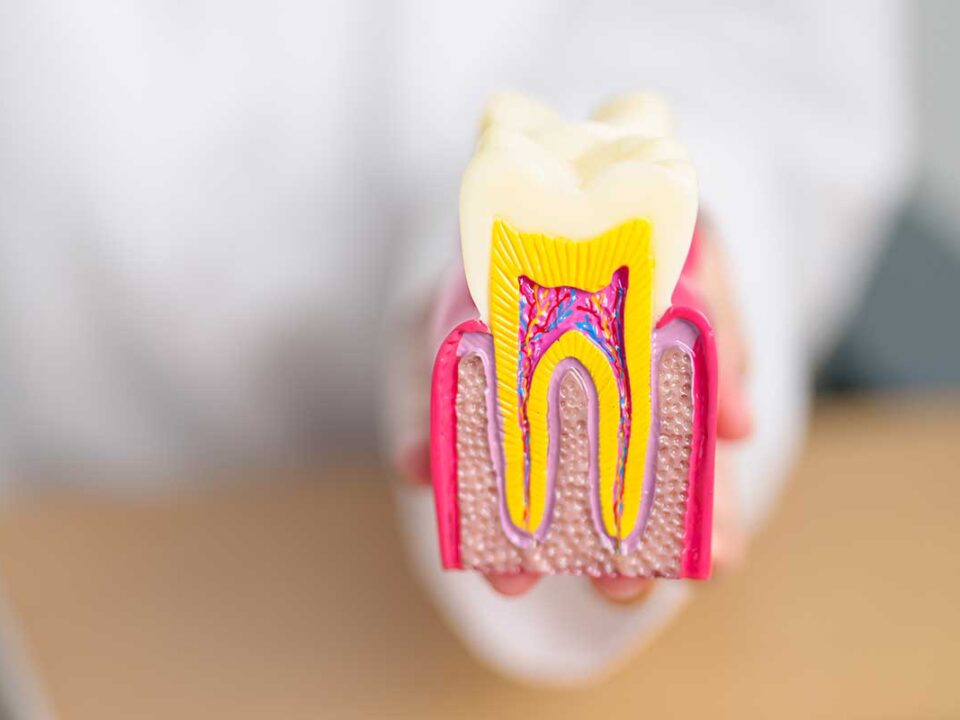
A tooth can only be saved if there’s enough solid structure left to hold a filling or crown. Dentists aren’t just thinking about today. They’re thinking about chewing forces, wear, and whether the repair will still be there years from now.
How much tooth is left
If decay or a break has eaten away most of the tooth, there may not be enough left for a crown to grab onto. Crowns need something solid underneath. Otherwise they loosen, leak, or break.
Where is the damage located (above or below the gumline)
Damage above the gumline is usually much easier to restore.
Damage that runs below the gumline, especially near the bone, gets tricky because:
- it’s hard to keep the area dry during treatment
- fillings and crowns don’t seal as well down there
- gum tissue may need to be reshaped just to expose healthy tooth
Sometimes this can be handled. Sometimes it can’t.
Can the tooth be isolated properly for treatment?
Dental work needs a clean, controlled environment. Saliva, blood, and moisture ruin bonding. If a tooth is too broken down under the gums, getting that control becomes difficult, and failure rates climb.
Cracks: the most common dealbreaker
Not all cracks are the same or mean a tooth will need to be extracted.
- tiny surface cracks in the enamel are common and usually harmless
- cracks into the tooth structure that stop short of the root can sometimes be protected with a crown
- vertical root fractures or cracks that extend deep below the bone usually make a tooth non-restorable
That’s why cracked teeth often sit in the “maybe” category until more testing is done. Sometimes they cross a line that can’t be uncrossed.
2) Prognosis: Even If We Fix It, Will It Hold Up?
Saving a tooth only makes sense if it has a reasonable long-term outlook.
Gum and bone support (periodontal health)
A perfect crown won’t last if the tooth is losing its foundation.
Dentists look closely at:
- how much bone has been lost
- whether the tooth is loose
- bone loss between roots on molars
A tooth with significant bone loss might be savable short-term, but it may not be a smart long-term investment.
Infection and nerve health (endodontic prognosis)
Deep infections can often be fixed with a root canal. That part surprises a lot of people.
Root canals tend to work well when:
- the infection can be cleaned out completely
- the canals can be sealed properly
- the tooth can be protected afterward, usually with a crown
If a root canal has already failed, dentists step back and ask whether fixing it again has a real shot or whether it’s time to move on.
Bite forces and wear (functional risk)
Dentists also think about how the tooth functions after the repair.
- Is the tooth a back molar handling heavy chewing forces?
- Do you clench or grind your teeth?
- Is it the last tooth in the arch taking extra load?
- Is the opposing tooth healthy or compromised?
Heavy forces plus a weakened tooth are a bad combo. Even a well-done repair can fail if it’s constantly overloaded.
3) Patient Factors: The Plan Has to Fit the Person
This part gets overlooked online but matters a lot in real life.
Basically, this means two patients with the same X-ray and tooth damage can get different recommendations from their dentist.
Overall health and healing risk
Smoking, uncontrolled diabetes, dry mouth, and immune issues can all affect healing and long-term success. That doesn’t mean treatment is impossible, but it changes the risk math.
Time and convenience
Some “save the tooth” plans take multiple visits and healing time. If someone needs quick relief or has scheduling limits, that can push the plan one way or another.
Budget and long-term cost
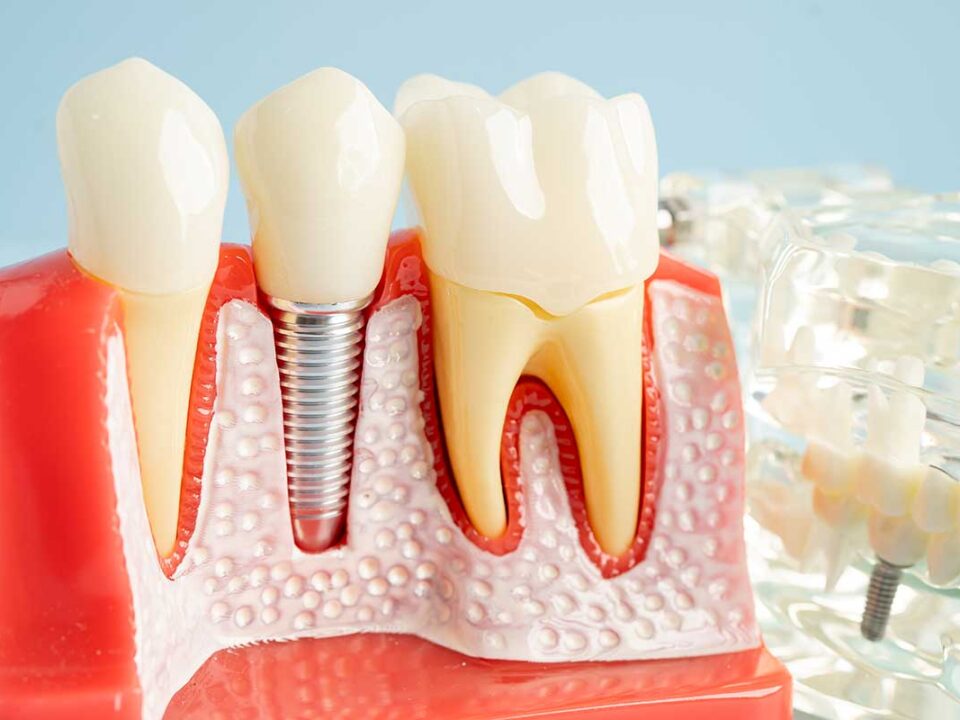
Extraction may look cheaper upfront, but replacement changes the picture. Dental implants, bridges, or partial dentures affect long-term cost and function.
Root canal plus crown versus extraction plus implant or bridge is usually the real comparison, not just the first appointment.
Personal preference
Some patients strongly want to keep natural teeth whenever possible. Others prefer the most predictable long-term option with fewer future procedures. Both are valid. What matters is understanding the trade-offs.
Root Canal vs Extraction: Which Is Better?
This is one of the most searched dental questions for a reason. Once both options come up, patients want to know if saving the tooth makes sense or if pulling it avoids bigger problems later. Dentists weigh structure, infection, and long-term stability before leaning one way or the other.
When a root canal makes sense
A root canal is often the right move when:
- there’s enough tooth left to restore
- infection can be cleaned and sealed
- the tooth can be protected afterward
- bone support is adequate
When extraction may be recommended
Extraction is more likely when:
- the tooth is cracked vertically or split
- decay or fracture extends too far below the gumline or bone
- advanced gum disease has removed too much support
- repeated infection or failure lowers long-term success
- the tooth can’t be predictably restored even after a root canal
Pain and recovery
Both root canals and extractions are done with local anesthesia, so the procedure itself is usually comfortable. What patients feel afterward tends to depend more on the extent of infection or inflammation before treatment than on the treatment itself. A tooth with a long-standing infection can be sore for a few days, regardless of the chosen option.
Cost comparison
Extraction may cost less at the first visit, but that’s only part of the picture. In most cases, the more accurate comparison is root canal plus crown vs extraction plus replacement. Replacing a missing tooth helps prevent shifting, bite changes, and added wear on nearby teeth, which affects long-term cost and function.
Our dentists at our Hamilton clinic always tell patients to look past the first appointment. Instead of weighing a root canal against an extraction alone, it’s important to compare root canal and crown to extraction with replacement. Both paths aim to restore chewing and bite balance, not just stop the pain. That’s why this comparison matters more than the upfront procedure.
Signs a Tooth Might Be Beyond Saving
Some teeth reach a point where saving them creates more problems than it solves. That doesn’t mean the tooth was ignored or treated poorly. It usually means the damage crossed a line where long-term stability just isn’t realistic.
An exam and imaging are always needed, but the following situations tend to push dentists toward recommending extraction:
Vertical root fracture or split tooth
This is one of the clearest reasons a tooth can’t be saved. A vertical root fracture allows bacteria to travel down the root, leading to repeated infections and steady bone loss around the tooth. Even if the tooth feels fine at times, these fractures rarely stay quiet. Once confirmed, extraction is usually the most predictable option.
Decay or fracture too deep under the gumline
Damage that extends below the gumline is harder to seal and protect. Crown lengthening can sometimes expose enough healthy tooth to place a crown, but when decay or a fracture sits too deep or too close to the bone, rebuilding the tooth becomes unreliable. In those cases, repairs tend to fail sooner rather than later.
Advanced gum disease with severe mobility
A tooth needs bone support to function. When gum disease has removed too much bone, the tooth may become loose and unstable. Even if the visible part of the tooth looks fixable, the lack of support underneath often makes long-term success unlikely.
Repeated failure despite proper treatment
When a tooth keeps breaking, reinfecting, or decaying despite correct treatment, it’s often a sign that the remaining structure can’t handle normal chewing forces. Failed root canals, recurring decay under crowns, or fractures under bite pressure usually point to a poor prognosis going forward.
Large infection with poor prognosis
Many dental infections can be treated successfully. The problem comes when infection is paired with other issues like cracks, bone loss, or limited tooth structure. In those situations, clearing the infection doesn’t fix the underlying weakness, and the chance of reinfection stays high.
In these cases, extraction isn’t about giving up on the tooth. It’s about avoiding a cycle of pain, repeated procedures, and frustration that doesn’t end well.
Ways Dentists Can Sometimes Save a Tooth That Looks Hopeless
Sometimes it’s not only about “root canal or extraction,” because real-world dentistry has more options than that. In some cases, a tooth looks hopeless because it wasn’t fully planned for the first time around, not because it truly can’t be saved.
Here are a few ways dentists may be able to save a tooth that’s on the edge.
Root canal retreatment
If an earlier root canal didn’t clear all the infection or broke down over time, retreatment may be possible. This works best when the tooth still has enough structure to be restored afterward.
Apicoectomy
When retreatment isn’t an option or doesn’t solve the problem, an apicoectomy may help. This minor surgical procedure removes infection at the tip of the root and can preserve a tooth that would otherwise be extracted.
Crown lengthening
If decay or a fracture sits near the gumline, crown lengthening can expose more healthy tooth so a crown can seal properly. This can turn a borderline tooth into a restorable one in the right situation.
Periodontal therapy
When gum disease is part of the problem, stabilizing the gums and bone can improve the tooth’s outlook. In select cases, this may be combined with splinting to improve stability.
Upgrading the restoration plan
Some teeth fail because they weren’t protected well enough. Proper buildup, full crown coverage, bite adjustment, or a night guard for grinding can make a big difference in how long a saved tooth lasts.
Sometimes a tooth isn’t truly unsavable. It just needs a plan that matches the amount of damage it’s dealing with.
A Practical Save vs Extract Checklist
A tooth is more likely savable if:
- enough healthy tooth remains above the gumline
- no deep vertical root fracture is present
- bone and gum support are reasonably stable
- infection can be treated with root canal or retreatment
- the tooth can be protected with a crown or onlay
Extraction becomes more likely if:
- the tooth is split or vertically fractured
- damage extends too deep to restore predictably
- advanced bone loss causes significant looseness
- repeated failure suggests poor prognosis
- saving it would be a short-term fix with high failure risk
Smart Questions to Ask Before Saying Yes to Extraction
Extraction is sometimes the right call, but it shouldn’t feel rushed or unclear. Asking a few direct questions can help you understand the condition of the tooth and what each option really means long term.
- Can this tooth be rebuilt in a way that lasts?
- Is there a crack, and where exactly is it?
- How much bone support is left?
- What’s the realistic lifespan if we save it?
- What comes after saving it?
- What replacement options exist if it’s removed?
- What happens if I don’t replace it right away?
- Are there any middle-ground options?
Your dentist should take the time to explain the reasoning behind any recommendation and answer any questions that might arise.
If You Extract a Tooth, Don’t Skip the Replacement Discussion
Removing a tooth solves the immediate issue, but it also leaves a space that can affect chewing, bite balance, and the position of nearby teeth over time. Not every extracted tooth needs to be replaced right away, but many do depending on where the tooth was and how much work it was doing when you chewed.
Planning ahead helps avoid shifting teeth, uneven wear, and added stress on the rest of your bite.
Common options include:
Socket preservation or bone grafting may also be discussed at the time of extraction to help protect bone and keep future implant options open.
Think About It Like This
Saving a tooth is about your predictability and your oral health, not being stubborn about removal.
If a tooth can be rebuilt and has a reasonable chance of lasting, dentists usually try. When it can’t, extraction isn’t a failure, it’s a reset that prevents bigger issues later.
If you’re staring at an X-ray wondering what all those notes mean, ask your dentist to explain. Words like crack, bone loss, infection, crown, gumline tell a clear story once you know how dentists think.
That clarity is what helps people make decisions they don’t regret later.
If you’d like more information or have any questions about extractions or your oral health in general, please don’t hesitate to get in touch with our Hamilton team at Martindale Dental.
Frequently Asked Questions
Yes. Pain isn’t a reliable indicator. Some teeth with serious decay, cracks, or infection don’t hurt until damage is advanced. X-rays and exams matter more than symptoms.
Because treatment decisions involve judgment. Two dentists may weigh risk differently based on experience, equipment, or philosophy. That doesn’t mean one is wrong.
Sometimes. It depends on how much healthy tooth remains and whether a crown can protect it. Heavily filled teeth are weaker, but not automatically doomed.
Not directly. Bone health, gum condition, and bite forces matter more than age alone. Younger patients can still have teeth that can’t be saved, and older patients can keep teeth for decades.
Occasionally, yes. If looseness is caused by inflammation or infection, treating the cause can improve stability. If bone is gone, tightening is less likely.
Often, yes. Delays allow decay, infection, or cracks to progress, which lowers restorability. Early treatment usually gives more options.
No. Antibiotics may reduce symptoms temporarily, but they don’t fix the source of infection inside the tooth. Dental treatment is still needed.
Yes. Some patients choose extraction to avoid repeated treatment, cost, or uncertainty. That’s a valid choice when fully informed.
Not always. Natural teeth are great when stable, but a poorly supported tooth may fail sooner than a properly placed implant. Longevity matters more than labels.
They can. Front teeth, smile lines, and spacing may influence whether saving a tooth is preferred over extraction and replacement.
Grinding increases fracture risk, especially in treated teeth. With protection like crowns or night guards, many teeth can still be saved.
Sometimes. Last molars take heavy force and are harder to restore. Dentists weigh function and longevity carefully in those cases.
Hormonal changes can affect gums, but pregnancy alone doesn’t make a tooth unsavable. Timing of treatment may change, not the decision itself.
Dentists base recommendations on health, not insurance. Coverage may influence which option is more practical for a patient, but it shouldn’t change the diagnosis.
It varies. Some last decades, others only years. Prognosis depends on structure, bite forces, and home care after treatment.
Yes. A second opinion can confirm the plan or present alternatives. That’s especially helpful in borderline cases.
Check us out on Facebook and Twitter for daily information about Oral Health from Martindale Dental, or visit our offices in Hamilton and St. Catharines.
Have more questions?
Please contact us for all inquiries or to book an appointment with one of our convenient clinic locations. We look forward to hearing from you.