
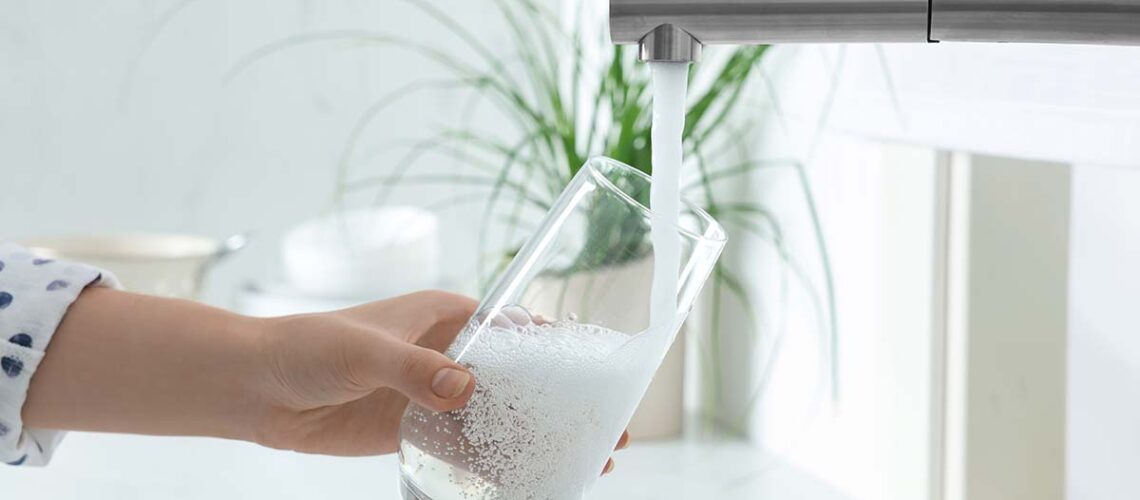
Many patients in Hamilton, ON want to know whether local tap water contains fluoride, whether that is still current, and what it actually means for cavity prevention. For most people on Hamilton’s municipal water system, the answer is yes: Hamilton tap water is fluoridated, and it can play a helpful supporting role in protecting teeth.
Table of Contents
Quick Takeaways
Yes. Hamilton’s municipal drinking water is fluoridated. The City of Hamilton says the current fluoride level in Hamilton water is 0.6 ppm, and Health Canada says 0.7 mg/L (ppm) is the optimal level for communities that choose to fluoridate. For patients, that means Hamilton tap water can help support enamel strength and reduce cavity risk as part of an overall preventive routine that still includes brushing, flossing, and regular dental care.
If you live in Hamilton and receive standard municipal water service, fluoride is already part of your local drinking water system. That does not mean tap water replaces good oral hygiene, nor does it mean every home in the broader Hamilton area has the same water source. But for many local patients, fluoridated tap water is one of the everyday background factors that can help protect teeth over time.
What Is Fluoride in Tap Water?
Fluoride is a mineral found naturally in water, soil, rocks, air, plants, and many foods. Community water fluoridation means adjusting the fluoride level in public drinking water to a level intended to support dental health. Health Canada says drinking water that contains an optimal level of fluoride helps prevent tooth decay, and Hamilton explains that water fluoridation adjusts the natural fluoride concentration to help prevent cavities across the community.
That matters because tooth enamel is constantly exposed to acids from plaque, bacteria, and sugars. Fluoride helps the enamel become more resistant to those acid attacks. In other words, it supports teeth at a low level every day, rather than only during isolated dental visits.
Is Hamilton Tap Water Fluoridated Right Now?
Yes. The City of Hamilton says municipal drinking water is fluoridated and lists the current fluoride level at 0.6 ppm. The City also says fluoride levels are monitored regularly and that independent lab testing confirms the levels used in Hamilton meet safety standards.
That said, not every water source in the broader Hamilton area is identical. The City notes that fluoride is not added to community wells, which is relevant for patients in areas served by well-based systems rather than the main municipal treatment system. Patients on private wells also should not assume their fluoride exposure matches that of the municipal supply.
What Does Fluoride in Hamilton Water Do for Your Teeth?
Fluoride helps strengthen tooth enamel and lower the risk of tooth decay. Hamilton Public Health says fluoride prevents cavities by making the outer layer of the teeth stronger. Health Canada also says drinking water with an optimal fluoride level helps prevent tooth decay.
For patients in Hamilton, that means fluoridated tap water may help by:
Supporting enamel on a daily basis
Every day eating and drinking expose teeth to acids. Fluoride helps make enamel more resistant to those repeated acid attacks.
Extra protection between brushings
Hamilton Public Health says water fluoridation provides additional protection to fluoridated toothpaste. In other words, these are not competing sources of prevention. They work together.
Helping patients of different ages
Hamilton Public Health says fluoride protects teeth from childhood through the senior years. That matters because cavities are not only a childhood issue. Adults can still develop decay, especially around old fillings, exposed root surfaces, and areas that are harder to keep clean.
Why Hamilton Patients Still Need More Than Tap Water Alone
Even if you drink fluoridated tap water in Hamilton, you still need a full preventive routine. Fluoride in water does not remove plaque, clean between teeth, diagnose early decay, or cancel out frequent sugar exposure. It is best understood as a supportive measure, not a complete solution. That fits with Hamilton Public Health’s framing that water fluoridation adds protection beyond fluoridated toothpaste, rather than replacing other care.
For most patients, cavity prevention still depends on the basics:
- Brushing twice a day with fluoridated toothpaste
- Cleaning between the teeth regularly
- Keeping up with dental exams and hygiene visits
- Managing snacking and sugary drink frequency
- Addressing dry mouth, gum recession, crowding, and other risk factors
That practical, layered approach is usually the most useful way to talk about fluoride with patients. It keeps the article grounded in real oral-health habits instead of making fluoride sound like the whole story.
Is Fluoride in Hamilton Water Safe?
The City of Hamilton says the fluoride used in City water is present in small amounts known to provide dental health benefits, and that the City monitors fluoride levels regularly. Hamilton also says independent lab testing confirms the fluoride levels used in Hamilton meet safety standards.
Health Canada says the optimal fluoride concentration in drinking water for communities that fluoridate is 0.7 mg/L (ppm). Hamilton’s listed level of 0.6 ppm is close to that benchmark and well below Ontario’s maximum allowable concentration of 1.5 ppm, as stated on the City’s fluoridation page.
Hamilton’s municipal fluoridation is part of a regulated public drinking-water system, and the City states that its drinking water is safe to drink and consistently meets Ontario standards.
What About Kids and Too Much Fluoride?
Hamilton Public Health says dental fluorosis can happen when children get too much fluoride while their adult teeth are developing. It also says fluorosis is uncommon in Hamilton and is often linked to excess fluoride intake, such as swallowing too much toothpaste.
That is an important distinction for parents. The concern is generally about excess intake during tooth development, not about routine adult exposure through normal municipal drinking water. For younger children, toothpaste supervision still matters. Age-appropriate amounts and helping children avoid swallowing toothpaste are practical parts of fluoride safety at home.
Does Everyone in Hamilton Get the Same Fluoridated Water?
Not necessarily. Hamilton’s municipal water system is fluoridated, but the City also says fluoride is not added to community wells. That means some households in the broader Hamilton area may not have the same level of fluoride exposure as those served by the main municipal treatment system.
If a patient lives in a more rural part of Hamilton, uses a private well, or is unsure which water source their home uses, they should not assume their fluoride level matches that of the main municipal supply. Ontario guidance for private wells also notes that standard free well-water testing focuses on bacterial contamination rather than a full chemical profile, so private-water questions may require more specific testing depending on the issue being investigated.
What If You Use Well Water in the Hamilton Area?
If your home uses private well water, cistern water, or another non-standard source, your fluoride exposure may be different from someone on Hamilton’s main municipal system. That does not automatically mean there is a problem. It just means your starting point may be different.
From a dental perspective, that matters because fluoride exposure is only one piece of your cavity-risk picture. Patients on well water may still have excellent oral health, and patients on fluoridated municipal water can still get cavities. But when someone has frequent decay, dry mouth, exposed roots, or a history of dental problems, knowing their water source can be a useful context for prevention planning.
What This Means for Martindale Dental Patients in Hamilton, ON
For many Martindale Dental patients in Hamilton, fluoridated tap water is one helpful part of everyday cavity prevention. It may support enamel strength and reduce the risk of cavities over time, but it works best alongside good brushing, flossing, dietary habits, and routine dental care.
If you are on Hamilton municipal water, fluoride is already part of your environment. If you use well water, live in an area with a different water source, or have ongoing concerns about cavities, sensitivity, or your child’s fluoride exposure, it is worth raising that at your dental visit. Prevention is always more effective when tailored to the individual patient rather than assumed to be the same for everyone.
Frequently Asked Questions
Drinking water regularly can help your mouth in a few ways. It can help rinse away food debris, reduce dryness, and support saliva function. If the water is fluoridated municipal water, that may add a small preventive benefit as well. That said, simply drinking more water does not replace brushing, flossing, or routine dental care.
Fluoride in tap water is mainly discussed in relation to cavity prevention and enamel support, not as a direct treatment for sensitivity. Some people may benefit more from prescription-strength or sensitivity-focused toothpaste if exposed roots, enamel wear, or gum recession are involved. Sensitivity usually needs a more individualized assessment.
No. Boiling water does not remove fluoride. In fact, boiling can reduce the water volume and leave dissolved minerals behind rather than removing them. So patients should not assume boiled tap water becomes fluoride-free.
Some filters do, and many do not. Basic carbon filters are often used for taste and odour improvement, but they do not necessarily remove fluoride. If a patient specifically wants to know whether their home filter changes fluoride levels, they need to check the manufacturer’s specifications for that exact system.
Fluoride is relevant for adults too. Adults can still get cavities, especially around older fillings, exposed root surfaces, crowns, bridges, or areas that are difficult to clean. People with dry mouth, frequent snacking habits, or a history of decay may also remain cavity-prone well into adulthood.
It may help as part of a broader preventive routine. Root cavities can become more common when gums recede and the root surface becomes exposed. Those areas are generally more vulnerable than enamel, so fluoride exposure may still be useful, especially when combined with good home care and professional prevention.
Often, no. Patients with frequent cavities, dry mouth, orthodontic appliances, exposed roots, or a strong decay history may need more than just everyday fluoride exposure from water and toothpaste. Depending on the situation, that could include fluoride varnish, higher-strength toothpaste, dietary counselling, or more frequent preventive visits.
Yes, it can still matter. Braces create more plaque-retentive areas and make some surfaces harder to clean well. That can increase cavity risk and raise the chance of white spot lesions. Fluoride from toothpaste and drinking water may both be useful, but patients with braces still need very consistent cleaning.
Possibly some of it. A heavy rinse right after brushing may reduce how much fluoride stays on the teeth. Many patients benefit from spitting out excess toothpaste and avoiding a big rinse immediately after brushing. That is separate from fluoridated water, but it is part of making fluoride use more effective at home.
Yes, because the rest of your natural teeth still matter. Veneers, crowns, and implants do not make someone cavity-proof. Natural tooth structure, exposed root surfaces, and margins around dental work can still be vulnerable, so prevention remains important.
Yes, that can be useful. It may seem like a small detail, but knowing whether a patient drinks municipal tap water, bottled water, filtered water, or well water can help add context when looking at cavity risk. It is usually not the only factor, but it can still be relevant.
Using fluoridated tap water in coffee or tea still means the water source itself contains fluoride. That said, no one should think of coffee or tea as a dental prevention strategy. Factors like sugar, acidity, frequency of sipping, and staining potential still matter.
References
- City of Hamilton. (2026, January 8). Water Fluoridation.
https://www.hamilton.ca/home-neighbourhood/water-wastewater-stormwater/water-treatment-distribution/water-fluoridation - City of Hamilton. (2024, September 18). Oral Health Information.
https://www.hamilton.ca/people-programs/public-health/dental-health/oral-health-information - City of Hamilton. (2026, January 8). Drinking Water System.
https://www.hamilton.ca/home-neighbourhood/water-wastewater-stormwater/water-treatment-distribution/drinking-water-system - City of Hamilton. (2026, February 25). Drinking Water Quality.
https://www.hamilton.ca/home-neighbourhood/water-wastewater-stormwater/water-treatment-distribution/drinking-water-0 - Health Canada. (2025, June 16). Fluoride and oral health.
https://www.canada.ca/en/health-canada/services/healthy-living/your-health/environment/fluorides-human-health.html - Government of Ontario. (2022, April 12). Testing and treating private water wells.
https://www.ontario.ca/page/testing-and-treating-private-water-wells
Check us out on Facebook and Twitter for daily information about Oral Health from Martindale Dental, or visit our offices in Hamilton and St. Catharines.
Have more questions?
Please contact us for all inquiries or to book an appointment with one of our convenient clinic locations. We look forward to hearing from you.