

Why Infant and Toddler Oral Care Matters
Did you know that tooth decay is the most common chronic childhood disease, even more prevalent than asthma? Dental issues can begin as soon as teeth erupt, making early oral care essential. Starting oral care right away and monitoring how your child compares to standard dental milestones can help:
- Prevent early childhood caries (ECC)
- Encourage positive dental habits
- Support proper speech and jaw development
- Avoid costly treatments later on
TL;DR: Begin oral care before the first tooth erupts, and establish consistent routines throughout toddlerhood.
Oral Care from Birth to 6 Months

In the earliest months, oral care focuses on preventing bacterial buildup and introducing gentle habits, even before teeth appear. The CDA recommends starting routines from birth to set a strong foundation.
What to Do:
Clean gums after feedings and before bedtime: Use a clean, soft, damp washcloth or gauze pad to wipe your baby’s gums twice a day gently. This helps remove milk residue and reduces bacteria.
Do monthly gum checks: Use your finger to gently lift your baby’s upper lip and inspect their gums for any white or brown discoloration—early signs of decay.
Avoid sugary liquids: Never put your baby to sleep with a bottle containing milk, formula, juice, or sweetened liquids. These sugars can pool in the mouth and lead to decay.
Introduce water if appropriate: If your baby is over 6 months old and your pediatrician agrees, offer small amounts of water after meals to rinse the mouth.
No sweetened pacifiers: Don’t dip pacifiers in sugar or honey. It exposes gums to unnecessary sugars and increases the risk of decay.
Teething & Gum Care (4–12 Months)
From four months onward, your baby may start teething—an exciting yet sometimes uncomfortable phase. This period marks the transition from a toothless smile to the appearance of those first tiny teeth. It’s essential to continue gum care and introduce toothbrushing practices. Consistency during this stage lays the groundwork for lifelong oral hygiene.
Signs of Teething:
Teething is a natural, sometimes uncomfortable process. Here’s what to expect:
- Swollen or tender gums: Gums may appear red, puffy, or bulging.
- Drooling: Increased saliva is common and may cause a mild rash around the mouth.
- Fussiness or irritability: Your baby might become crankier than usual, especially around feeding or sleep times.
- Gnawing or chewing: Babies will often chew on fingers, toys, or nearby objects to soothe their gums.
Soothing Tips:
- Gently massage your baby’s gums: Use a clean finger or moistened gauze to massage your baby’s gums with gentle pressure for a couple of minutes.
- Offer a chilled teether: Refrigerated (not frozen) teething rings, spoons, or cloths can provide soothing relief.
- Use medication when advised: If teething pain interferes with sleep or feeding, consult your pediatrician about using infant acetaminophen or ibuprofen.
- Avoid unsafe products: Skip benzocaine-containing gels, lidocaine, and amber teething necklaces, as they pose serious health risks.
First Tooth Brushing Basics
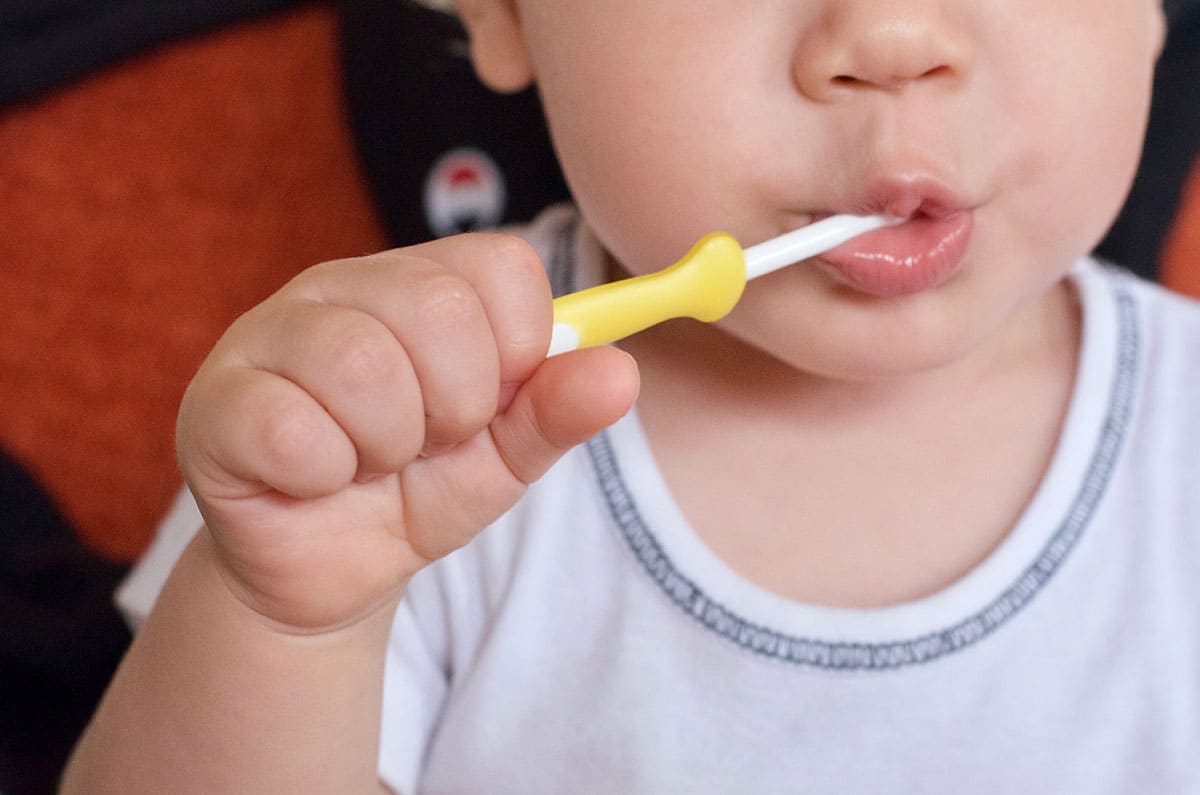
The arrival of your baby’s first tooth is a milestone worth celebrating—and brushing! This stage marks the beginning of proper oral hygiene routines. Early brushing not only helps prevent cavities but also familiarizes your child with daily dental care. Positively introducing a toothbrush and toothpaste helps build habits that will last a lifetime.
TL;DR: Once your baby’s first tooth erupts (usually around 6 months), it’s time to start brushing.
Brushing Guidelines:
- Choose the right toothbrush: Look for an infant toothbrush with ultra-soft bristles and a small head that fits comfortably in your baby’s mouth.
- Use fluoride toothpaste: Begin with a smear the size of a grain of rice. As your child turns 3, increase to a pea-sized amount.
- Brush twice daily: Clean your baby’s teeth once in the morning and once before bedtime.
- Brush gently: Angle the bristles toward the gumline and brush all surfaces of the teeth using tiny circular motions.
- Don’t rinse afterward: Encourage your child to spit out the toothpaste, but avoid rinsing with water to let fluoride continue working.
- Replace toothbrush often: Change it every 3–4 months or sooner if bristles fray.
Toddler Oral Care (Ages 1–3)
Toddlers are learning by doing, and brushing is no exception. At this stage, your child begins to assert independence, making it a perfect opportunity to build lasting oral care routines. While they may want to brush on their own, they still need your help and encouragement to ensure their teeth are cleaned thoroughly. With the right balance of structure and fun, toddlers can develop healthy dental habits that last a lifetime.
TL;DR: This stage focuses on reinforcing habits, introducing independence, and gradually reducing supervision.
Tips for Parents:
- Turn brushing into a game: Use songs, storytime, or brushing apps to keep your toddler engaged.
- Let them choose: Allow your child to pick their toothbrush colour or toothpaste flavour (fluoridated, age-appropriate) to boost participation.
- Brush together: Make it a family activity. Children mimic their parents, so model proper brushing techniques.
- Supervise thoroughly: Even if toddlers want to “do it themselves,” always follow up to ensure thorough cleaning until at least age 6.
- Watch their diet: Avoid sticky snacks, candies, and sugary juices. Offer tooth-friendly foods like cheese, yogurt, and crunchy veggies.
- Start flossing: Floss between any teeth that touch each other. Use flossers or soft picks designed for kids.
- Try to start slowly weaning off of thumbsucking or pacifier use.
Preschoolers (Ages 3–5)
Preschoolers are more independent, curious, and able to follow routines, but they still require guidance. This age is ideal for reinforcing good oral habits, practicing proper brushing techniques, and teaching children the “why” behind dental hygiene. With a little structure and plenty of encouragement, children can take significant steps toward brushing and flossing with greater confidence.
TL;DR: Kids in this age group are more capable and curious. Encourage independence while ensuring proper technique.
What to Focus On:
- Use a pea-sized amount of fluoride toothpaste: Children at this age can handle slightly more paste, but they should still be supervised to prevent swallowing.
- Practice spitting: Teach your child to spit out toothpaste instead of swallowing. Avoid rinsing with water to keep fluoride on the teeth.
- Keep brushing twice a day: Continue brushing morning and night, helping or monitoring as needed.
- Introduce flossing as a habit: Make flossing a regular part of your routine. Use fun tools like animal-shaped flossers.
- Build brushing routines: Set reminders and use brushing charts or sticker rewards to make it fun.
- Schedule routine dental visits: Keep up with dental appointments every 6 months and ask about sealants or fluoride varnish if applicable.
School-Age Children (Ages 6–12)
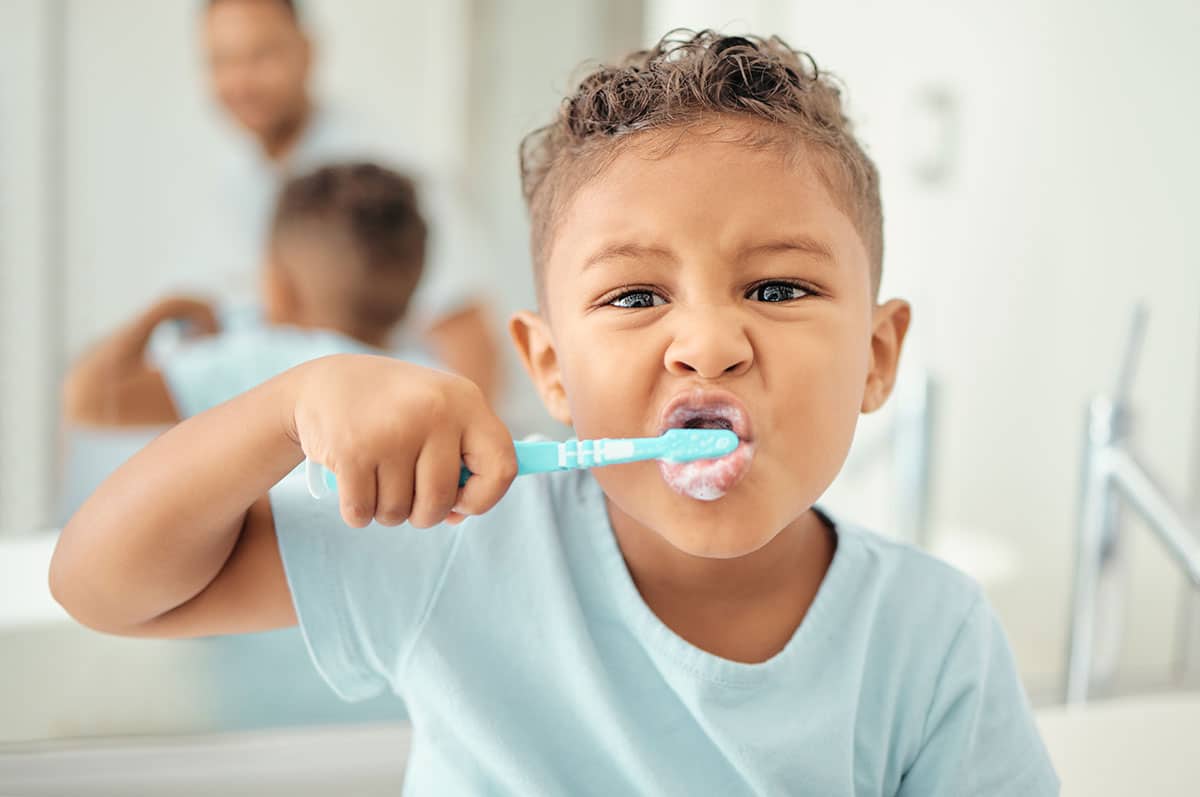
As kids enter elementary school, they gain more independence and start forming habits that will stick well into adulthood. This stage is when permanent teeth begin to replace baby teeth, making consistent hygiene more crucial than ever. With support, encouragement, and education, school-age children can confidently take responsibility for their oral health.
TL;DR: Permanent teeth begin to emerge. At this stage, it’s crucial to solidify habits and monitor growth.
Key Strategies:
- Supervise but give independence: Kids should brush independently, but parents should check the results occasionally.
- Brush for 2 minutes twice daily: Use timers or musical apps to encourage full brushing time.
- Use child-appropriate fluoride toothpaste: Make sure they continue with a pea-sized amount and understand not to swallow it.
- Floss once a day: Help them build a strong flossing routine. Consider using kid-friendly floss picks.
- Consider sealants: Ask your dentist about sealants to protect molars from cavities.
- Limit sugary snacks and sodas: Educate them on how diet affects oral health.
Teenagers (Ages 12+)
Teens face a unique set of oral health challenges—from braces to busy schedules, changing diets, and even peer pressure. This is the time to reinforce autonomy while reminding them that good oral hygiene impacts appearance, confidence, and long-term health. Helping them stay accountable now builds habits that will carry into adulthood.
TL;DR: Oral health for teens is about autonomy, orthodontic care, and dealing with new lifestyle risks.
Tips for Teens:
- Continue twice-daily brushing: Brushing remains essential, especially with braces or aligners.
- Continue using fluoridated toothpaste: Reinforce cavity prevention and fresh breath habits.
- Floss thoroughly: Braces? Use floss threaders or water flossers for easy cleaning.
- Monitor for wisdom teeth: Ask your dentist to track the development of your wisdom teeth via X-rays.
- Reinforce diet education: Teens often consume more sugary drinks and snacks. Help them make smart choices.
- Encourage regular checkups: Consistent dental visits remain critical for detecting issues early.