small girl showing the gap in her teeth after she lost on that should be filled with space maintainers for kids

When To Use Space Maintainers For Kids

Baby teeth aren’t just for chewing and smiling — they play a critical role as natural placeholders for adult teeth. When a child loses a baby tooth too early, whether from tooth decay, injury, or extraction, the surrounding teeth can drift into the empty space. This shifting often leads to crowding, bite misalignment, or the need for orthodontic treatment later on.

That’s where space maintainers come in. These small dental appliances help keep the gap open until the permanent tooth is ready to erupt, reducing the risk of costly and complex orthodontic issues in the future.

In this article, we’ll break down when to use space maintainers for kids, the signs your child might need one, the different types available, how long they’re typically worn, and essential care tips for parents to ensure treatment success.

Table of Contents

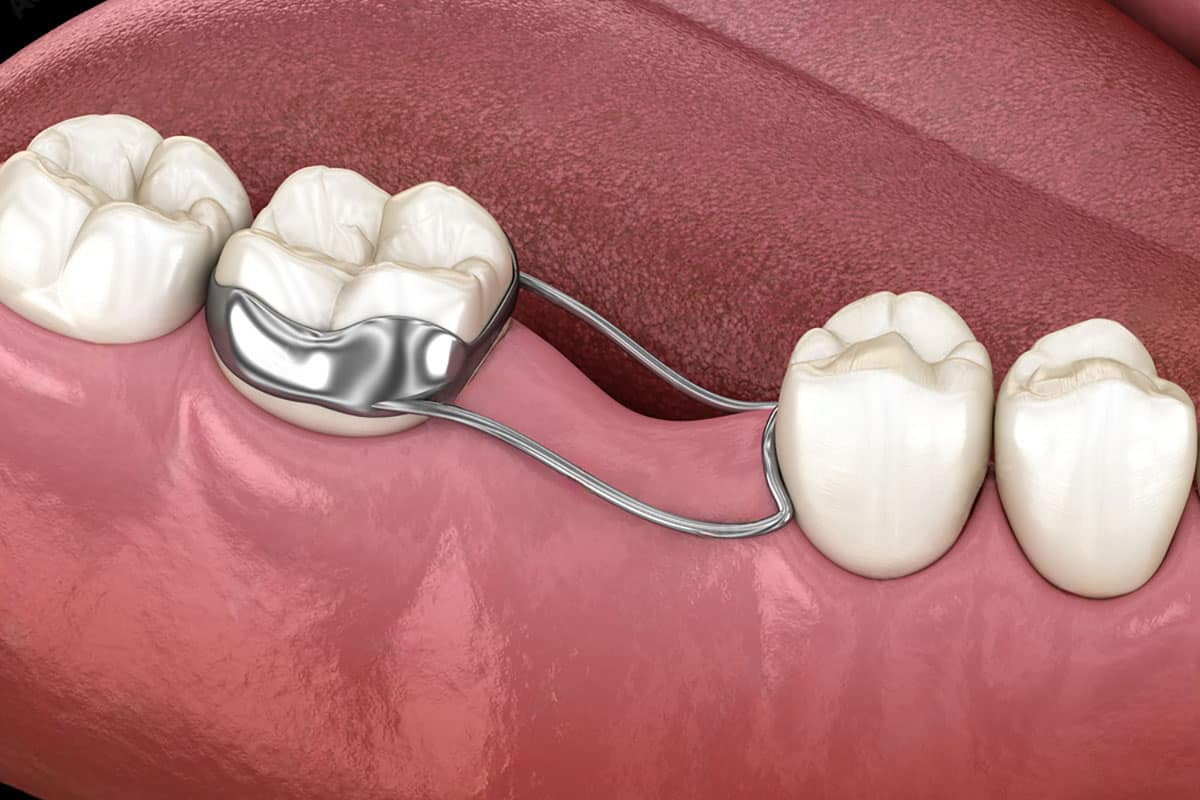
image of a typical space retainer for kids used by orthodontists and dentists to keep the shape of children's jaws if they lose teeth

What Is a Space Maintainer?

A space maintainer is a small dental device that maintains the gap after a child loses a baby tooth prematurely. Its main job is to hold that space until the permanent tooth grows in, ensuring your child’s smile develops properly.

Purpose: Stops nearby teeth from drifting into the empty spot, which helps prevent crowding, crooked teeth, and bite problems.

Design: Space maintainers are available in two forms: a fixed version (cemented in place by the dentist) and a removable version (similar to a retainer that can be removed for cleaning and maintenance).

Timing: Most often used when a baby molar is lost early due to decay, injury, or extraction.

Why It Matters: Without a space maintainer, teeth can shift into the wrong positions, making orthodontic treatment (like braces) more likely, more complicated, and often more expensive in the future.

Think of it as a “placeholder” that protects your child’s future smile and helps avoid bigger dental problems down the road.

Signs Your Child Needs a Space Maintainer

Kids who lose a baby molar too early are the most likely to need a space maintainer.

When a child loses a baby tooth early, it’s not always clear whether intervention is necessary. Some gaps naturally close without issues, while others can create long-term problems if left untreated. A space maintainer acts like a placeholder, keeping the area open until the permanent tooth is ready. Recognizing the signs early can save your child from crowding, bite problems, or even the need for more complex orthodontics later.

Lost a baby molar too soon: This is especially important if it’s more than 12 months before the permanent tooth is expected.

Tooth loss from decay, injury, or extraction: Early gaps often need extra protection.
Shifting or tilting teeth: neighbouring teeth start drifting into the space.

Crowding or bite issues noted by a dentist: Your child’s smile shows misalignment, crossbites, or delayed eruption risks.

Too young for braces: Your child isn’t ready for orthodontics, but still needs guidance for proper tooth eruption.

 If you notice one or more of these signs, it’s best to consult a pediatric dentist. At our Hamilton dental clinic, we regularly help families decide whether a space maintainer is the right step for protecting their child’s smile.

Space Maintainer Age Guidance

Kids lose baby teeth at different ages, and not every gap needs a space maintainer. The decision depends on three main factors: your child’s age, which tooth is missing, and how close the permanent tooth is to erupting. Younger children are at higher risk for shifting teeth because their adult teeth may still be years away, while older children and teens usually have permanent teeth developing right behind the baby teeth.

Here’s a quick breakdown of how age plays a role:

Toddlers (under 4 years old): Rarely need maintainers. Gaps in front of baby teeth are usually left alone, since permanent teeth erupt naturally.

Ages 5–10: Most common age group for space maintainers. Baby molars are key placeholders, and losing them too early often requires support.

Pre-teens (10–12 years old): May still need a maintainer if back molars are lost before the permanent successors are ready.

Teens (13+): Uncommon, as most permanent teeth are already erupting.

Quick rule of thumb: If your child loses a primary molar too early and the adult tooth isn’t close to erupting, a space maintainer is usually recommended.

Families visiting our Hamilton and St. Catharines offices often ask us about age guidelines. Our pediatric dentists can quickly assess whether your child’s timing and tooth development make a space maintainer necessary.
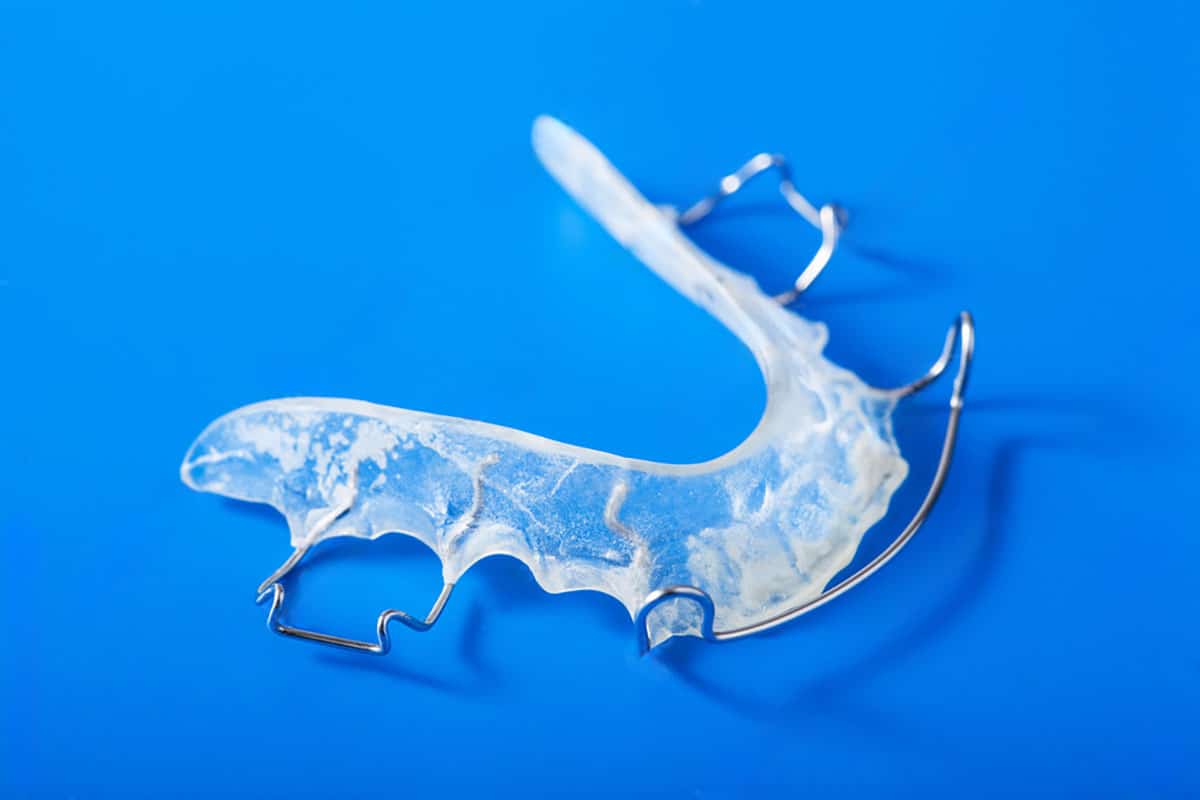
image of a retainer style or removeable space retainer

Fixed vs Removable Space Maintainer Comparison

Choosing between a dental implant and a dental bridge depends on factors like cost, longevity, oral health impact, and your personal treatment goals. While both options restore your smile and chewing function, they work in very different ways. The chart below provides a clear, side-by-side breakdown of the key differences to help you and your dentist decide which solution fits best.

Feature Fixed Space Maintainer Removeable Space Maintainer
Design
Cemented to adjacent teeth and stays in place until removed by the dentist.
Works like a retainer that can be taken in and out by your child.
Best For
Younger kids or children who may not reliably follow care instructions.
Older, responsible kids who can handle taking it out for cleaning.
Durability
Very durable, difficult to lose, and designed to last until the permanent tooth comes in.
More fragile — can be misplaced, lost, or broken if not handled carefully.
Comfort
Less noticeable since it’s fixed; most kids adapt quickly.
May feel bulky at first and require an adjustment period.
Cleaning & Care
Easy to clean with normal brushing and flossing around the appliance.
Must be removed daily for cleaning; requires discipline and responsibility.

In most cases, dentists recommend fixed maintainers for younger children since they don’t require cooperation to work properly. Removable maintainers are usually reserved for older kids who are responsible enough to keep track of them and maintain proper hygiene.

Our pediatric dentists help parents weigh the pros and cons of each type to find the best fit for their child’s smile and lifestyle.

Space Maintainers for Baby Tooth Loss

Baby molars are the teeth most likely to need a space maintainer if they’re lost too early.

Not every missing baby tooth requires treatment, but the location of the tooth makes a big difference. Front teeth often close on their own without problems, while back teeth (especially molars) play a critical role in holding space for the permanent teeth that erupt later. Losing these too early can lead to crowding, shifting, or bite issues.

Here’s what parents should know:

Front baby teeth: If lost early, these gaps are usually left alone. The permanent teeth in the front typically erupt without major spacing concerns. A space maintainer is rarely needed.

Back baby teeth (molars): These are the most important teeth to watch. If a molar is lost before age 10, a space maintainer is often recommended to keep the gap open until the adult molar erupts.

Multiple lost teeth: When more than one baby tooth is lost, especially in the back, the situation can be more complex. Your dentist may recommend specialized appliances or an early orthodontic evaluation to ensure proper spacing.

The rule of thumb: molars matter most. If your child loses a baby molar too early, it’s best to ask your pediatric dentist whether a space maintainer is needed.

How Long to Keep a Space Maintainer

Most kids wear a space maintainer until the permanent tooth is ready to erupt, usually between 6 months and 2 years.

The exact timeline depends on your child’s age, which tooth was lost, and how quickly their permanent teeth are developing. Some kids may only need the appliance for a short period if the adult tooth is close to erupting, while others — especially younger children who lose molars early — may need it for several years. The key is that the appliance only stays in place for as long as it’s protecting the space.

  • Average duration: Most children keep a space maintainer for 6 months to 2 years.
  • Removed once the permanent tooth erupts: The device is taken out when the adult tooth starts pushing through the gum.
  • Regular monitoring: Dental check-ups every 6 months allow your dentist to confirm it’s still fitting properly and not causing irritation.
  • X-ray guidance: Dentists use X-rays to track eruption and decide the safest time for removal.

Think of a space maintainer as a temporary safeguard that only stays in place until nature takes over.

Space Maintainer Care Tips

Taking care of a space maintainer helps it last longer and keeps your child’s mouth healthy.

Although space maintainers are simple devices, they do require some special attention. Proper care helps prevent irritation, breakage, or shifting teeth, and ensures the appliance does its job until the permanent tooth is ready to erupt. Parents can make a big difference by helping kids follow these habits:

Brush carefully around the appliance: Pay extra attention when brushing and flossing near the maintainer to keep plaque from building up.

Avoid sticky, chewy foods: Gum, caramel, gummies, and other sticky snacks can loosen or damage the device.

No playing with the maintainer: Remind your child not to push, wiggle, or tug at it with fingers or their tongue.

See the dentist if it loosens or breaks: A damaged or loose appliance won’t protect the space adequately and should be fixed right away.

Keep up with regular check-ups: Routine visits allow your dentist to monitor the appliance, adjust if needed, and make sure the permanent tooth is erupting normally.

With good daily care and consistent dental visits, a space maintainer can stay practical and comfortable until it’s no longer needed.

Pros and Cons of Space Maintainers

Space maintainers are a simple, preventive solution, but like any dental appliance, they come with both advantages and drawbacks.

For many kids, the benefits outweigh the downsides, especially when it comes to protecting their smile and avoiding bigger orthodontic problems later. Here’s what parents should know:

Benefits of Space Maintainers

  • Prevents teeth shifting and crowding: Keeps the gap open so permanent teeth erupt in the right place.
  • Lower cost than braces later on: A relatively inexpensive preventive measure compared to full orthodontic treatment.
  • Simple and painless procedure: Placement is quick, minimally invasive, and well-tolerated by children.
  • Protects long-term oral health: Reduces the risk of bite problems, misalignment, and jaw development issues.

Drawbacks of Space Maintainers

  • Requires maintenance and monitoring: Regular dental visits are needed to ensure the device is still fitting and effective.
  • Mild irritation or soreness at first: Kids may need a few days to adjust to the appliance.
  • Risk of breakage if not cared for: Sticky foods, poor hygiene, or tampering with the device can damage it.
  • Not always necessary: Front baby teeth rarely need maintainers, so placement depends on the situation.


Key Takeaway

Space maintainers are a simple, preventive solution for kids who lose baby molars too early. They keep gaps open until permanent teeth are ready, helping avoid costly orthodontic problems down the road.

If your child loses a tooth too soon, especially a molar, ask your pediatric dentist: “Does my child need a space maintainer?”

Frequently Asked Questions About Space Maintainers

Most kids who need them are between 5 and 10 years old. This is the stage when baby molars act as placeholders for adult teeth. If a molar is lost too early during this period, there may be several years before the permanent molar erupts, making a space maintainer especially important.

Primarily yes. Molars hold the back teeth in place and help guide jaw alignment. Losing them too early creates the biggest risk for crowding. Front teeth rarely need maintainers, except when multiple teeth are missing, which can sometimes affect spacing or speech.
 

No. After placement, kids may feel mild soreness or pressure for a day or two, but the discomfort fades quickly. Once adjusted, most children forget they’re wearing one.

In rare cases, removable space maintainers may temporarily affect speech sounds like “s” or “th.” However, children usually adapt within a few days or weeks. Fixed maintainers typically have little to no effect on speech.

Not significantly. Children can eat most foods normally, but sticky items (gum, caramel, gummies) or hard foods (ice, hard candy) should be avoided since they can damage or loosen the appliance. With these small adjustments, most kids eat comfortably.

A pediatric dentist will check the child’s age, which tooth was lost, and how close the permanent tooth is to erupting. X-rays help determine whether the adult tooth is developing properly. If eruption is years away, a space maintainer is often recommended.
 

Yes. In fact, space maintainers can be designed for single or multiple missing teeth. In cases where several teeth are missing, a more complex appliance — sometimes spanning across the mouth — may be needed.
 

Not always. Space maintainers reduce the risk of crowding and shifting, but they don’t guarantee a child won’t need orthodontics later. Braces may still be needed depending on jaw growth, genetics, or bite issues unrelated to early tooth loss.
 

Often, yes. Many insurance plans classify them as preventive pediatric dental care. Coverage depends on your provider, but in many cases, parents pay little or nothing out of pocket.
 

Placement is quick and painless. After taking an impression or scan of your child’s teeth, the dentist has the appliance custom-made. At a follow-up appointment, cementing a fixed maintainer usually takes 15–30 minutes.
 

Yes. Since children’s mouths are growing, the dentist may check and adjust the appliance at regular visits. If the device becomes loose, causes irritation, or the child experiences discomfort, an earlier adjustment may be necessary.
 

Yes, but if they play contact sports, a mouthguard is strongly recommended. This protects both the teeth and the appliance from damage. Custom-fit mouthguards are often available through your dentist.
 

No, they actually support healthy growth. By holding the space open, they ensure permanent teeth erupt into their correct position. Without one, the risk of teeth shifting or overlapping increases.
 

Sometimes. If the permanent tooth is already close to erupting, a dentist may recommend simply monitoring the gap. In rare cases, early orthodontic treatment may be suggested instead.

Check us out on Facebook and Twitter for daily information about Oral Health from Martindale Dental, or visit our offices in Hamilton and St. Catharines.

Have more questions?

Please contact us for all inquiries or to book an appointment with one of our convenient clinic locations.  We look forward to hearing from you.