
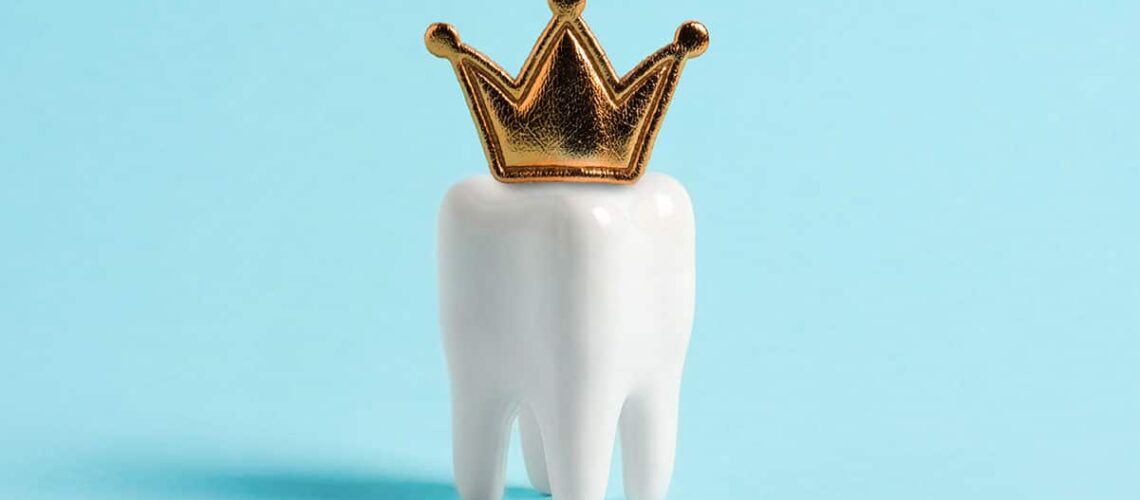
What is a Dental Filling?
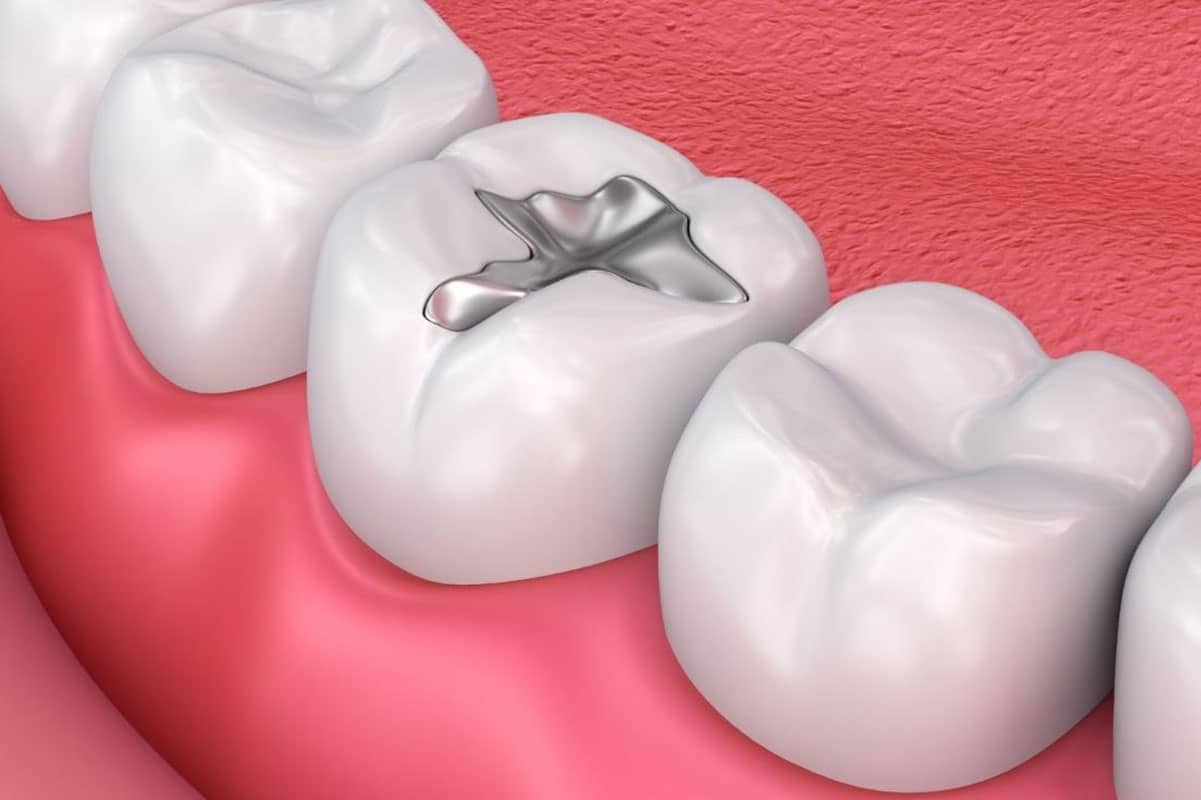
A dental filling is a procedure used to repair minor damage or decay in a tooth. Fillings are typically applied after a dentist removes decayed material from a cavity, leaving behind a clean, prepared surface ready to be filled. Dental fillings are one of the most common dental procedures and the number one way our dentists fix cavities.
Types of Fillings
Choosing the right type of filling depends on several factors, including the location of the tooth, the extent of damage, and personal preferences. Below is a breakdown of the most commonly used types of fillings: There are several types of dental fillings available, including:
Amalgam Fillings
- Made from a combination of silver, mercury, tin, and copper.
- Known for their durability and affordability.
- It is commonly used for back teeth where the filling is less visible.
Composite Resin Fillings
- Made from a mixture of fine glass and plastic particles.
- It offers a tooth-coloured finish, making it aesthetically pleasing.
- It is less durable than amalgam but well-suited for front teeth or smaller cavities.
Ceramic Fillings
- Made from porcelain, offering excellent aesthetics and durability.
- More resistant to staining than composite fillings.
Gold Fillings
- Made from a gold alloy, offering high durability and resistance to wear.
- One of the most expensive filling options.
Glass Ionomer Fillings
- Made from a mixture of acrylic and a specific type of glass.
- Releases fluoride, which can help protect the tooth from further decay.
When is a Filling Recommended?
The decision for a dental filling will be up to your dentist, but in most cases, a dental filling is recommended when:
- The tooth has a small to moderate cavity.
- There is minor damage, such as a chipped tooth.
- The decay has not reached the pulp (the innermost part of the tooth containing nerves and blood vessels).
- The structural integrity of the tooth can still be preserved without extensive restoration.
Pros and Cons of Dental Fillings
Pros:
- Quick and minimally invasive procedure.
- Less expensive than crowns.
- Preserves more of the natural tooth structure.
- Available in tooth-coloured materials for an aesthetically pleasing result.
Cons:
- Less durable than crowns, especially for large restorations.
- May require replacement after several years due to wear, leakage, or further decay.
- Not suitable for teeth with extensive damage or weakened structure.
What is a Dental Crown?
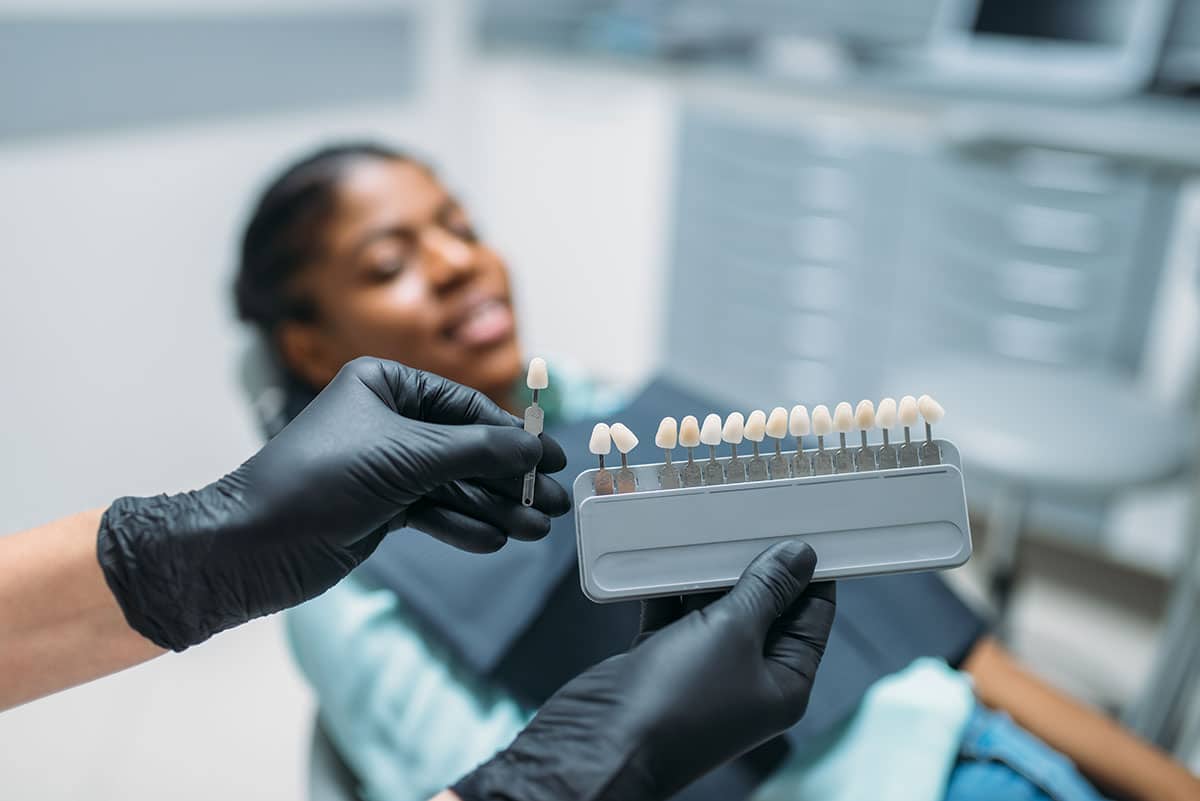
A dental crown, also known as a cap, is a tooth-shaped covering that encases the entire visible portion of a damaged tooth. Crowns are designed to restore the tooth’s shape, size, strength, and appearance.
Types of Crowns
When it comes to crowns, various materials can be used, each offering unique benefits in terms of durability, aesthetics, and cost. Here’s a detailed look at the different types of crowns available: Similar to fillings, crowns come in various materials, each with unique characteristics:
Porcelain or Ceramic Crowns
- Provide the most natural appearance, matching the colour of adjacent teeth.
- Suitable for front teeth due to their aesthetic appeal.
- They are highly biocompatible and less likely to cause irritation or allergic reactions.
- They are not as strong as metal-based crowns, making them more suitable for areas with lower biting pressure.
Metal Crowns
- Made from gold, platinum, or base metal alloys like nickel or chromium.
- Extremely durable and resistant to wear and fracture.
- Requires less removal of the natural tooth structure compared to other types of crowns.
- Often used for molars, which endure significant chewing pressure.
- The metallic colour makes them less suitable for front teeth.
Porcelain-Fused-to-Metal (PFM) Crowns
- Combines the strength of a metal core with a porcelain outer layer for a more natural look.
- Offers a balance between aesthetics and durability.
- Can cause wear on opposing teeth due to the hardness of the porcelain.
- Over time, the metal underlayer may become visible near the gum line if the gums recede.
Zirconia Crowns
- Made from zirconium dioxide, a very strong ceramic material.
- Offers superior strength and durability, suitable for both front and back teeth.
- Can be milled from a single block of material, reducing the risk of fractures.
- Available in monolithic (solid zirconia) or layered zirconia for improved aesthetics.
- Resistant to chipping and cracking compared to porcelain crowns.
Resin Crowns
- Made from composite resin materials.
- Less expensive than other types of crowns.
- Primarily used as a temporary solution while waiting for a permanent crown.
- Less durable and more prone to fractures and wear.
Stainless Steel Crowns
- Commonly used as temporary crowns or for children’s primary teeth.
- Pre-fabricated and cost-effective.
- Provide full coverage protection until the primary tooth falls out or a permanent crown can be placed.
When is a Crown Recommended?
Most dentists will prefer a filling to a crown if the situation allows, as this saves as much of your natural tooth as possible. A crown is typically recommended when:
- The tooth has undergone significant decay or damage that cannot be restored with a filling alone.
- The tooth has been treated with a root canal and needs protection.
- There is a large filling that has compromised the structural integrity of the tooth.
- The tooth is cracked or weakened and requires reinforcement.
- A dental implant needs to be covered.
Pros and Cons of Dental Crowns
Pros:
- Highly durable and long-lasting (can last 10-15 years or more with proper care).
- Provides full coverage and protection for the tooth.
- It can restore both the function and appearance of severely damaged teeth.
- Available in materials that closely match natural teeth.
Cons:
- More expensive than fillings.
- Requires more extensive preparation, which involves removing more of the natural tooth.
- The process typically requires two visits unless same-day crowns are used.
- Potential for sensitivity or discomfort after the procedure.
Risks and Potential Side Effects of Dental Fillings and Crowns

While dental fillings and crowns are generally safe and effective, they come with risks and potential side effects.
For dental fillings, some patients may experience sensitivity to hot or cold temperatures immediately after the procedure, which usually subsides over time. Though rare, allergic reactions to the filling material can occur, particularly with amalgam fillings, due to the presence of metals like mercury. Over time, fillings may wear down, crack, or become loose, leading to the potential for further decay or the need for replacement.
Patients may experience sensitivity to dental crowns, particularly temperature changes, shortly after the crown is placed. Improperly fitted crowns can lead to discomfort, bite issues, or gum irritation. In rare cases, a crown may become loose or fall off, requiring re-cementation or replacement. Further dental work may be needed if decay occurs at the margin where the crown meets the natural tooth. Proper oral hygiene and regular dental check-ups can help minimize these risks.