

What Is a Root Canal and Why Do You Need One?
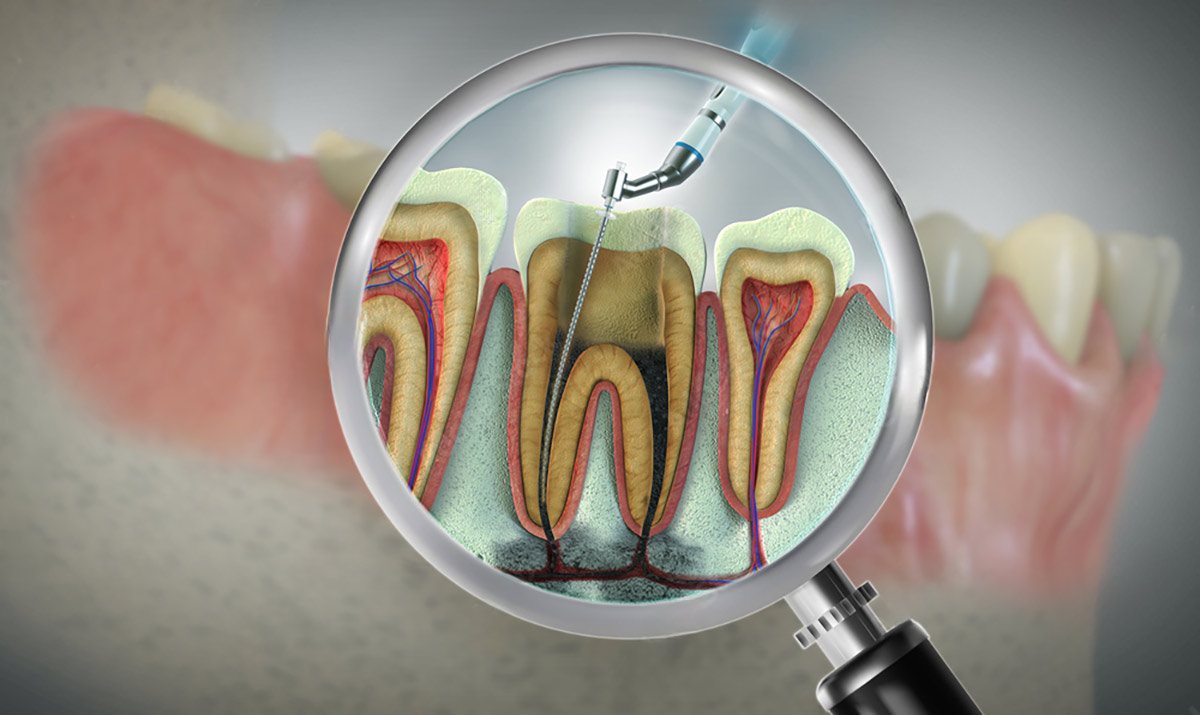
A root canal is a dental procedure that removes infected, inflamed, or dead tissue from the inside of a tooth, specifically the pulp chamber and root canals that house nerves and blood vessels. This process helps relieve pain, stop the spread of infection, and ultimately save the natural tooth from extraction.
You may need a root canal if you experience:
- Persistent toothache
- Sensitivity to hot or cold
- Swelling or abscess near the gum
- Deep decay or trauma to the tooth
Instead of removing the tooth, a root canal allows your dentist to clean and seal the inner canals, preserving your natural tooth structure.
Understanding Tooth Anatomy
Every tooth has:
- Enamel: the hard, outer surface
- Dentin: the middle layer beneath enamel
- Pulp: the soft inner tissue with nerves, blood vessels, and connective tissue
When the pulp becomes infected or damaged, due to deep decay, repeated dental work, cracks, trauma, or large fillings, it can cause severe pain, sensitivity, and swelling. Left untreated, this infection can form an abscess (a pus-filled pocket) and may lead to bone loss or systemic infection.
Root canal treatment is the only way to eliminate the infection while preserving your natural tooth structure.
Why Not Just Pull the Tooth?
While extraction might seem like a quicker fix, removing a tooth can lead to:
- Misalignment of surrounding teeth
- Jawbone loss over time
- Higher costs for replacement options (e.g., implants or bridges)
- Ongoing issues with chewing or speech
Saving the natural tooth through a root canal often provides the best long-term outcome regarding function, comfort, and cost-effectiveness.
Success Rates of Root Canals
Root canal treatments are highly successful, with studies showing a success rate of 85–97%. With good oral hygiene and proper restoration (like a crown), the treated tooth can last as long as your other natural teeth.
Step-by-Step: What to Expect During a Root Canal Procedure
Understanding what happens during a root canal can ease anxiety and help you feel more in control. Below is a detailed, step-by-step breakdown of the typical root canal experience—from preparation to the final filling.
Before You Arrive
Before the actual treatment, your dentist or endodontist will likely:
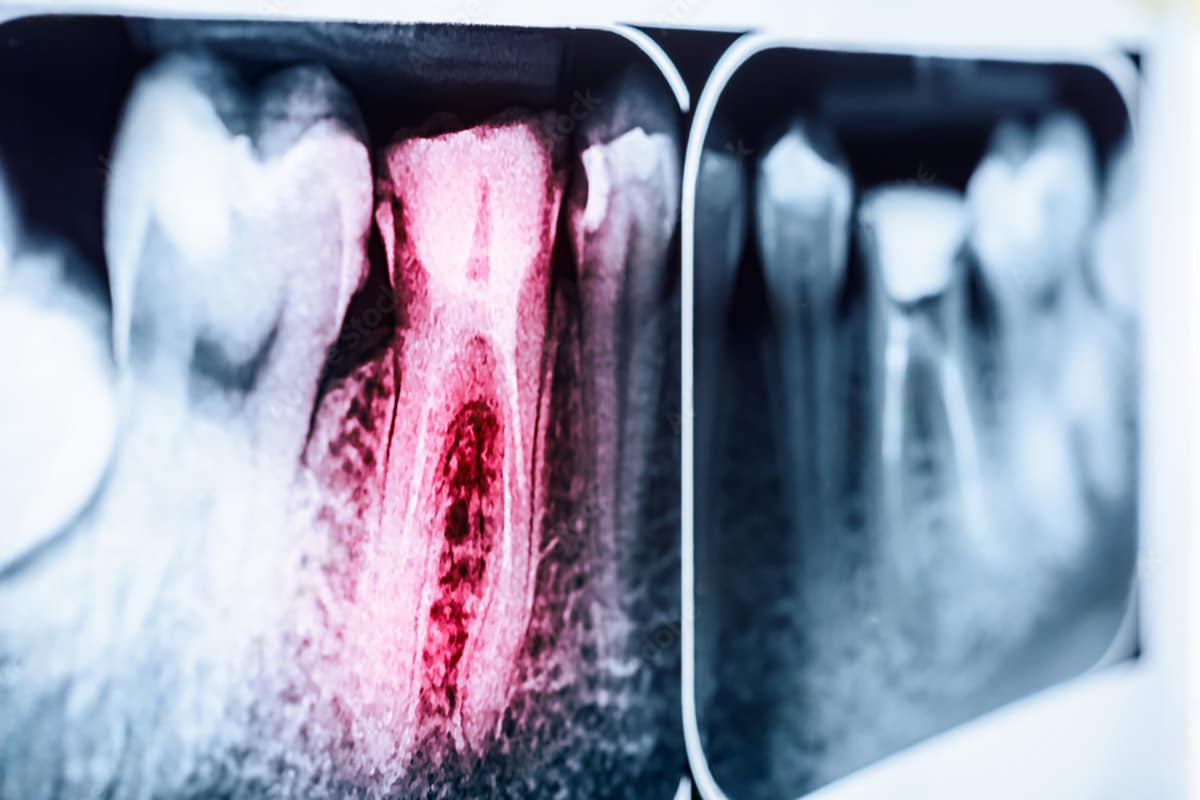
- Review your X-rays to assess the shape of the root canals and identify signs of infection.
- Provide instructions, such as eating beforehand (especially if sedation will be used) and whether to take antibiotics or anti-inflammatory medication.
- Discuss sedation options, especially if you experience dental anxiety. These might include nitrous oxide (laughing gas), oral sedatives, or IV sedation in complex cases.
Tip: Bring headphones and calming music or a podcast if it helps you relax.
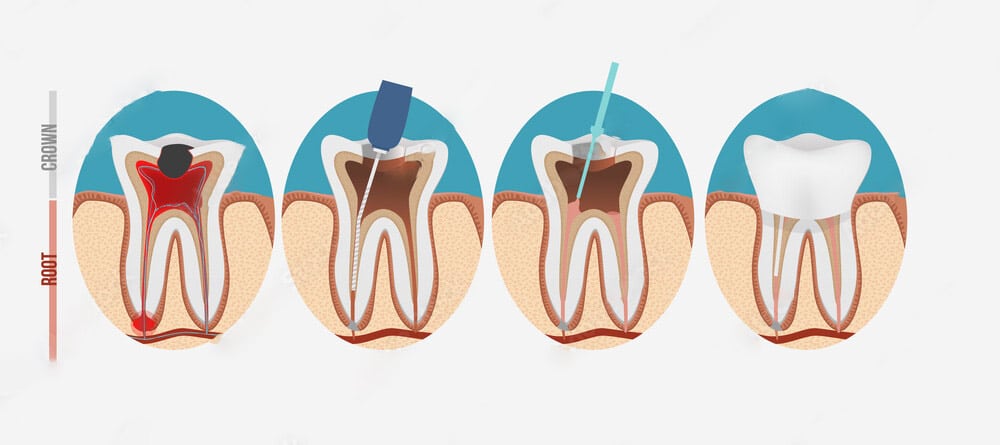
The Root Canal Treatment
With all the preliminary assessment and planning complete, it’s time to begin the actual root canal treatment. You might feel nervous, but don’t worry, root canals aren’t a big deal, and you’ll be out of the dentist’s chair in no time.
Step 1: Numbing the Area
The procedure begins with a local anesthetic injected into the gum near the affected tooth. The numbing process ensures you won’t feel pain during the procedure, although you may feel some pressure.
Despite its reputation, a root canal is usually no more painful than a routine filling thanks to modern anesthesia.
Step 2: Isolating the Tooth
A rubber dam is placed around the tooth to:
- Keep it dry and free of saliva
- Prevent bacteria from re-entering the tooth
- Protect the rest of your mouth during the procedure
This thin sheet of latex or nitrile ensures a sterile field for the dentist to work in.
Step 3: Accessing the Tooth’s Pulp
Using a small drill, the dentist makes an opening through the top (or back, if it’s a front tooth) of the tooth to reach the pulp chamber. This step allows access to the infected or inflamed tissue inside the root canals.
Step 4: Cleaning Out the Canals
Tiny, flexible instruments called endodontic files are used to:
- Remove the infected or dead pulp tissue
- Shape and enlarge the canals for cleaning and filling
- Clear out any debris, bacteria, or remaining nerve fibres
Irrigation with sterile water or an antimicrobial solution is performed throughout to flush out bacteria and prevent further infection.
Some clinics may use advanced cleaning systems like ultrasonic activation or GentleWave® for deeper disinfection.
Step 5: Shaping and Drying the Canals
Once cleaned, the canals are shaped to allow proper filling. The dentist will:
- Measure the depth of the canals using digital X-rays or electronic apex locators
- Dry the inside of the tooth using paper points
Proper shaping ensures no voids or gaps are left behind during sealing.
Step 6: Filling and Sealing
The now-empty canals are filled with a rubber-like biocompatible material called gutta-percha, which is:
- Thermally softened and compacted to fill the canal tightly
- Sealed with a strong adhesive to prevent reinfection
This internal seal is crucial for the long-term success of the root canal.
Step 7: Temporary or Permanent Filling
A permanent composite filling may be placed immediately if your root canal is completed in one visit.
If additional restoration is required (like a crown), a temporary filling will seal the opening until your next appointment.
Optional Step 8: Post-Treatment X-Rays
Your dentist may take final X-rays to confirm:
- All canals have been cleaned and filled
- The shape and depth of the filling are correct
- No infection remains around the tooth’s roots

How Long Does a Root Canal Take?
The time to complete a root canal depends on several factors, including the tooth’s location, the number of roots involved, and whether the infection is complex or straightforward. On average:
Typical Duration
- Front teeth (incisors and canines): 45–60 minutes
- Premolars: 60–75 minutes
- Molars (back teeth with multiple roots): 90–120 minutes
These timeframes include the whole procedure: numbing, pulp removal, cleaning, shaping, and filling the canals. However, if the infection is advanced or the tooth has complex root structures, your dentist may need a second visit to complete the treatment.
Single-visit root canals are becoming more common thanks to modern technology.
Single-Visit vs. Multi-Visit Treatments
Single-Visit Root Canal
- Common for teeth with a straightforward infection and simple anatomy
- Increasingly available thanks to newer technologies like rotary instruments, digital imaging, and GentleWave®
- Benefits: fewer appointments, lower overall cost, and quicker relief
Multi-Visit Root Canal
- Often required for severely infected teeth or retreatments
- The first appointment addresses cleaning and shaping; the second finalizes sealing and restoration
- A medicated paste may be placed inside the canal between visits to help eliminate persistent infection
What Can Delay a Root Canal?
- Severe inflammation or swelling
- Multiple or curved root canals (common in molars)
- Previous failed root canal or hidden canals
- Patient discomfort or difficulty keeping the mouth open for extended periods
If you need multiple appointments, the temporary filling placed after the first visit will protect your tooth until the final sealing.
How Long Between Appointments?
If your treatment requires more than one visit, the second appointment is usually scheduled within 1 to 2 weeks. During this time:
- Your dentist monitors for any lingering infection
- You should follow the aftercare instructions and avoid chewing on the treated side
Don’t rush a root canal just to save time. Even over two visits, a well-executed, properly sealed root canal is far better than a rushed job that could lead to reinfection or future retreatment.
Does a Root Canal Hurt?
The short answer: not anymore.
Root canals have a long-standing (and outdated) reputation for being painful. But thanks to modern dental techniques, effective local anesthesia, and high-tech tools, most patients report little to no pain during the procedure—and many say it’s no worse than getting a cavity filled.
Why People Think It’s Painful
Historically, root canals were done without the numbing agents and advanced tools we have today. The pain people associate with the procedure often comes from the tooth infection itself, not the root canal. In fact, the treatment is what relieves the pain, not causes it.
What You’ll Feel During the Procedure
Before starting, your dentist will completely numb the area with a local anesthetic, so you won’t feel anything beyond slight pressure or vibrations. You’ll be awake, but comfortable and pain-free.
During the procedure, you might notice:
- Mild pressure from the instruments
- Vibration or movement as the canals are cleaned
- Some soreness in your jaw from keeping your mouth open (especially with back molars)
That’s it—no sharp pain or nerve-wracking jolts.
What To Expect After the Root Canal?
It’s normal to experience some mild to moderate soreness for a few days afterward, especially when:
After the anesthetic wears off, it’s common to feel:
- Mild soreness or sensitivity around the treated tooth
- Tenderness when biting or chewing
- Slight inflammation or irritation in the surrounding gums
- Fatigue or slight discomfort from keeping your mouth open during the procedure
These symptoms are normal and temporary, especially if the tooth was infected or inflamed before the root canal. In most cases, the discomfort peaks within 24–48 hours and fades shortly after.
This discomfort is temporary and manageable with:
- Over-the-counter pain relievers like ibuprofen or acetaminophen
- Saltwater rinses to soothe the surrounding gum tissue
- Avoiding hard or chewy foods for a few days
When to Call Your Dentist
While most post-root canal discomfort is minor, call your provider if you experience:
- Severe or worsening pain after 3–5 days
- Swelling that doesn’t improve
- Signs of infection (fever, pus, foul taste or smell)
These may indicate complications like a missed canal, reinfection, or the need for retreatment, which are rare but treatable.
Bottom Line
- During the root canal: you’ll be numb and pain-free
- After the procedure: some soreness is expected but manageable
- Compared to living with a tooth infection: a root canal is a major relief

Recovery Tips & Pain Management After a Root Canal
Recovering from a root canal is usually quick and straightforward, but following a few simple aftercare tips can help you heal faster, stay comfortable, and avoid complications. Most people are back to normal within a few days, but how you care for your tooth in the first 48–72 hours matters.
Avoid Chewing on the Treated Side (for 24–48 Hours)
Your tooth may feel sensitive, especially if only a temporary filling has been placed. Avoid putting pressure on it by chewing with the opposite side of your mouth until discomfort subsides and your permanent crown is in place.
Stick to Soft Foods
Eat gentle, soft foods for the first couple of days:
- Yogurt, smoothies, soup (lukewarm), scrambled eggs, mashed potatoes
- Avoid hard, crunchy, sticky, or hot foods that can irritate the area or dislodge a temporary filling
Let hot foods cool slightly before eating to reduce temperature sensitivity.
Take Pain Relievers as Recommended
Over-the-counter (OTC) medications like ibuprofen (Advil) or acetaminophen (Tylenol) are effective for post-treatment soreness. Some dentists may recommend alternating them for better relief, but always follow your provider’s guidance.
Rinse with Salt Water (but gently)
Saltwater rinses help soothe swollen gums and reduce bacteria:
- Mix ½ tsp salt into a cup of warm water
- Rinse gently 2–3 times per day, especially after meals
Avoid vigorous rinsing or swishing too hard near the treated area.
Practice Gentle Oral Hygiene
- Brush carefully with a soft-bristled toothbrush
- Avoid the treated tooth if it’s tender, but keep the surrounding area clean
- Floss gently to prevent irritation
Cleanliness is key—bacteria near the treated area can lead to reinfection if hygiene is neglected.
Don’t Smoke or Drink Alcohol
Smoking can delay healing, reduce blood flow to the gums, and increase the risk of complications. Alcohol can interfere with healing and medications. It’s best to avoid both for at least 72 hours post-treatment.