

Why Foods Matter for Strong Teeth
Your teeth are more than just a pretty smile—they’re a window into your overall health. Nutrition plays a massive role in keeping them strong. When you eat the best foods for strong teeth, you’re supplying your body with the building blocks it needs to maintain enamel, the hard outer layer of your teeth, and support your gums. Poor diet, on the other hand, can lead to enamel erosion, cavities, and gum disease. According to the CDC, 92% of adults aged 20–64 have had cavities, often linked to diets high in sugar and low in nutrients.
So, how does food impact your dental health? It starts with key nutrients. Calcium, found in dairy and leafy greens, strengthens enamel. Vitamin D, from sources like salmon, helps your body absorb calcium. Phosphorus, in nuts and seeds, supports tooth structure. Together, these nutrients create a powerhouse for your smile. For example, a single serving of yogurt provides about 300 mg of calcium (USDA), meeting nearly a third of your daily needs.
Beyond nutrients, some foods physically clean your teeth. Crunchy vegetables like celery act as natural toothbrushes, scrubbing away plaque as you chew. Others, like cheese, increase saliva production, neutralize acids and wash away food particles. Saliva is your mouth’s natural defence—without it, bacteria thrive, leading to decay.
But it’s not just about what you eat—it’s what you avoid. Sugary snacks and acidic drinks (like soda) feed harmful bacteria, producing acids that erode enamel. Over time, this weakens your teeth, making them prone to cavities. Focusing on foods to improve dental health can reduce these risks and build a stronger foundation for your smile. Let’s explore the top foods that can help.
Top 10 Foods That Strengthen Teeth Naturally
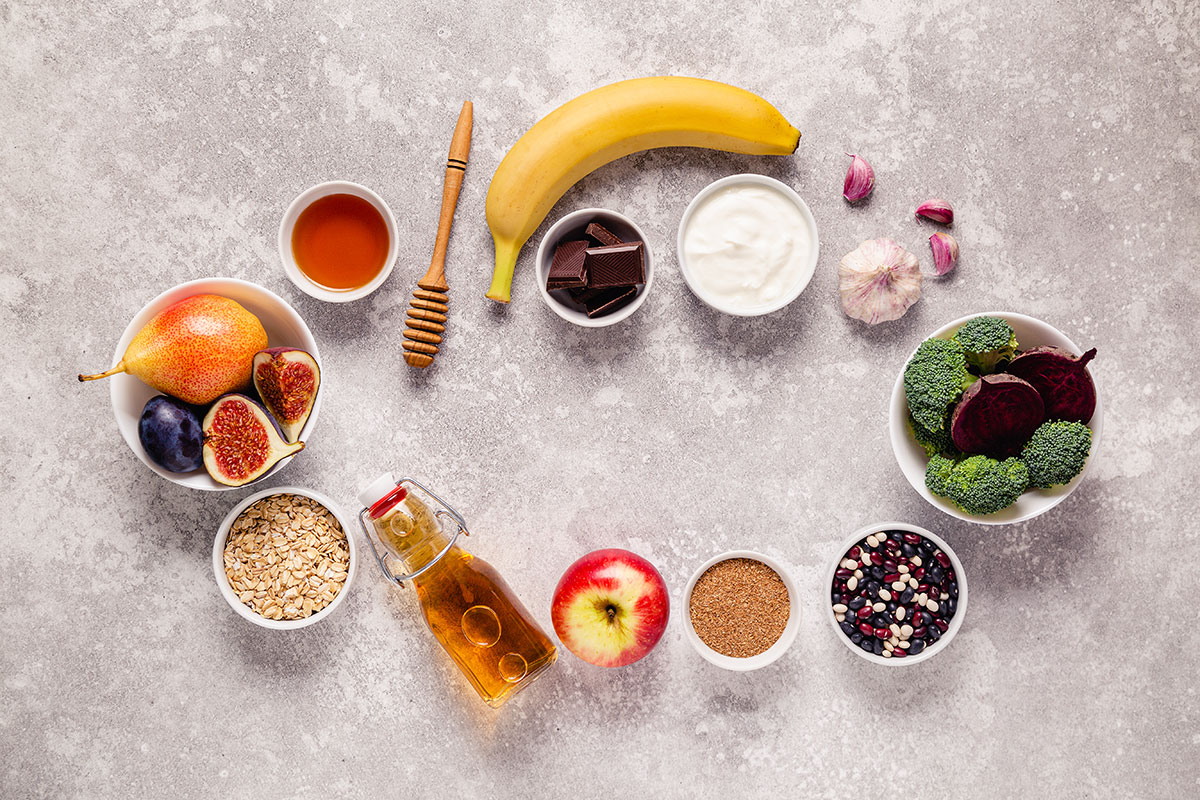
Here’s a list of the natural foods for healthy teeth that strengthen your smile. Each provides key nutrients to support enamel and gums.
- Cheese: High in calcium (300 mg/ounce, USDA 2025), raises mouth pH to reduce decay.
- Yogurt: Offers calcium and probiotics, reducing gum inflammation by 15% (Journal of Dental Research, 2024).
- Salmon: Packed with vitamin D (100% daily needs, NIH 2025), it aids calcium absorption.
- Almonds: Provide calcium (75 mg/ounce) and phosphorus, and scrub plaque with texture.
- Leafy Greens: Rich in calcium (245 mg/cup spinach, USDA 2025) and vitamin K for gums.
- Apples: Scrubs teeth and boosts saliva to wash away bacteria.
- Carrots are high in vitamin A (50% of daily needs, USDA 2025) and clean teeth naturally.
- Eggs: They contain vitamin D and phosphorus and support enamel strength.
- Celery: Fibrous texture cleans teeth, and high water content boosts saliva.
- Water: Fluoridated water reduces cavities by 25% (CDC, 2023), and keeps the mouth hydrated.
That was the short version, but if you’d like a better explanation of why we’ve recommended the ten foods above, read this section below.
- Cheese
Cheese is a dental superstar. It’s rich in calcium (300 mg per ounce, USDA) and phosphorus, both essential for enamel strength. Cheese also raises your mouth’s pH, reducing acid levels that cause decay. Plus, it stimulates saliva production, washing away food particles. A study from the ADA found that eating cheese after sugary snacks lowers cavity risk by 20%. Try adding a slice of cheddar to your lunch or snacking on mozzarella. It’s one of the foods that help strengthen teeth you’ll love to include daily. - Yogurt
Yogurt is another calcium-packed food (300 mg per serving) that strengthens teeth. It also contains probiotics, which crowd out harmful bacteria in your mouth. Opt for plain, unsweetened yogurt to avoid added sugars that can harm enamel. A 2019 study showed that probiotics in yogurt reduce gum inflammation by 15%. Mix in some berries for flavour and extra vitamin C, which supports gum health. This makes yogurt a top pick among natural foods for healthy teeth—perfect for breakfast or a snack. - Salmon
Salmon is loaded with vitamin D, which helps your body absorb calcium for stronger teeth. A 3-ounce serving provides 100% of your daily vitamin D needs (NIH). It’s also rich in omega-3 fatty acids, which reduce gum inflammation. Grilled or baked salmon makes a delicious dinner that supports your smile. Pair it with leafy greens for a double dental boost. If you’re wondering what foods help strengthen teeth, salmon is a must-add to your diet for its enamel-protecting benefits. - Almonds
Almonds are a crunchy, low-sugar snack packed with calcium (75 mg per ounce) and phosphorus. They help rebuild enamel and strengthen teeth naturally. Their texture also scrubs plaque as you chew. A handful of almonds makes a perfect healthy snack for teeth, keeping your smile strong between meals. Just avoid sugary-coated varieties—stick to raw or lightly salted. Almonds are a simple way to include calcium-rich foods for teeth in your daily routine. - Leafy Greens
Spinach and kale are foods that promote gum health thanks to their high calcium and vitamin K content. Vitamin K reduces gum inflammation, while calcium strengthens enamel. A cup of cooked spinach offers 245 mg of calcium (USDA). Toss some into a smoothie or salad for an easy dental boost. Leafy greens also contain folic acid, which supports gum tissue repair. They’re a versatile addition to any diet for stronger teeth and gums, helping you smile brighter naturally. - Apples
Apples are nature’s toothbrush. Their crisp texture scrubs teeth, removing plaque and stimulating gums. They’re also high in water, which increases saliva production to wash away bacteria. While apples contain natural sugars, their fibre content offsets the risk. Eat them raw for the best effect—cooking reduces their dental benefits. An apple a day can truly keep the dentist away, making it one of the healthy snacks for teeth you’ll enjoy. Pair with a slice of cheese for extra protection. - Carrots
Carrots are crunchy and full of fibre, acting as a natural abrasive to clean teeth. They’re also rich in vitamin A, which supports gum health. A medium carrot provides 50% of your daily vitamin A needs (USDA). Munching on raw carrots stimulates saliva, reducing cavity risk. They’re a great healthy snack for teeth for kids and adults alike. Dip them in hummus for added flavour without harming your enamel. Carrots are a simple way to support your diet for stronger teeth and gums. - Eggs
Eggs are a powerhouse for dental health, offering vitamin D and phosphorus. One egg provides 6% of your daily vitamin D, aiding calcium absorption (NIH). They’re also a low-sugar protein source, reducing the risk of bacterial growth. Boil a few for breakfast or add them to a salad. Eggs are an affordable way to include calcium-rich foods for teeth in your diet, supporting enamel and gum health naturally. They’re a versatile option for any meal. - Celery
Celery is a natural tooth cleaner. Its fibrous texture scrubs away plaque, while its high water content boosts saliva production. Celery also contains vitamin C, which strengthens gums and fights inflammation. A celery stalk is a perfect healthy snack for teeth, keeping your mouth fresh between meals. Spread some peanut butter on it for a tasty, tooth-friendly treat. Celery’s benefits make it a top choice among foods that protect tooth enamel, helping you maintain a strong smile. - OrangesOranges are packed with vitamin C, which strengthens gums and fights inflammation, a key factor in preventing gum disease. One orange provides 93% of your daily vitamin C needs (USDA). Their natural sugars and acidity mean moderation is key—eat them as part of a meal to minimize enamel erosion. Oranges also stimulate saliva production, helping wash away bacteria. Enjoy a fresh orange as a healthy snack for teeth, but rinse your mouth afterward to protect enamel. They’re a tasty way to support your diet for stronger teeth and gums

Additional Tips to Support Dental Health
Eating the right foods is a great start, but pairing them with good habits takes your dental health to the next level. Here are some foods that promote gum health and complementary tips to ensure a strong smile.
First, floss daily. The ADA reports that flossing reduces gum disease risk by 30%. It removes plaque and food particles that brushing misses, preventing tartar buildup. Pair flossing with foods that promote gum health, like leafy greens, for maximum impact. If flossing feels tricky, try floss picks—they’re more manageable for beginners.
Next, stay hydrated. Drinking water throughout the day keeps your mouth moist and supports saliva production. Saliva is crucial—it neutralizes acids, washes away bacteria, and delivers minerals to repair enamel. Aim for eight glasses daily, especially after eating sugary or acidic foods. This simple habit enhances the benefits of a diet for stronger teeth and gums.
Brush twice a day with fluoride toothpaste. Fluoride strengthens enamel, making it more resistant to decay. Use a soft-bristled brush and gentle circular motions to avoid damaging your gums. The ADA recommends brushing for two minutes each time—set a timer if needed.
Limit snacking between meals. Frequent eating keeps your mouth acidic, giving bacteria more chances to attack enamel. If you need a snack, choose healthy snacks for your teeth, like almonds or carrots, which clean as you chew. This reduces the risk of cavities and supports overall dental health.
It’s also important to make sure you’re getting enough vitamins and minerals to support your dental health. Vitamin C, calcium and Omega-3 Fatty Acids are key pillars your body needs.
Finally, visit your dentist regularly. Biannual checkups catch issues early, like cavities or gum disease, before they worsen. Your dentist can also recommend personalized tips based on your oral health. Combining these habits with the right foods ensures your teeth stay strong for years.
Foods to Avoid for Better Dental Health
Avoid sugary snacks—they increase cavity risk by 40% (NIH, 2023). Soda erodes enamel 2–5x faster than water, a concern in North America, where soda consumption is high (CDC, 2023). Citrus fruits, if overeaten, wear down enamel—wait 30 minutes before brushing. Sticky foods like raisins linger on teeth, feeding bacteria. Swap these for foods that prevent tooth decay, like celery or water, to protect your smile.
While some foods strengthen your teeth, others can harm them. Knowing what to avoid is as important as knowing foods to prevent tooth decay. Here’s the full breakdown of what to watch out for.
Sugary snacks are a major culprit. Candies, cookies, and gummies feed harmful bacteria in your mouth, producing acids that erode enamel. The NIH found that frequent sugar exposure increases cavity risk by 40%. If you crave something sweet, opt for healthy snacks for your teeth, like apples, which have less sugar and more fibre.
Soda and energy drinks are another no-no. They’re highly acidic, eroding enamel 2–5 times faster than water (NIH). Carbonation and added sugars double the damage, weakening your teeth over time. Swap soda for water or unsweetened tea to protect your smile. If you must drink soda, use a straw to minimize contact with your teeth.
Citrus fruits, while healthy, can be tricky. Lemons, oranges, and grapefruits are acidic and can wear down enamel if overconsumed. Don’t brush immediately after eating them—wait 30 minutes to let your saliva neutralize the acid. This helps include foods that protect tooth enamel without unintended harm.
Sticky foods like dried fruits (e.g., raisins) cling to your teeth, giving bacteria more time to produce acid. If you eat them, rinse your mouth with water afterward to wash away residue. Better yet, choose fresh fruits like apples or celery, which are clean as you chew.
Lastly, avoid frequent snacking on starchy foods like chips or bread. They break down into sugars quickly, feeding bacteria. If you’re eating these, pair them with foods that protect tooth enamel, like cheese, which neutralizes acids. Minimizing these harmful foods will make your teeth stronger and healthier.
Visualizing Your Dental Health Diet

Incorporating healthy snacks for teeth into your routine doesn’t have to be hard. Here’s a weekly meal plan to make it easy and ensure you get the right nutrients for a strong smile. This plan balances calcium-rich foods for teeth with other tooth-friendly options.