

Common Signs Your Child May Need Braces
While the need for braces often becomes evident in the teenage years, some signs can be detected much earlier. Below are the most common indicators that your child might require orthodontic treatment:
Crowded or Crooked Teeth
If your child’s teeth appear crowded or overlapping, this could be a sign that they don’t have enough space in their jaw for all of their teeth to align properly. Crowding is one of the most common reasons children need braces. In many cases, early intervention can prevent the issue from worsening.
Gaps Between Teeth
While gaps between baby teeth are natural and usually close once permanent teeth emerge, large gaps between permanent teeth may indicate the need for braces. If these gaps persist, they can cause issues with bite alignment and overall dental health.
Bite Misalignment (Overbite, Underbite, Crossbite, Open Bite)
Bite misalignment occurs when the upper and lower teeth do not properly fit. There are several types of misalignment:
- Overbite: When the upper front teeth overlap the lower front teeth excessively.
- Underbite: When the lower front teeth protrude past the upper front teeth.
- Crossbite: When the upper teeth bite inside the lower teeth.
- Open bite: When the upper and lower front teeth do not touch, leaving a gap when the mouth is closed.
These issues can lead to jaw discomfort, difficulty chewing, and uneven wear on the teeth. Braces or other orthodontic treatments can help correct these bite issues.
Difficulty Biting or Chewing
If your child struggles to bite into or chew food, it could be due to teeth misalignment. This issue may go unnoticed by the child, but over time, it can lead to problems with eating, speech, and overall oral function.
Thumb-Sucking or Prolonged Pacifier Use
Extended thumb-sucking or pacifier use can affect the alignment of your child’s teeth and jaws, potentially causing an open bite or protrusion of the front teeth. If your child has had these habits beyond the age of 3, orthodontic evaluation may be necessary.
Early or Late Loss of Baby Teeth
The timing of baby tooth loss plays a significant role in determining how well permanent teeth grow in. If baby teeth fall out too early or too late, it can create space issues or lead to crooked teeth. This irregularity is often corrected with braces or other orthodontic treatments.
Speech Impediments
If your child has difficulty pronouncing certain words or sounds, it could be due to teeth or jaw alignment issues. Orthodontic treatments, such as braces or palate expanders, can help correct the teeth’ position, improving speech.
Jaw Pain or Clicking Jaws
Jaw pain or a clicking sound, when your child opens or closes their mouth, could be a sign of jaw misalignment. Orthodontic treatment may be necessary to realign the jaw and eliminate discomfort.
Teeth Grinding
If your child grinds their teeth, particularly at night (a condition known as bruxism), it could indicate a bite issue. Grinding can lead to tooth damage, headaches, and jaw pain. Braces or other orthodontic treatments can help correct the bite and prevent further problems.
Mouth Breathing
Children who habitually breathe through their mouth instead of their nose, especially while sleeping, may develop orthodontic issues such as a narrow upper jaw or misaligned teeth. This condition can be addressed with orthodontic appliances or braces.
Addressing Orthodontic Issues As Early As Possible
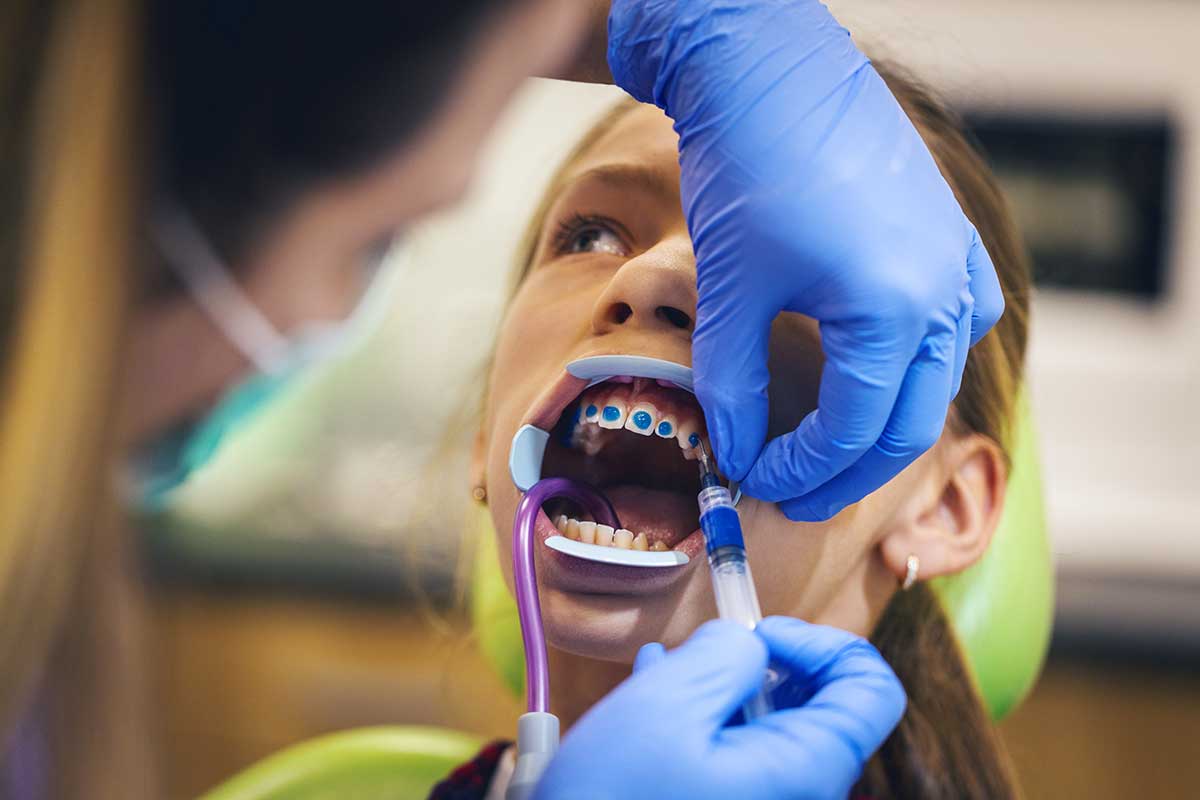
Most orthodontic treatments will take place once your child has had all their adult teeth come in. However, orthodontic treatment can be recommended before a child has all their adult teeth. This early intervention is known as Phase 1 or early orthodontic treatment, and it typically occurs between the ages of 6 and 10, when children still have a mix of baby and permanent teeth.
There are several reasons why orthodontists may recommend treatment at this stage:
Guiding Jaw Growth and Development
Early orthodontic treatment can help correct jaw alignment issues, such as an overbite, underbite, or crossbite, while the child’s jaw is still growing. This can prevent more serious problems from developing as the child gets older. By guiding jaw growth early, orthodontists can create enough space for adult teeth to come in properly, potentially avoiding the need for more invasive procedures later, such as tooth extractions or jaw surgery.
Correcting Harmful Oral Habits
Habits like thumb-sucking, prolonged pacifier use, or tongue thrusting can lead to dental issues such as open bites or misaligned teeth. Early orthodontic treatment can help correct the effects of these habits and prevent long-term damage to the developing teeth and jaw.
Preventing Crowding and Misalignment
If a child’s baby teeth come out too early or too late, there might not be enough room for their permanent teeth to erupt properly. Space maintainers or early braces can help guide the eruption of permanent teeth into their correct positions and prevent severe crowding or misalignment later on.
Reducing the Severity of Future Treatment
By addressing orthodontic problems early, Phase 1 treatment can reduce future treatments’ complexity, length, and cost. In many cases, early intervention makes it easier to achieve the desired results. It can lead to a shorter duration of braces during Phase 2 treatment, which typically occurs after all permanent teeth have come in.
Boosting Confidence and Function
In some cases, early orthodontic treatment can improve the appearance of a child’s smile and correct functional issues like difficulty chewing or speaking. This can boost a child’s self-esteem and oral function during critical developmental years.
Phase 1 vs. Phase 2 Treatment
- Phase 1 Treatment: Occurs while the child still has some baby teeth and is designed to correct significant issues early on.
- Phase 2 Treatment: Takes place after all permanent teeth have erupted, usually between the ages of 11 and 14, and focuses on final alignment and bite correction.
Phase 1 Orthodontic Treatment Explained
What is Phase 1 Orthodontic Treatment?
Phase 1 orthodontic treatment, also known as early interceptive treatment, is a type of orthodontic care designed for children who still have a mix of baby (primary) teeth and permanent teeth. Typically recommended between the ages of 6 and 10, Phase 1 treatment aims to address specific orthodontic problems early on during the child’s growth and development. By starting treatment at this stage, orthodontists can guide the growth of the jaw and teeth, potentially preventing more serious issues later in life.
Orthodontic Problems Addressed by Phase 1 Treatment
Phase 1 treatment is particularly effective in addressing issues such as:
- Severe crowding: When there’s not enough room in the mouth for permanent teeth to erupt correctly.
- Jaw misalignment: Problems like an overbite, underbite, crossbite, or open bite can be corrected while the jaw is still developing.
- Prolonged thumb-sucking or pacifier use: These habits can affect tooth alignment, and early treatment can help correct any resulting issues.
- Early or late loss of baby teeth: Losing baby teeth too early or too late can affect the proper eruption of permanent teeth, requiring early intervention.
- Narrow arches: Problems with the width of the upper or lower jaw can be corrected with appliances like palatal expanders, making room for permanent teeth to come in properly.
Duration of Phase 1 Treatment
Phase 1 orthodontic treatment usually lasts between 9 and 18 months, depending on the severity of the corrected issues. During this time, children may wear partial braces, expanders, or other appliances that help guide the teeth and jaw into proper alignment. Regular check-ups with the orthodontist ensure that the treatment is progressing as planned.
What Happens After Phase 1 Treatment?
Once Phase 1 treatment is complete, the child typically enters a resting period during which no active treatment is administered. This allows the remaining permanent teeth to erupt naturally. During this time, the orthodontist closely monitors the child’s oral development to ensure everything is progressing correctly. Sometimes, the child may need to wear a retainer to maintain the progress made during Phase 1.
After the resting phase, once all the permanent teeth have erupted (typically between ages 11 and 14), a second phase of treatment, called Phase 2 orthodontic treatment, may be required to refine the alignment of the teeth further and bite. Phase 2 treatment usually involves full braces or clear aligners and is focused on achieving long-term dental stability and aesthetics.
Phase 1 treatment offers an important opportunity to address orthodontic problems early, reducing the complexity and duration of treatments later in adolescence.
Other Forms of Orthodontic Treatment
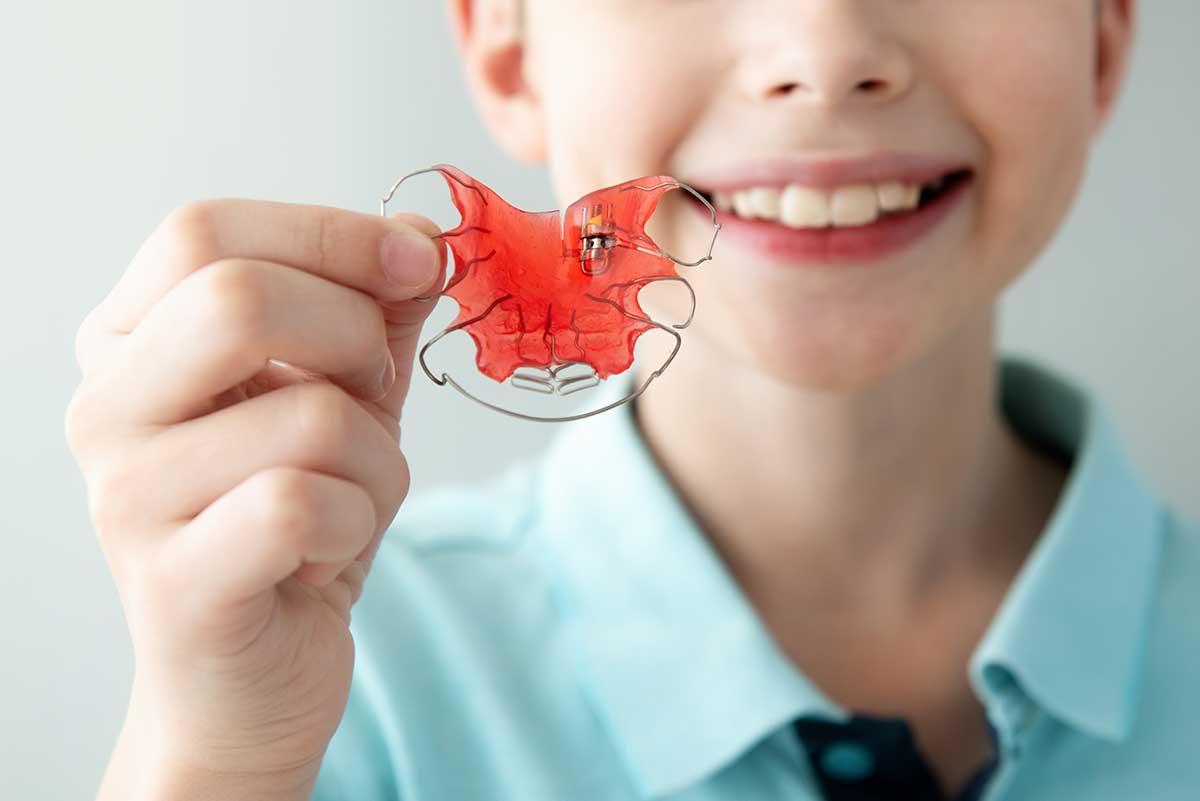
While braces are the most common form of orthodontic treatment, there are other options depending on the specific needs of your child:
Clear Aligners (e.g., Invisalign)
Clear aligners are transparent, removable trays that gradually straighten teeth without the need for traditional metal braces. Aligners are popular among teens and adults due to their discreet appearance. However, they require discipline, as they must be worn for 20-22 hours a day to be effective.
Palatal Expanders
If your child has a narrow upper jaw or overcrowding, a palatal expander can be used to widen the jaw and create space for the teeth to grow in properly. This is typically used in younger children before all their permanent teeth have come in.
Retainers
After the completion of orthodontic treatment, whether with braces or aligners, retainers are essential to maintain the new alignment of the teeth. There are two types: fixed retainers (bonded to the back of the teeth) and removable retainers (worn at night).
Space Maintainers
If your child loses a baby tooth prematurely, a space maintainer can be used to hold the space open until the permanent tooth is ready to come in. This prevents surrounding teeth from shifting into the empty space.
Finding Orthodontic Help for Your Child
Once you notice any signs that your child may need braces or another orthodontic treatment, the next step is to find professional orthodontic help. Here’s how to get started:
Consult Your Child’s Dentist
Your child’s general dentist is the first to consult when you notice potential orthodontic issues. Dentists often refer patients to orthodontists when they believe treatment is necessary. Most dentists recommend an orthodontic evaluation for children by the age of 7, even if no major issues are visible yet.
Schedule an Orthodontic Consultation
An orthodontist specializes in diagnosing and treating teeth and jaw misalignment issues. During your child’s consultation, the orthodontist will perform a thorough evaluation, including X-rays, to determine the extent of the problem and develop a customized treatment plan.
Explore Treatment Options and Costs
Orthodontic treatments can vary in cost depending on the type of treatment, the issue’s complexity, and the treatment length. Many orthodontists offer payment plans to make the cost more manageable. Be sure to ask about all available options and any potential out-of-pocket costs.
Consider Early Treatment
Early orthodontic intervention can prevent more extensive treatment for some children later. Early treatment, also known as Phase I orthodontics, typically begins when a child still has a mix of baby and permanent teeth. It helps address significant alignment or bite issues early, establishing a smoother treatment process during adolescence.
Early Detection Is Key

Understanding the signs that your child may need braces or other orthodontic treatments is crucial for ensuring timely intervention. Whether it’s crowded teeth, a misaligned bite, or issues with chewing or speaking, early detection can help prevent more serious problems later in life. By consulting with your dentist and orthodontist, you can ensure your child receives the care they need for a healthy, functional, and beautiful smile.
For parents concerned about their child’s orthodontic health, scheduling an evaluation by the age of 7 can make a world of difference. Orthodontic treatment is an investment in your child’s long-term oral health and confidence.
If you’re noticing any of these signs, contact a trusted orthodontist today to explore your options and take the first step toward a straighter, healthier smile for your child.