

The importance of oral hygiene with braces
The importance of oral hygiene is magnified for people wearing braces or other orthodontic appliances. Braces and other appliances are made of brackets, wires, mouthguards, etc., and these create additional surfaces for food particles and plaque to accumulate. They also create many more nooks, crannies, and tight spaces that harbour bacteria and are difficult to clean.
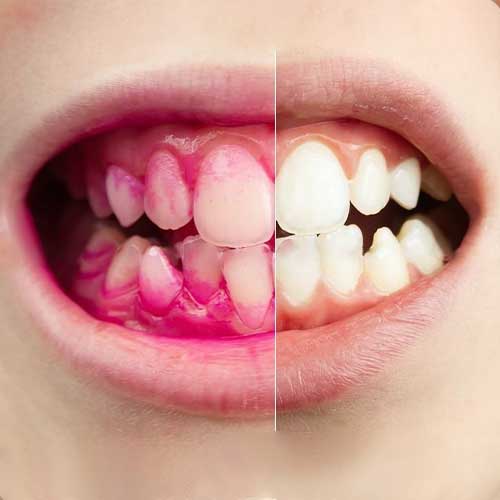
Poor oral hygiene with braces greatly increases the risk of developing cavities, gum disease, and white spot lesions—unsightly marks that appear when enamel starts to decalcify. These issues might not only prolong your orthodontic treatment but also compromise the final results, leading to permanent damage that might require further dental work. Maintaining and even intensifying your oral hygiene practices is crucial for ensuring a healthy mouth and achieving the best possible outcome from your orthodontic treatment. There is extra care required, but by dedicating time to proper brushing, flossing, and regular dental check-ups, you can prevent complications and pave the way for a beautiful, healthy smile once your braces come off.
Tips for a daily braces cleaning routine
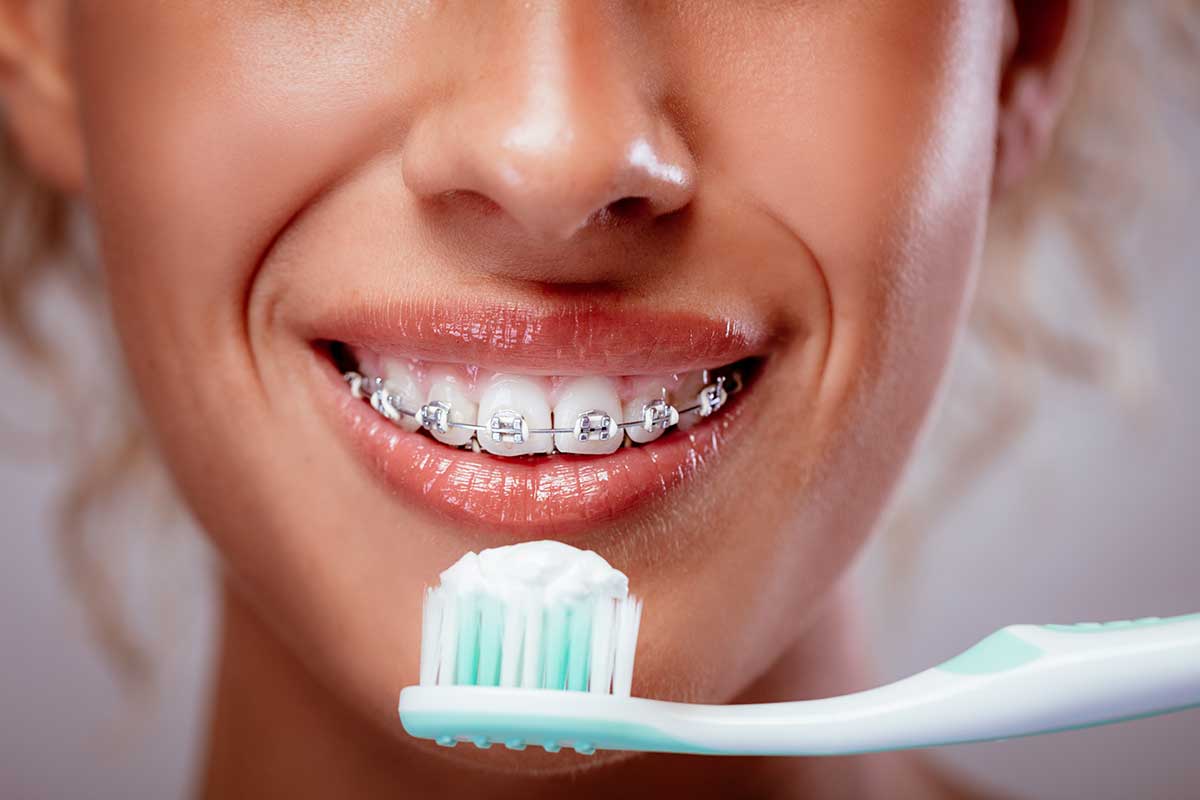
Establishing a proper daily cleaning routine is the backbone of maintaining optimal oral hygiene with braces and other orthodontic appliances. With the right techniques and tools, you can effectively remove food particles and slow the formation of plaque. We recommend developing a routine so that taking care of your mouth becomes second nature, and you won’t forget to do it.
Here are some essential tips to help you keep your teeth and braces clean every day:
Brush after every meal: When brushing teeth with braces, always use a soft-bristled toothbrush and fluoride toothpaste to brush after every meal. Remember to take your time, pay extra attention to the brackets and wires, and make sure you get rid of any food particles trapped there.
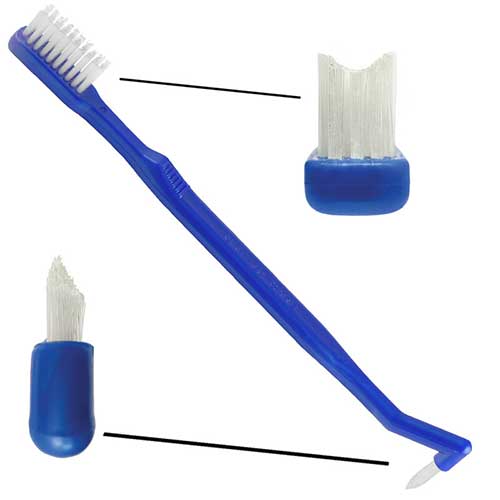
Pro tip – Consider using an orthodontic toothbrush or an electric toothbrush with a special head designed to clean around braces more effectively. You’ll save time too.
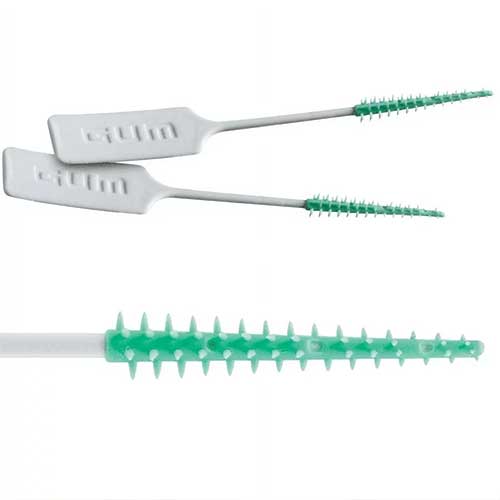
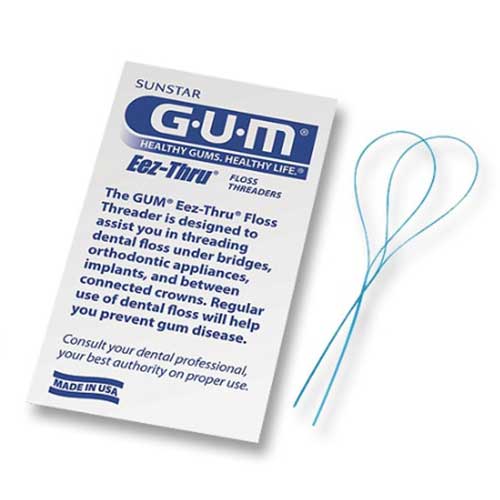
Floss daily: Flossing with braces is crucial to remove food particles and plaque between your teeth. You’ll likely need to use floss threaders, orthodontic floss, or a water flosser to make the process easier and more effective.
Rinse with mouthwash: After brushing and flossing, using mouthwash with braces kills bacteria and keeps your breath fresh. Look for mouthwashes that are alcohol-free and designed for braces.
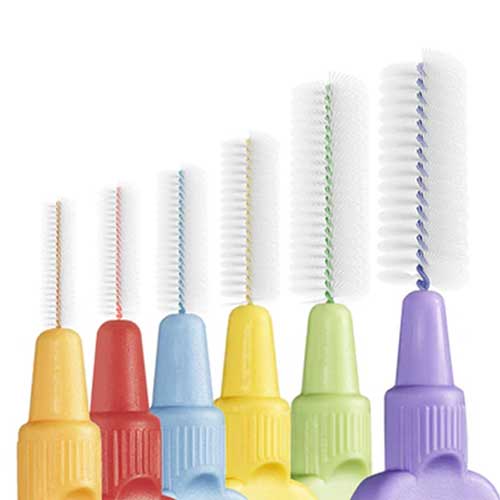
Interdental brushes: Use interdental brushes to clean between the braces and under the wires. These small brushes can reach areas that your regular toothbrush might miss. You should do this after every meal.
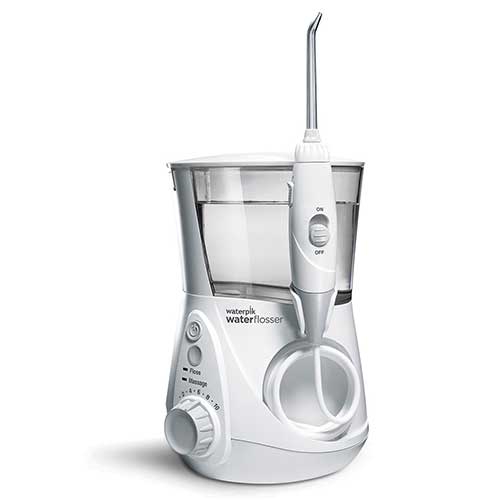
Invest in a Waterpik (water flosser): Using a Waterpik for braces makes dislodging food particles from tight spots much easier and less time-consuming. We recommend using the water flosser first, then following up with a toothbrush and mouthwash rinse.
Check for loose brackets or wires: Regularly inspect your braces for loose brackets or wires. If you find any issues, contact your orthodontist promptly to get them fixed. Damage to your orthodontic appliance can not only affect the treatment process but also cause injury.
Avoid certain foods: Avoid sticky, hard, or sugary foods, which can easily damage your braces or other appliances and contribute to plaque buildup.
Are there any specialized cleaning tools for braces
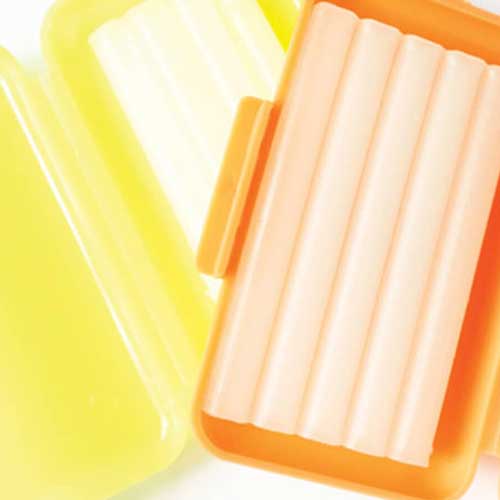
Several specialized tools are designed to make cleaning braces and orthodontic appliances more effective and convenient. These tools help ensure thorough cleaning around brackets, wires, and other orthodontic components, reducing the risk of dental problems during treatment. They boost efficiency, add convenience, and offer better protection for your oral health. While not all need to make it into your cleaning routine, we definitely recommend trying some out to see if they help you keep your mouth clean.
progressing correctly

Dietary considerations while wearing braces
Maintaining a braces-friendly diet can greatly help protect teeth and orthodontic appliances and ensure successful treatment.
While wearing braces, the main thing is to avoid foods that can damage the brackets, wires, and bands. Hard foods like nuts, popcorn, and ice can break or dislodge braces components, while sticky foods such as caramel, chewing gum, and taffy can get stuck in the braces and are challenging to clean out, leading to increased plaque buildup and potential tooth decay.
Additionally, sugary foods and drinks should be consumed in moderation, as they can contribute to cavities and white spot lesions around the braces. At the very least, make sure to rinse and, if possible, brush your teeth after having something sweet.
It’s best to focus on consuming soft, easy-to-chew foods like dairy products, soft fruits, cooked vegetables, lean proteins, and whole grains. Mindful food choices can help maintain the integrity of your braces, reduce the risk of dental issues, and ensure a smoother, more effective orthodontic treatment.
Taking care of common issues related to wearing braces
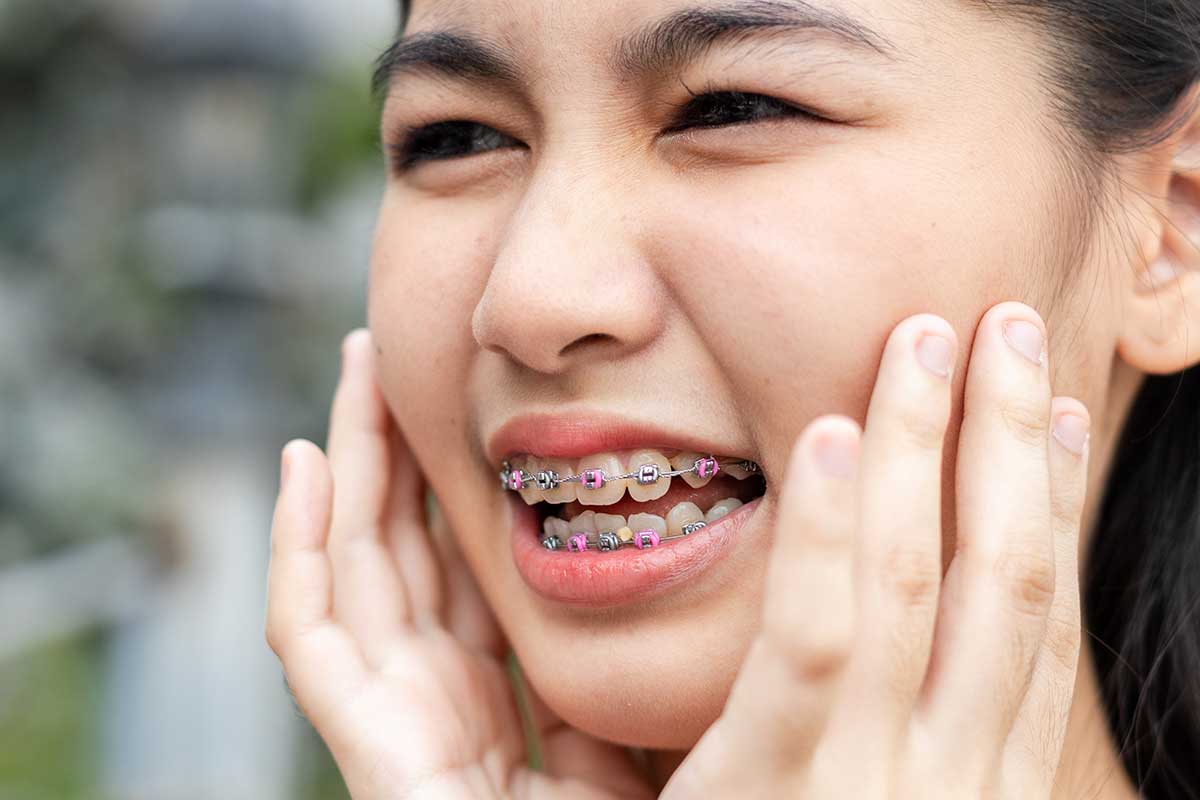
You’re on your way to a healthy, straight, beautiful smile, but you might encounter a few common issues as you wear your braces or orthodontic appliance. Understanding these potential problems and how to address them can help ensure a smoother orthodontic experience.
Discomfort and soreness
When braces are first applied or adjusted, it’s common to experience soreness and discomfort as your teeth begin to move.
Solution: Over-the-counter pain relievers, salt water rinses, and hot or cold beverafes can help reduce soreness temporarily until your jaws and teeth get used to the new orientation.
Mouth sores, cuts and irritation
The brackets and wires of braces and retainers often rub against the inside of your cheeks and lips, causing sores and irritation.
Solution: Applying orthodontic wax to the troublesome areas and using an antiseptic mouth rinse can help reduce irritation. Mild painkillers like Advil or Tylenol can help as well.
Difficulty eating with braces
Chewing certain foods can be challenging and uncomfortable, especially after getting braces or adjustments.
Solution: Stick to soft foods like yogurt, mashed potatoes, and smoothies during these times, and gradually reintroduce harder foods as you adapt.
Plaque buildup and removal
As mentioned, braces create extra surfaces where food particles and plaque can accumulate, increasing the risk of cavities and gum disease.
Solution: Maintain a diligent oral hygiene routine, including brushing after every meal, flossing daily, and using mouthwash.
Loose or broken brackets and wires
Eating hard or sticky foods or accidental impacts can cause brackets to come loose or wires to break.
Solution: Avoid risky foods and activities, and contact your orthodontist promptly if you experience any breakages.
Tooth decalcification and white spots
A poor oral hygiene routine can demineralize enamel around the brackets, resulting in white spots. The last thing you want is to have gone through the treatment process and achieved a straight smile only to realize your teeth are marked with white spots where the brackets were attached.
Solution: Use fluoride toothpaste, ensure a thorough oral hygiene routine, and minimize sugary foods and drinks.
Bad breath while wearing braces
Unfortunately, if food particles become trapped in braces it can lead to bad breath if not adequately cleaned.
Solution: Regular brushing, flossing, and using an antibacterial mouthwash can help keep your breath fresh.
Elastic bands issues
Some patients may need to wear elastic bands on their braces or appliances, which can snap or become loose.
Solution: Always carry extra elastics and learn to replace them correctly; follow your orthodontist’s instructions.
Difficulty speaking normally
Braces can affect how you speak, particularly if you have lingual braces or orthodontic appliances. Luckily, this normally goes away once patients get used to wearing the braces or appliances.
Solution: Practice speaking, read aloud, and be patient as your mouth adjusts to the braces.
Stained teeth
Certain foods and drinks, like coffee, tea, and berries, can stain the teeth and braces. This can still happen normally, but the problem is exasperated while wearing braces that trap particles against your teeth.
Solution: Limit consumption of staining foods and drinks and maintain good oral hygiene practices.
Having professional dental care with braces
We can’t stress enough how important it is to get regular dental check-ups and professional cleanings while wearing an orthodontic appliance. You’ll already be scheduled to see your orthodontist regularly for progress checks and the adjustments that move the treatment process forward, but being extra diligent about oral hygiene is necessary too.
Seeing your dentist regularly means any issues will be caught early on, your oral hygiene will be at its best with thorough cleanings, and you’ll be in a better position to prevent long-term damage to your teeth.
Maintaining oral hygiene with clear aligners
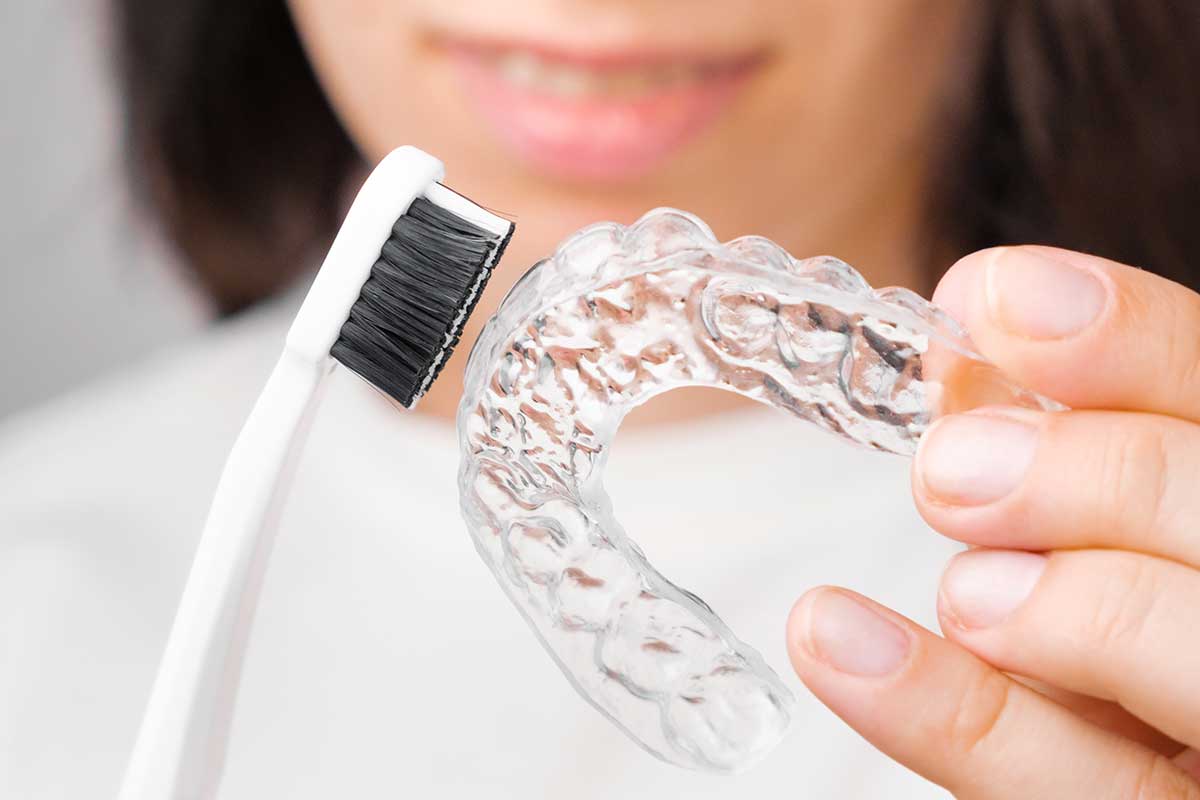
Taking care of your oral hygiene while wearing orthodontic appliances such as clear aligners is as important as when braces are installed. It’s also a similar process, albeit much easier, as the aligners are removable.
Here are some steps to follow that will help ensure you benefit from optimal oral hygiene:
Always clean aligners regularly
Practice daily maintenance by cleaning your aligners every time you remove them to prevent bacteria and plaque buildup. Use a soft-bristled toothbrush and clear, mild soap. Avoid using toothpaste, as it can be abrasive and scratch the aligners.
Also, soak your aligners in a recommended cleaning solution or a mixture of water and vinegar (equal parts) for about 15-30 minutes daily to keep them fresh and bacteria-free.
Rinse, brush, and floss your teeth thoroughly
Even though your aligners are removable for eating and drinking, it’s still recommended that you rinse, brush, and floss your teeth before replacing them in your mouth. This will help prevent bacteria from getting trapped underneath the aligners and prevent them from being washed away by saliva.
Handle your aligners with care
Your aligners are quite fragile and need to be treated properly when not being worn. Always store them in a protective case to avoid damage and exposure to bacteria.
Keep to your treatment plan
Always follow your orthodontists’ instructions, making sure to wear your aligners for the correct amount of time and replace them on schedule. For aligners to be effective, they need to be worn correctly and replaced with the next stage at the correct point.
Schedule regular dental checkups
It’s important that you see both your hygienist/dentist and orthodontist regularly. The former will ensure oral health and hygiene, and the latter will ensure that your treatment is progressing correctly.