

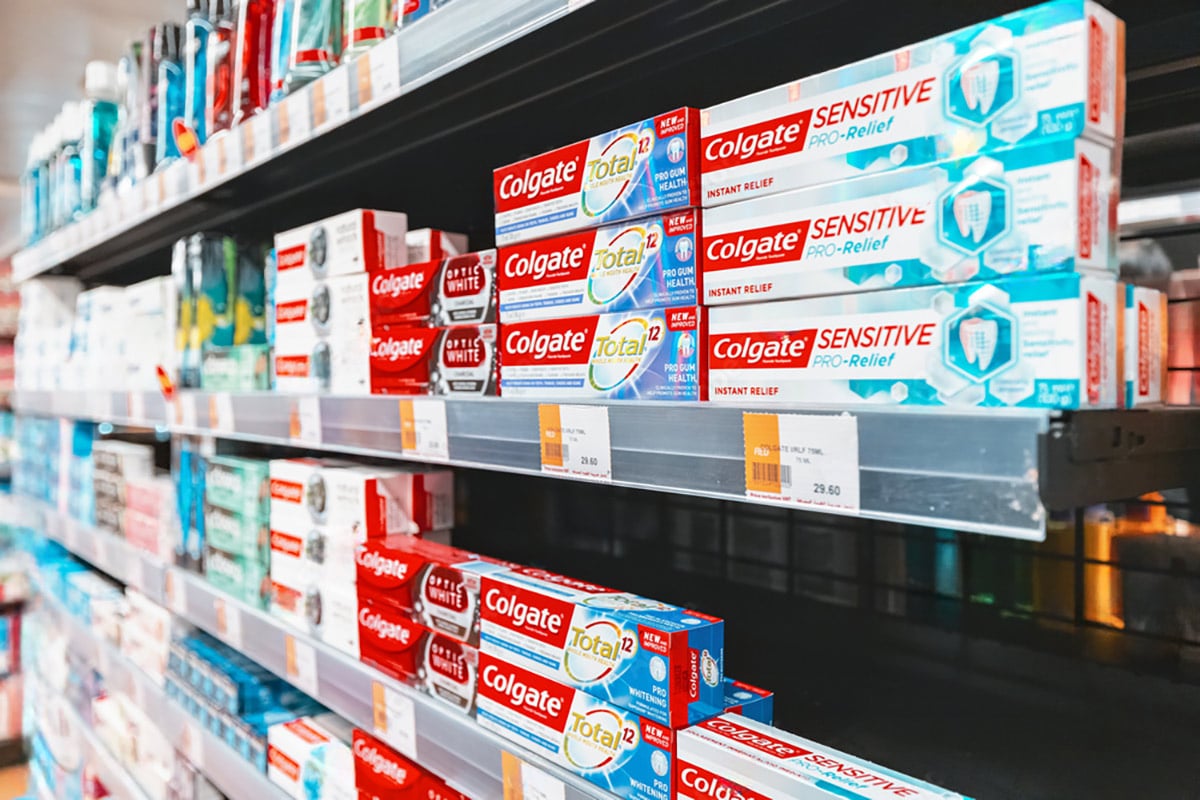
Walking down the oral care aisle—especially at a store like Shoppers Drug Mart—can be surprisingly overwhelming. With rows of bright boxes promising cavity protection, whitening, sensitivity relief, and even natural detox, choosing the right toothpaste can feel less like a routine purchase and more like a strategic decision. And the truth is, it kind of is.
Toothpaste isn’t one-size-fits-all. The right formula can make a real difference in your oral health—whether you’re trying to manage sensitivity, prevent decay, freshen breath, or whiten your smile. This guide breaks down exactly what’s in your toothpaste, how to match it to your unique dental needs, and what trusted options are currently available at your pharmacy.
Whether you’re ingredient-conscious, budget-focused, or want the best toothpaste for your goals, we’ll help you narrow your options.
Table of Contents
Quick Takeaways
- Fluoride toothpaste is essential for preventing cavities and strengthening enamel. Look for sodium fluoride or stannous fluoride as the active ingredient.
- If you have sensitive teeth, opt for products like Sensodyne or Crest Pro‑Health Sensitive, which contain potassium nitrate or stannous fluoride to reduce nerve sensitivity.
- For whitening and stain removal, choose toothpastes with hydrogen peroxide or gentle abrasives—but avoid charcoal, which can be too harsh on enamel.
- Natural toothpaste options (e.g., Tom’s of Maine, Hello, Boka) cater to ingredient-conscious shoppers. Still, fluoride-free versions may offer less cavity protection unless combined with remineralizing agents like nano-hydroxyapatite.
- Children’s toothpastes are formulated with lower fluoride levels and mild flavours to encourage brushing while protecting developing teeth.
- If your gums are inflamed or bleed when brushing, choose a gum health toothpaste (like Parodontax or Crest Gum Detoxify) designed to fight plaque at the gum line and reduce inflammation.
- Multi-care toothpastes (like Colgate Total or Crest Pro‑Health Complete) cover cavities, gum health, enamel strength, breath, and sensitivity in one formula for those looking for overall protection.
- Check for the CDA Seal of Acceptance (or ADA in the USA) to ensure the product is safe, effective, and backed by clinical research.
- Flavour and texture matter too—pick one you’ll actually enjoy using to help maintain consistent oral hygiene.
- Ultimately, the best toothpaste is the one that fits your personal dental needs, and most pharmacies will offer plenty of trusted, targeted options.
Core Toothpaste Types & Their Benefits
| Toothpaste Type | Best For | Key Ingredients | Benefits |
|---|---|---|---|
|
Fluoride Anti-Cavity |
General use, cavity prevention |
Sodium fluoride, stannous fluoride |
Strengthens enamel, prevents decay, reduces early signs of demineralization |
|
Sensitivity Relief |
Sensitive teeth (cold, heat, brushing discomfort) |
Potassium nitrate, stannous fluoride, arginine |
Desensitizes nerve endings, provides relief from hot/cold stimuli |
|
Whitening / Stain Removal |
Surface stains from coffee, wine, smoking |
Hydrogen peroxide, silica, baking soda, microbeads |
Gently lifts surface stains; some formulas also help prevent new staining |
|
Gum Health / Anti-Gingivitis |
Bleeding gums, gingivitis, early gum disease |
Stannous fluoride, zinc citrate, essential oils, chlorhexidine |
Reduces plaque at the gum line, decreases inflammation and bleeding |
|
Multi-Care / Total Care |
Those seeking all-around protection in one product |
Fluoride, zinc, pyrophosphates, triclosan (in some older formulas) |
Combines cavity prevention, gum care, enamel protection, and breath freshening |
|
Tartar Control |
People prone to tartar or plaque buildup |
Pyrophosphates, zinc citrate |
Prevents tartar hardening, extends clean feel between dental visits |
|
Natural with Fluoride |
Users wanting minimal ingredients + decay protection |
Sodium fluoride, herbal oils, xylitol, aloe vera |
Clean formula with cavity protection; fewer artificial additives |
|
Natural Fluoride-Free |
Fluoride-free routines or those with sensitivities |
Nano-hydroxyapatite, xylitol, charcoal (some), neem |
Remineralizes (nano-HA), freshens breath, gentle on enamel |
|
Charcoal Toothpaste |
Whitening enthusiasts (with caution) |
Activated charcoal, baking soda |
Claims to whiten, but may erode enamel over time (use sparingly) |
|
Kids’ Toothpaste |
Young children learning oral hygiene |
Mild fluoride, gentle flavors, xylitol |
Safe fluoride dosing; encourages brushing with fun flavors and characters |
|
Prescription-Strength |
High cavity risk (e.g. braces, dry mouth, elderly) |
Sodium fluoride (5000 ppm), calcium phosphates |
Maximum cavity protection under dental supervision |
|
Enamel Repair / Remineralizing |
Weakened or eroded enamel |
Nano-hydroxyapatite, fluoride, calcium, phosphate |
Repairs micro-lesions, strengthens enamel surface |
How To Pick The Right Toothpaste For You
With so many formulas and claims on the box, choosing the right toothpaste comes down to understanding your specific oral health goals. Here’s a breakdown of how to make the best choice for your needs:
TL;DR:
- Basic cavity prevention? Fluoride toothpaste.
- Pain or sensitivity? Use a desensitizing formula.
- Gum issues? Go for anti-gingivitis toothpaste.
- Whitening? Choose peroxide or non-abrasive whiteners.
- Natural preference? Use fluoride-free options with nano-HA (and monitor results).
- Buying for kids? Use age-appropriate toothpaste with lower fluoride.
1. Always Start with Fluoride (Unless Advised Otherwise)
Fluoride is a clinically proven mineral that helps prevent cavities by strengthening enamel and reversing early signs of tooth decay. Fluoride should be your toothpaste foundation unless your dentist advises against it (e.g., due to allergy or certain medical conditions).
Choose if: You want basic protection and cavity prevention.
Look for: Sodium fluoride or stannous fluoride on the label.
2. Target Specific Needs
Toothpaste isn’t one-size-fits-all. Choose a formula that directly addresses your top concern:
- Sensitive Teeth? Choose products like Sensodyne, Colgate Sensitive Pro-Relief, or Crest Gum and Sensitivity. These contain ingredients like potassium nitrate or stannous fluoride that help block nerve signals and reduce pain.
- Gum Health? If your gums are swollen, bleed during brushing, or are inflamed, look for anti-gingivitis pastes such as Parodontax or Crest Gum Detoxify. These fight plaque and bacteria at the gumline.
- Surface Stains or Discoloration? Choose whitening toothpastes like Colgate Optic White, Crest 3D White, or Tom’s of Maine Activated Charcoal (if used carefully). Sensitive users should opt for peroxide-free or low-abrasion options.
- Tartar Buildup? Tartar control formulas (e.g., Colgate Tartar Protection) help prevent plaque hardening with ingredients like pyrophosphates or zinc citrate.
- Dry Mouth or High Decay Risk? Your dentist may recommend a prescription-strength toothpaste like Colgate Prevident 5000+, or a remineralizing toothpaste with nano-hydroxyapatite (e.g., Boka or Apagard).
3. Understand Natural vs. Conventional Options
- Natural toothpaste with fluoride (e.g., Tom’s of Maine Fluoride, Hello) offers a clean-label experience without compromising cavity protection.
- Fluoride-free options (e.g., Boka Ela Mint) are gaining popularity, especially those containing nano-hydroxyapatite—a dentist-approved fluoride alternative that remineralizes enamel.
Important: If you choose fluoride-free toothpaste, make sure it includes remineralizing agents and consult your dentist, especially if you’re cavity-prone.
4. Kids Need Kid-Specific Formulas
Children’s toothpaste contains a lower dose of fluoride (or none, depending on age) and comes in flavours kids enjoy, making it more likely they’ll brush regularly.
- Under age 3: Use a smear (rice-sized) of fluoride toothpaste if they’re at cavity risk.
- Ages 3–6: Use a pea-sized amount of fluoride toothpaste with supervision.
Brands to try: Colgate Kids, Orajel Paw Patrol, Tom’s of Maine for Kids.
5. Look for the CDA or ADA Seal
Products with the Canadian Dental Association (CDA) or American Dental Association (ADA) Seal of Acceptance have been independently tested for safety and effectiveness. This is especially helpful for trying a new brand or specialty toothpaste.
6. Flavour, Texture, and Format Matter
Don’t underestimate the importance of user experience:
- If you hate the taste or texture of your toothpaste, you’re less likely to use it consistently.
- Choose a flavour you enjoy (e.g., mint, cinnamon, or fruit for kids).
- Paste vs. gel is a matter of preference, but gels may feel gentler for sensitive users.
7. Consult Your Dentist for Custom Recommendations
If you have chronic dental issues like decay, erosion, gum disease, or dry mouth, your dentist may suggest:
- Prescription toothpaste
- Custom remineralizing pastes
- Specific product combinations (e.g., fluoride toothpaste + fluoride rinse)
Take A Quick Quiz: Which Toothpaste Is Right for You?
Answer a few quick questions to get a personalized recommendation.
Ingredient Watchlist: What to Avoid in Toothpaste
Quick Summary:
- SLS (Sodium Lauryl Sulphate) – May irritate sensitive mouths or trigger canker sores
- Triclosan – Linked to hormonal disruption and now banned in many countries
- Artificial colours/sweeteners – No oral health benefit; some cause allergic reactions
- Harsh abrasives (e.g., charcoal, microbeads) – May erode enamel or damage dental work
- Parabens and PEGs – Used as preservatives; may raise concerns for some users
- Titanium dioxide – Used for whitening; controversial due to potential ingestion risks
In-Depth Breakdown:
1. Sodium Lauryl Sulfate (SLS)
A foaming agent is found in many conventional toothpastes. While it helps spread toothpaste and gives that “clean” feeling, it can irritate the inner cheeks, tongue, and gums, especially in people prone to canker sores or dry mouth.
Look for: “SLS-Free” options (Sensodyne Pronamel, Hello, Boka).
2. Triclosan
An antimicrobial agent formerly used in some toothpaste brands (e.g., Colgate Total). It’s now largely phased out due to links with hormonal disruption and concerns about bacterial resistance.
Avoid if found in older stock—check expiration dates or choose newer formulas.
3. Artificial Colours and Sweeteners
Common in kids’ toothpaste and some adult varieties:
- Colours like Blue 1 and Red 40 have been linked (though controversially) to hyperactivity or allergic reactions.
- Sweeteners such as saccharin or aspartame add taste but offer no oral benefit and can cause sensitivities.
Choose options flavoured with xylitol, a sugar alcohol that actually helps fight cavity-causing bacteria.
4. Harsh Abrasives (Charcoal, Baking Soda, Microbeads)
While charcoal and baking soda can remove surface stains, they’re often too abrasive for daily use, especially on sensitive teeth or dental restorations. Plastic microbeads (formerly common in whitening pastes) are also banned in many countries due to environmental harm.
Use whitening pastes with gentle silica instead.
5. Parabens and PEGs (Polyethylene Glycol)
Used as preservatives and stabilizers, these are more common in cosmetic and pharmaceutical products. Some people avoid them due to potential endocrine disruption and environmental persistence.
If concerned, check the label or choose brands that promote paraben-free formulas.
6. Titanium Dioxide
Used to make toothpaste look bright white, this pigment is considered safe topically but has raised safety debates when ingested in nanoparticle form. The European Union recently banned it from food use.
It’s not necessary for oral health, so avoid it if you’re ingredient-conscious.
Download a copy of our Tooth Ingredient Watchlist:
Frequently Asked Questions: FAQ
Yes, fluoride is safe and effective in preventing cavities when used as directed. It’s supported by decades of clinical research and endorsed by organizations like the Canadian Dental Association.
Sodium fluoride strengthens enamel and fights decay. Stannous fluoride does that too but also offers antibacterial benefits and helps with sensitivity. It may cause mild staining in some users.
Yes, non-abrasive toothpaste without whitening agents is ideal to avoid scratching or dulling the surface of restorations.
Toothpaste can’t reverse recession, but gentle formulas with stannous fluoride or herbal anti-inflammatory ingredients can help manage gum sensitivity and inflammation.
Some are — especially if they contain fluoride. However, many “natural” toothpastes lack clinical studies and may skip essential ingredients like fluoride.
Look for a non-abrasive, fluoride-based toothpaste. Avoid charcoal or whitening pastes that can damage brackets or cause uneven whitening.
It depends. Many use mild abrasives that can wear enamel if overused. Choose low-abrasive formulas and avoid daily use if you have sensitivity.
Children under 6 should use a kid-specific fluoride toothpaste in small amounts (pea-sized or smaller) to reduce the risk of swallowing excess fluoride.
Yes, in moderation. Baking soda is a gentle abrasive and neutralizes acids, but overuse can wear enamel. Avoid brushing too hard.
Yes. Common culprits include artificial dyes, flavors, or preservatives. Switching to a hypoallergenic or dye-free toothpaste may help.
Yes — especially those containing potassium nitrate or stannous fluoride. They block nerve signals in exposed dentin over time (usually 2–4 weeks).
Not ideal. Brushing physically removes plaque. In emergencies, using your finger is better than nothing, but it’s not a substitute for brushing.
It’s optional. Not rinsing allows fluoride to stay on your teeth longer — just spit out the excess. This is called the “spit, don’t rinse” method.
References
American Dental Association (ADA). (2025). Fluoridation FAQs.
https://www.ada.org/resources/community-initiatives/fluoride-in-water/fluoridation-faqs ada.org+7ada.org+7adanews.ada.org+7
American Dental Association (ADA). (2025). Toothpastes.
https://www.ada.org/resources/ada-library/oral-health-topics/toothpastes kidshealth.org+15ada.org+15ada.org+15
Mayo Clinic. (n.d.). Canker sore – Diagnosis & treatment.
https://www.mayoclinic.org/diseases-conditions/canker-sore/diagnosis-treatment/drc-20370620 en.wikipedia.org+11mayoclinic.org+11amerikanhastanesi.org+11
Health. (2019). How Much Toothpaste Should You Use?
https://www.health.com/condition/oral-health/how-much-toothpaste-should-you-use verywellhealth.com+6health.com+6self.com+6
Verywell Health. (2018). Why Is There Fluoride in Toothpaste?
https://www.verywellhealth.com/facts-about-fluoride-toothpaste-4587999 verywellhealth.com+9verywellhealth.com+9en.wikipedia.org+9
Wikipedia. (2025). Fluoride toxicity.
https://en.wikipedia.org/wiki/Fluoride_toxicity
Check us out on Facebook and Twitter for daily information about Oral Health from Martindale Dental, or visit our offices in Hamilton and St. Catharines.
Have more questions?
Please contact us for all inquiries or to book an appointment with one of our convenient clinic locations. We look forward to hearing from you.