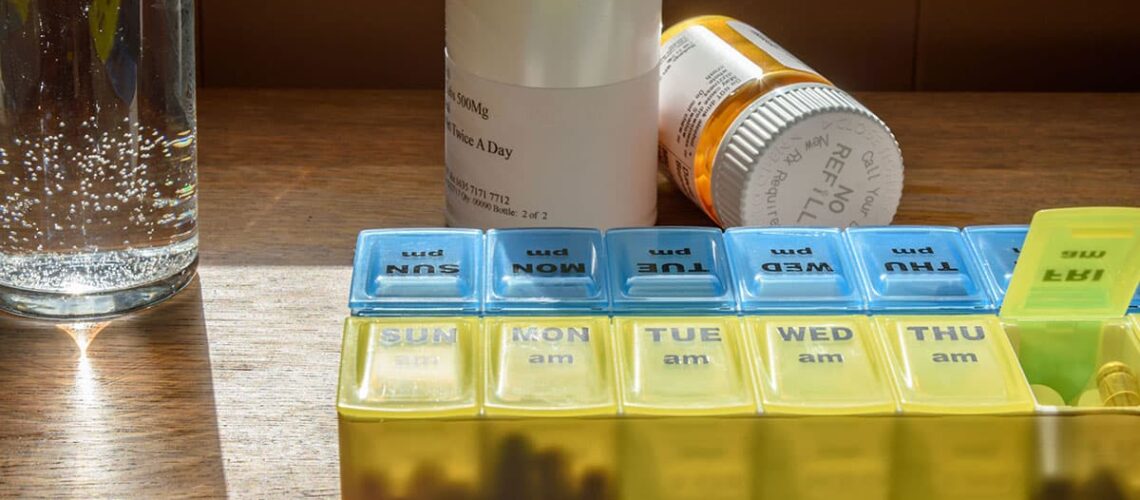
If you take medicine for high blood pressure, you’re certainly not alone, as nearly one in three adults relies on antihypertensive medications to keep their blood pressure in check. These drugs are essential for protecting your heart, kidneys, and brain, and they’ve saved countless lives.
But here’s something most people don’t realize: those same medications can also quietly affect your oral health. Over time, you might notice your mouth feels unusually dry, your gums look puffier or bleed more easily, or certain foods taste different from how they used to. Some patients even mention a “sticky” mouth feeling or difficulty swallowing, not realizing it’s linked to their blood pressure pills.
As dentists, we see this all the time — and the good news is, it’s both common and manageable. Once you understand why these side effects happen and which medications are most likely to cause them, you can take simple, effective steps to protect your mouth.
Let’s dig deeper into exactly how blood pressure medications affect your oral health, which types of drugs are most often responsible, and what you can do every day to keep your teeth and gums healthy while staying safely on your prescribed treatment.
Table of Contents
How Blood Pressure Medications Affect Your Mouth
Blood pressure medications lower blood pressure by relaxing blood vessels, reducing fluid buildup, or slowing your heart rate. While that protects your heart, it can also alter the processes inside your mouth. These medications may reduce saliva flow, alter gum tissue response, or affect taste and sensitivity, all of which can influence your oral health over time.
Here’s a quick overview of how different types of blood pressure drugs can impact your mouth:
| Type of Medication | Common Drugs | Possible Oral Side Effects |
|---|---|---|
|
Calcium Channel Blockers (CCBs) |
Amlodipine, Nifedipine |
Gum swelling (gingival overgrowth), bleeding gums |
|
Diuretics |
Hydrochlorothiazide, Furosemide |
Dry mouth, increased risk of tooth decay |
|
ACE Inhibitors |
Lisinopril, Enalapril |
Altered taste, lip or tongue swelling (rare) |
|
ARBs (Angiotensin II Receptor Blockers) |
Losartan, Valsartan |
Dry mouth, burning or metallic taste |
|
Beta-Blockers |
Atenolol, Metoprolol |
Taste changes, mild numbness, dry mouth |
Each medication class affects the mouth in slightly different ways. Some people may notice symptoms like dry mouth within weeks, while others develop gum swelling after long-term use. Knowing which drug you take, and mentioning it to your dentist, helps us identify patterns quickly and tailor your care to prevent or manage side effects early.
Why These Oral Changes Happen
These mouth-related side effects occur because blood pressure medications influence blood flow, nerve activity, and fluid balance, all of which play important roles in your oral health.
For example, diuretics work by helping your body eliminate excess water and sodium to lower blood pressure. While effective for the heart, this process also reduces moisture in your mouth, causing dry mouth (xerostomia). Less saliva means your mouth has a harder time neutralizing acids, washing away food particles, and protecting enamel — increasing your risk for cavities and gum inflammation.
Calcium channel blockers, on the other hand, relax the muscles in blood vessel walls, but they can also overstimulate the gum’s connective tissue cells (fibroblasts). Over time, this may lead to gingival overgrowth, where the gums thicken or begin to cover part of the teeth. This extra tissue traps plaque and bacteria, making daily cleaning more difficult.
ACE inhibitors and ARBs can sometimes interfere with the nerves responsible for taste or saliva regulation, leading to a metallic or altered taste, burning sensations, or, in rare cases, swelling of the lips or tongue.
In short, these drugs are doing exactly what they should for your cardiovascular system — but their effects can spill over into the mouth. The key is early awareness and proactive dental care to keep your teeth, gums, and salivary glands healthy while continuing your medication safely.
Dry Mouth (Xerostomia): The Most Common Side Effect
If your mouth feels sticky, your tongue feels rough, or you find yourself sipping water constantly, you’re not imagining it. Up to 60% of people taking blood pressure medications, especially diuretics and beta-blockers, experience some level of dry mouth, also called xerostomia.
This happens because these medications reduce your body’s overall fluid levels or affect the salivary glands, leading to less saliva production. Saliva isn’t just moisture — it’s your mouth’s natural defence system. It washes away bacteria, neutralizes acids, and helps prevent cavities, gum disease, and bad breath.
When saliva decreases, acids linger on the teeth longer, plaque forms faster, and even minor irritation can cause mouth sores or burning sensations. Over time, chronic dryness can increase your risk of tooth decay, gum inflammation, oral infections, and difficulties with speaking or swallowing.
What helps manage dry mouth:
- Sip water frequently, especially between meals and before bed
- Chew sugar-free gum or suck on xylitol mints to stimulate saliva naturally
- Avoid caffeine, alcohol, and tobacco, which further dry the mouth
- Use saliva substitutes or moisturizing gels, especially at night
- Switch to alcohol-free mouth rinses formulated for dry mouth
- Ask your dentist about fluoride varnishes or prescription fluoride toothpaste for extra cavity protection
Even small adjustments — like drinking more water throughout the day or using a dry-mouth rinse — can make a noticeable difference in comfort and oral health.
Gum Swelling and Overgrowth (Gingival Hyperplasia)
If your gums appear puffy, bleed easily, or seem to be “growing over” your teeth, you might be experiencing gingival hyperplasia — a well-known side effect of calcium channel blockers such as Amlodipine, Nifedipine, and Verapamil.
Research shows this can occur in 10–20% of patients taking these medications, especially when plaque and bacteria are not well controlled. Essentially, the drug stimulates your gum tissue cells (called fibroblasts) to grow excessively. The resulting overgrowth can make your gums look enlarged or uneven, and it can trap food and bacteria, increasing your risk for gum infection and bad breath.
What your dentist may recommend:
- Professional dental cleanings every 3–4 months to control plaque buildup
- Meticulous daily brushing and flossing, or the use of interdental brushes
- Rinses with antimicrobial or chlorhexidine mouthwash if inflammation is present
- Consult with your physician about switching to a different blood pressure medication if the problem persists
- Minor gum recontouring (gingivectomy) in severe cases to restore the natural shape of your gums
Most patients see improvement once plaque is under control and medication adjustments are made. In many cases, the gum tissue gradually returns to normal without surgery.
Taste Changes, Burning, or Swelling
Some blood pressure drugs — particularly ACE inhibitors (like Lisinopril or Enalapril) — can affect the way things taste or cause unusual sensations in the mouth. You might notice a metallic, salty, or bitter taste, or even a mild burning or tingling feeling on the tongue.
In rare cases, ACE inhibitors can trigger angioedema — sudden swelling of the lips, tongue, or throat. This is a medical emergency that requires immediate attention. Thankfully, it’s very uncommon, but it’s important to recognize early warning signs.
Tips to reduce discomfort:
- Stay well hydrated to keep the mouth moist
- Avoid spicy, salty, or acidic foods that irritate taste buds
- Choose alcohol-free mouth rinses and gentle toothpaste formulas
- Maintain consistent brushing and flossing to reduce inflammation
- Tell your doctor if you notice persistent taste changes or swelling — adjusting the medication may resolve the issue
Most of the time, these taste changes fade as your body adjusts or after your doctor changes your prescription.
How High Blood Pressure and Gum Health Affect Each Other
This surprises many patients, but your blood pressure and your gum health are closely connected. Chronic gum inflammation — known as periodontal disease — can raise levels of inflammatory markers in your bloodstream, which may make high blood pressure more complicated to control.
On the flip side, people with hypertension are more likely to experience gum bleeding, recession, and bone loss around teeth, especially if they’re taking medications that affect blood flow or saliva.
In other words, a healthy mouth supports a healthy heart. Good oral hygiene doesn’t just protect your smile — it may actually help improve your blood pressure.
How to protect your gums:
- Brush twice a day with fluoride toothpaste
- Floss daily or use a Waterpik to remove plaque between teeth
- Rinse with an antibacterial or fluoride mouthwash
- Schedule professional cleanings every 6 months, or every 3–4 months if you already have gum disease
Tell your dentist about any changes in your medications or blood pressure readings
Keeping inflammation under control in the mouth can have real, measurable benefits for your overall health.
Other Less Common Oral Effects
While less frequent, several other oral side effects can occur depending on the type of medication and individual sensitivity. Recognizing them early helps prevent complications.
- Lichenoid lesions: White, lace-like patches on the cheeks or gums, occasionally linked to ARBs (Losartan, Valsartan)
- Burning mouth syndrome: A persistent burning or tingling sensation without visible sores
- Mouth ulcers or delayed healing: Often related to reduced saliva and blood flow
- Numbness or tingling: Sometimes seen in patients taking beta-blockers
- Lip or tongue swelling (angioedema): Rare but serious; more common with ACE inhibitors
If you notice new sores, white patches, or swelling that lasts more than a week, schedule a dental visit. Many of these conditions are harmless and temporary, but they can mimic infections or precancerous changes, so it’s always worth checking.
How Dentists Manage Patients on Blood Pressure Medication
When you visit your dentist, your medications matter just as much as your dental history. Every blood pressure pill, from diuretics to calcium channel blockers, can influence how your mouth feels, how your gums react, and even how your body responds to dental treatment.
That’s why one of the first questions your dental team should ask is:
“What medications are you currently taking?”
Knowing this helps your dentist adjust your care safely and comfortably.
1. Tailoring Dental Treatment to Your Medication
Different blood pressure medications can affect dental treatment in subtle but important ways.
- For calcium channel blockers: Your dentist will monitor gum changes and bleeding closely, scheduling more frequent cleanings if you’re at risk for gingival overgrowth.
For diuretics: Because these can cause dry mouth, your dentist may recommend additional fluoride treatments, dry mouth gels, or prescription toothpaste to protect your enamel. - For ACE inhibitors and ARBs: These can occasionally affect how you react to local anesthetics or cause taste alterations, so your dentist may use gentler products or modify anesthesia choice.
- For beta-blockers: Your dentist will be cautious with epinephrine-containing anesthetics, since combining them can raise blood pressure or heart rate in sensitive patients.
It’s all about fine-tuning your care to make sure every step of your dental visit is safe and stress-free.
2. Monitoring Blood Pressure at the Dental Office
If you have hypertension, your dentist may take your blood pressure before procedures (and that’s a good thing). This simple step helps ensure that treatment is done safely and at the right time of day.
- Most dentists prefer to schedule morning appointments, when your blood pressure is naturally lower and medications have already taken effect.
- If your blood pressure is higher than normal, your dentist might delay elective procedures until it’s back under control.
- For routine cleanings and exams, mild elevations aren’t an issue — but for extractions, surgeries, or lengthy treatments, careful monitoring keeps you safe.
3. Managing Anesthesia and Bleeding Risks
Certain combinations of blood pressure medications can interact with dental anesthetics or affect bleeding.
- Epinephrine use: Some local anesthetics contain epinephrine to prolong numbness. If you’re on beta-blockers, this combination may cause a brief increase in blood pressure or heart rate. Your dentist will use a low-epinephrine or epinephrine-free option when necessary.
- Bleeding concerns: While antihypertensive drugs don’t act as blood thinners, gum inflammation caused by medications can make gums bleed more easily. Gentle techniques and thorough home care help minimize this.
- Position changes: Diuretics and vasodilators can sometimes cause postural hypotension (a sudden drop in blood pressure when sitting up). That’s why your dentist will raise the chair slowly and check how you feel before you stand.
These small precautions can make your visit much more comfortable and prevent dizziness, excessive bleeding, or spikes in blood pressure.
4. Coordination Between Dentist and Physician
One of the most important steps in managing oral health for patients on blood pressure medications is communication.
If your dentist notices gum overgrowth, excessive dryness, or delayed healing, they may contact your physician to review your prescriptions. In some cases, a simple switch — for example, from a calcium channel blocker to an ARB — can dramatically reduce oral side effects.
You should never change or stop your medication without your doctor’s guidance, but your dentist can often provide supporting documentation or clinical notes to help your physician make an informed decision.
5. Preventive Care: Staying Ahead of Problems
Preventive dentistry plays a major role in minimizing side effects from blood pressure medications. A proactive plan includes:
- More frequent cleanings: every 3–4 months instead of twice a year, especially if you have gum swelling or dry mouth
- Custom fluoride therapy: prescription toothpaste or varnish to protect against cavities
- Saliva-boosting strategies: xylitol products, hydration reminders, and gentle, pH-balanced rinses
- Regular oral cancer and lesion screenings: since medication-related mucosal changes can resemble other oral diseases
Dentists often create a personalized “oral health plan” for patients on antihypertensive drugs, combining prevention, early detection, and coordinated care with your medical team.
6. Work Together With Your Dentist to Maintain Your Oral Health
Taking care of your mouth while on blood pressure medication doesn’t have to be complicated; it simply requires consistency and awareness. With a few small daily habits and regular dental check-ups, you can prevent most side effects before they even start.
At Home: Daily Habits That Make a Big Difference
Your mouth thrives on routine care. Since many antihypertensive drugs can cause dry mouth, gum tenderness, or taste changes, a few smart habits can go a long way toward keeping your smile healthy and comfortable.
Here’s what you can do:
- Drink water frequently. Keep a reusable bottle nearby and take small sips throughout the day. Staying hydrated keeps your mouth moist and helps wash away acids and bacteria.
- Chew sugar-free gum or suck on xylitol mints. These stimulate saliva production and help neutralize harmful acids.
- Brush twice daily with a fluoride toothpaste, and clean gently along the gumline. Electric toothbrushes can make this easier and more effective.
- Floss or use a Waterpik once a day. This removes food and plaque where a toothbrush can’t reach, reducing inflammation caused by trapped debris.
- Use an alcohol-free mouth rinse designed for dry mouth or gum health. Alcohol-based rinses can make dryness worse and irritate tissue.
- Avoid smoking and limit caffeine or alcohol intake. These all reduce saliva flow and slow gum healing.
- Use a humidifier at night if you often wake up with a dry mouth, especially if you breathe through your mouth or take diuretics.
- Choose tooth-friendly snacks like cheese, nuts, or crunchy vegetables instead of sugary foods that promote cavities when saliva is low.
These small steps support your saliva’s natural defences and help prevent decay, gum inflammation, and discomfort.
At Your Dentist’s Office: Professional Prevention and Guidance
Your dentist plays a crucial role in protecting your oral health while you manage high blood pressure. Every visit is an opportunity to monitor early changes and personalize your care plan.
Here’s how your dental team can help:
- Share your medication list — including dosages and any recent changes — at every appointment. This helps your dentist spot potential side effects early.
- Ask about professional fluoride treatments or prescription-strength toothpaste. These help strengthen enamel and protect against the effects of dry mouth.
- Consider more frequent cleanings, every 3 to 4 months instead of twice a year, if you have gum swelling, bleeding, or buildup from medications like calcium channel blockers.
- Request a saliva assessment or dry mouth consultation. Your dentist can recommend specific moisturizing products or custom trays that keep your mouth hydrated overnight.
- Discuss medication options with your physician if oral side effects persist. Sometimes switching from a calcium channel blocker to an ARB (like Losartan) can significantly reduce gum overgrowth or dryness.
- Ask for personalized home-care advice. Your dentist might recommend gentle toothbrushes, water flossers, or specialized mouth rinses suited to your condition.
Your dental office can also track how your oral tissues respond over time — helping catch problems early, before they turn into more serious concerns.
The Power of Teamwork
Most oral side effects from blood pressure medications can be managed or prevented entirely with consistent dental care and open communication between you, your dentist, and your physician. When everyone works together, you can keep your blood pressure under control and your smile healthy, without having to choose between the two.
So don’t wait for symptoms to appear. Take a proactive approach: stay hydrated, maintain excellent oral hygiene, and schedule regular check-ups. A few simple steps today can help you avoid discomfort tomorrow and protect both your heart and your oral health for years to come.
Conclusion
Blood pressure medications are an essential part of protecting your heart and overall health, but they can also have subtle effects on your mouth. From dry mouth and gum swelling to taste changes or delayed healing, these side effects are common and manageable once they’re recognized.
Most of the time, these oral changes aren’t signs of something serious; they’re simply the result of how the medication interacts with your body’s natural systems, including your saliva and gum tissues. Understanding these effects allows you and your dental team to take the proper preventive steps before problems develop.
Good daily care, adequate hydration, and regular professional cleanings can make a significant difference. And when your dentist and physician work together, it’s entirely possible to maintain healthy gums, strong teeth, and controlled blood pressure at the same time.
In short, the goal isn’t to choose between your heart health and your smile — it’s to protect both, with knowledge, consistency, and the right support.
Quick Takeaways: Spotting the Red Flags
- Blood pressure medications are essential for heart health but can affect your oral health in several ways, including dry mouth, gum swelling, and taste changes.
- Dry mouth (xerostomia) is the most common side effect, especially with diuretics and beta-blockers, increasing the risk of cavities and gum disease.
- Calcium channel blockers (like amlodipine or nifedipine) may cause gingival overgrowth, making gums appear puffy or enlarged.
- ACE inhibitors can occasionally cause taste changes or lip and tongue swelling (angioedema), though this is rare.
- A healthy mouth can actually help improve blood pressure control, since gum inflammation contributes to systemic inflammation.
- Managing side effects is usually simple: stay hydrated, maintain daily brushing and flossing, use fluoride products, and see your dentist regularly.
- Most oral changes improve with good hygiene, professional care, and coordination between your dentist and physician.
Frequently Asked Questions
Yes. Certain medications, especially ACE inhibitors, can make the lining of your mouth more sensitive and prone to irritation, leading to small sores or ulcers. These usually heal once dryness and inflammation are managed.
A sticky feeling often comes from reduced saliva flow. Many antihypertensive drugs, especially diuretics, cause mild dehydration, which thickens saliva and leaves a sticky sensation.
They can. Reduced blood flow and dry mouth can slightly slow healing, especially in older adults. Keeping hydrated and following your dentist’s post-care instructions helps recovery.
Yes, but choose alcohol-free mouth rinses. Alcohol-based products can worsen dry mouth and irritate gum tissue already affected by medication.
Use fluoride toothpaste made for dry mouth, such as Biotène or Clinpro 5000. These formulas strengthen enamel and soothe oral tissues without irritating dryness.
Some drugs, like calcium channel blockers, increase gum sensitivity and inflammation, leading to easier bleeding. Regular dental cleanings and gentle brushing help control it.
Not always. Mild gingival overgrowth often improves with better plaque control or a medication change. Severe cases may need a minor gum recontouring procedure.
Yes. Hypertension can affect blood circulation in gum tissues, making them more prone to inflammation and delayed healing — even without medication side effects.
Dry mouth allows bacteria and dead cells to accumulate on the tongue’s surface, creating a rough or coated texture. Brushing your tongue daily can help.
Yes. ACE inhibitors and some beta-blockers can temporarily change taste perception, causing a metallic or bitter flavor that usually fades over time.
In most cases, yes. Your dentist may monitor your blood pressure, adjust anesthesia, and schedule treatment in the morning for safety and stability.
Yes. Ingredients like licorice root or St. John’s Wort can interfere with certain blood pressure drugs. Always check with your doctor before using herbal products.
Yes. Chronic gum inflammation increases systemic inflammation, which may raise blood pressure and reduce the effectiveness of medication.
If you can’t change prescriptions, your dentist can manage symptoms with fluoride treatments, saliva substitutes, and frequent cleanings to protect your teeth and gums.
Check us out on Facebook and Twitter for daily information about Oral Health from Martindale Dental, or visit our offices in Hamilton and St. Catharines.
Have more questions?
Please contact us for all inquiries or to book an appointment with one of our convenient clinic locations. We look forward to hearing from you.