


How Does Diabetes Impact Oral Health?
Diabetes affects how your body processes glucose, leading to high blood sugar levels that can impact your mouth in several ways, making it harder to maintain healthy teeth and gums.
Impact on the Immune System
High blood sugar levels can weaken white blood cells, your body’s main defence against infections. In the mouth, this means bacteria can thrive, increasing the risk of gum disease. The Centers for Disease Control and Prevention (CDC) notes that this weakened immune response is a key reason why people with diabetes are more prone to oral health issues.
High Blood Sugar and Oral Bacteria
Elevated blood sugar increases sugar in your saliva, which bacteria feed on, producing acids that erode tooth enamel and cause cavities. These bacteria also form plaque, a sticky film that irritates gums, leading to gingivitis, the early stage of gum disease. Thickened blood vessels in unmanaged diabetes slow nutrient flow and waste removal, further increasing infection risk.
Dry Mouth and Its Consequences
Diabetes can cause dry mouth (xerostomia), reducing saliva production. Saliva washes away food particles, neutralizes bacterial acids, and nourishes oral tissues. Without enough saliva, you’re at higher risk for tooth decay, gum disease, and infections. The National Institute of Dental and Craniofacial Research (NIDCR) highlights that dry mouth can lead to soreness, ulcers, and decay.
Changes in Oral Microbiome
Diabetes may alter the oral microbiome, favouring harmful bacteria over beneficial ones. This shift, less commonly discussed, could explain persistent oral issues in some diabetics, suggesting a need for personalized oral care plans.
What Oral Health Issues Are Common in People with Diabetes?
People with diabetes are more susceptible to several oral health problems, each with unique challenges.
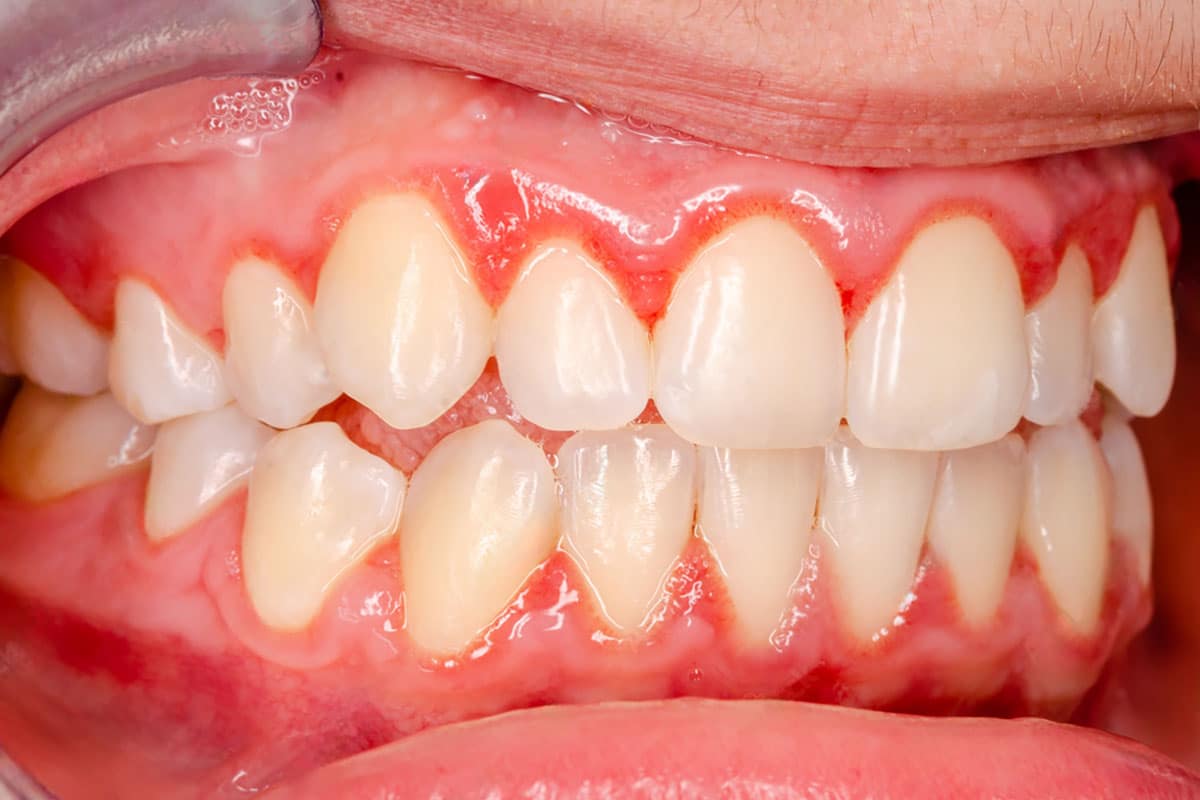
Gum Disease (Gingivitis and Periodontitis) Made Worse By Diabetes
Gum disease is the most common issue for diabetics. It starts with gingivitis, characterized by red, swollen, and bleeding gums. If untreated, it can progress to periodontitis, where gums pull away from teeth, forming infected pockets that may lead to tooth loss.
Why Diabetes Increases Risk
High Salivary Glucose: Elevated blood sugar increases glucose in saliva, fueling bacteria that cause plaque and gum inflammation.
Weakened Immunity: High blood sugar impairs white blood cells, making it harder to fight gum infections.
Dry Mouth: Reduced saliva flow fails to wash away bacteria, increasing gum disease risk.
Poor Blood Flow: Diabetes damages blood vessels, slowing gum healing.
Risk Factors
- Poor blood sugar control (high HbA1c)
- Long duration of diabetes.
- Smoking
- Ageing
Prevention and Management
Control Blood Sugar: Stable glucose levels reduce gum disease risk.
Oral Hygiene: Brush twice daily, floss, and use antiseptic mouthwash.
Dental Visits: Get cleanings every 6 months.
Lifestyle: Quit smoking and eat a balanced diet.
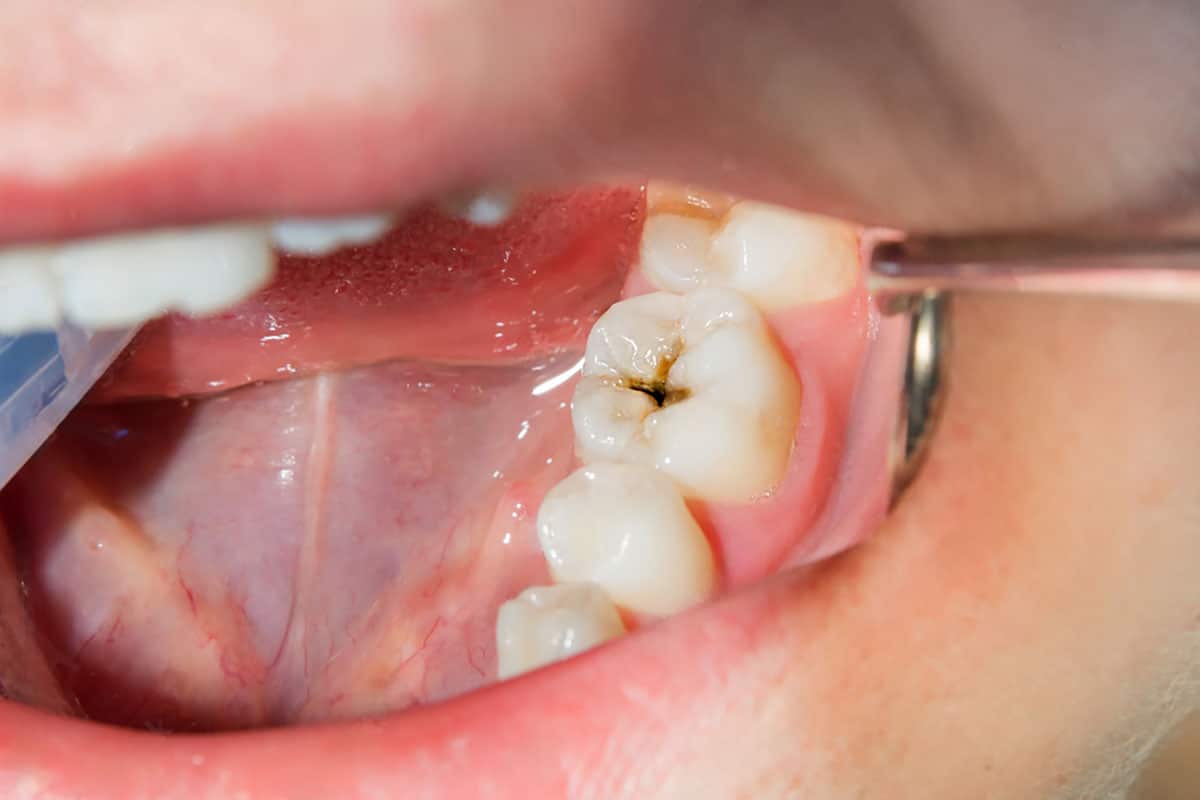
Cavities and Tooth Decay Due To Diabetes
Diabetes significantly increases the risk of cavities and tooth decay, primarily due to its effects on saliva composition, immune function, and tooth structure.
Why Diabetes Increases Risk
High salivary glucose: Elevated blood sugar increases glucose in saliva, feeding bacteria like Streptococcus mutans that produce acids, eroding tooth enamel.
Dry mouth: Reduced saliva flow (xerostomia) limits protection against bacteria, increasing decay risk.
Weakened immunity: High blood sugar impairs white blood cells, allowing cavity-causing bacteria to thrive.
Weaker teeth: Diabetes may reduce enamel and dentin strength, making teeth more prone to decay.
Risk Factors:
- Poor blood sugar control
- Ageing
- High-sugar diet
- Smoking
Prevention:
- Brush twice daily with fluoride toothpaste
- Floss daily to remove plaque
- Control blood sugar levels
- Visit the dentist every 6-12 months
- Limit sugary foods and drinks
- Stay hydrated to combat dry mouth
- Quit smoking

Fungal Infections (Thrush) From Diabetes
Thrush, a fungal infection caused by Candida albicans, is more common in diabetics due to high salivary glucose. Symptoms include white patches, redness, and soreness. It’s prevalent in those using antibiotics or wearing dentures.
Why Diabetes Increases Risk
High glucose levels: Excess sugar in saliva fuels fungal growth.
Weakened immunity: Impaired white blood cells struggle to control infections.
Dry mouth: Reduced saliva creates a favourable environment for fungi.
Medications: Some diabetes drugs (e.g., SGLT-2 inhibitors) or antibiotics increase the risk.
Prevention:
- Control blood sugar to reduce fungal fuel
- Brush, floss, and use antiseptic mouthwash
- Use antifungal medications (e.g., nystatin) for infections
- Clean dentures daily and remove at night
- Avoid smoking and oral irritants

Burning Mouth Syndrome
Burning mouth syndrome causes a burning sensation, dryness, or numbness in the mouth, often linked to thrush, dry mouth, or diabetes medications. It may affect eating habits, impacting blood sugar control.
Why Diabetes Increases Risk
Diabetic Neuropathy: BMS is more prevalent in diabetics with peripheral neuropathy, where nerve damage alters sensory perception. A 2007 study in the Journal of Diabetes Complications found that BMS symptoms were slightly more common in Type 1 diabetes patients with neuropathy, particularly women. The neuropathic origin of BMS in diabetics is similar to the numbness or pain experienced in other parts of the body.
Poor Glycemic Control: High blood sugar can damage nerves controlling taste and sensation in the mouth, leading to burning or altered sensations.
Dry Mouth: Diabetes-induced xerostomia exacerbates BMS by increasing oral irritation and reducing saliva’s protective effects.
Thrush as a Trigger: Oral thrush, common in diabetics, can irritate oral tissues, contributing to BMS symptoms.
Prevention and Treatment:
Improve Glycemic Control: Managing blood sugar reduces nerve damage and dry mouth, potentially alleviating BMS.
Address Dry Mouth: Use saliva substitutes, sugar-free gum, or medications to stimulate saliva production.
Treat Underlying Conditions: Antifungal medications for thrush or supplements for nutritional deficiencies can help.
Medications: Low-dose antidepressants (e.g., amitriptyline), anticonvulsants (e.g., gabapentin), or alpha-lipoic acid may reduce neuropathic pain.
Psychological Support: Counselling or stress management techniques can address anxiety-related BMS.
Slow Healing of Oral Tissues
Diabetes impairs the healing of oral tissues, increasing the risk of complications after dental procedures and infections. This is due to systemic effects on blood flow, immune function, and tissue repair mechanisms.
Why Diabetes Increases Risk
Reduced Blood Flow: High blood sugar damages blood vessels, reducing blood flow to oral tissues. This limits the delivery of oxygen, nutrients, and immune cells needed for healing, slowing recovery from wounds or surgeries.
Weakened Immune System: Diabetes impairs white blood cell function, making it harder to fight infections and repair damaged tissues. This increases the risk of post-procedure infections, such as abscesses.
Impaired Collagen Formation: Healing requires collagen, a protein that forms connective tissue. Diabetes disrupts collagen synthesis, delaying the repair of gums, mucosa, and bone.
Increased Infection Risk: Poorly controlled diabetes heightens the risk of oral infections, such as periodontal disease or thrush, which further complicate healing. For example, gum disease is more severe and heals more slowly in diabetics.
Cellular Dysfunction: Diabetes affects cells involved in healing, such as fibroblasts (which produce collagen) and endothelial cells (which form blood vessels). This leads to reduced tissue regeneration and angiogenesis (new blood vessel formation).
Implications for Dental Care
Dental Procedures: Healing after procedures like tooth extractions, implants, or periodontal surgery is slower in diabetics, increasing risks like dry socket or implant failure.
Periodontal Disease: Gum disease, common in diabetics, takes longer to heal, requiring more intensive treatment.
Infection Risk: Post-procedure infections are more likely, necessitating careful monitoring and sometimes prophylactic antibiotics.
Prevention
Optimize Blood Sugar Control: Maintaining target blood glucose levels improves blood flow and immune function, enhancing healing.
Pre-Procedure Planning: To reduce complications, dentists may delay elective procedures until blood sugar is stable. Patients should inform their dentists about their diabetes status.
Post-Procedure Care: Follow-up visits and antibiotics may be needed to prevent infections. Patients should monitor for signs of delayed healing, such as persistent pain or swelling.
Oral Hygiene: Regular brushing, flossing, and professional cleanings prevent infections that delay healing.
Lifestyle Changes: Quitting smoking and eating a balanced diet support healing by improving blood flow and immune function.
What Are the Symptoms of Oral Health Issues in Diabetics?
Diabetes can lead to more severe and harder-to-treat oral health problems due to high blood sugar, weakened immunity, and reduced saliva flow. Early detection of symptoms is vital to prevent complications like tooth loss or worsening diabetes control. Below are the key symptoms to watch for, along with explanations of why they occur and their significance for people with diabetes.
- Bleeding or sore gums
- Persistent bad breath
- Dry mouth
- White patches in the mouth (possible thrush)
- Difficulty or pain when swallowing
- Loose teeth
- Red, swollen, or tender gums
- Gums pulling away from teeth
If you notice these, contact your dentist promptly. Early intervention can prevent the progression of severe issues, like tooth loss.

Why Is Managing Diabetes Important for Oral Health?
Controlling blood sugar levels is essential for people with diabetes to maintain healthy teeth and gums. High blood sugar can weaken the body’s ability to fight infections, making oral health problems like gum disease more likely. By keeping diabetes in check, you can lower the chances of these issues and support your overall health.
The Two-Way Connection
Gum disease doesn’t just result from diabetes—it can also make it harder to manage blood sugar. Inflammation from gum disease may increase insulin resistance, complicating diabetes control. This two-way relationship means that taking care of your oral health can help improve your diabetes management, and vice versa. Also, your oral health is directly related to your overall health and can have a big effect.
Enhancing Quality of Life
Managing diabetes to prevent oral health issues improves quality of life by reducing pain, discomfort, and the need for invasive dental treatments. Healthy teeth and gums support better nutrition, speech, and confidence, all of which are vital for overall well-being. Proactive diabetes management can minimize the burden of oral health problems, allowing individuals to live healthier, more comfortable lives.
How Can Diabetics Maintain Good Oral Hygiene?
Good oral hygiene is essential for people with diabetes, as it helps significantly lower and prevent the risk of developing complications that are more common in diabetics. Like in any proper oral care routine, consistency, attention to detail and making sure you visit your dentist for regular checkups are key factors.
- Brush twice daily with fluoride toothpaste using a soft-bristled toothbrush.
- Floss daily to remove plaque and food particles.
- Use antiseptic mouthwash to reduce bacteria.
- Visit your dentist regularly for checkups and cleanings, possibly every 3-6 months if advised.
- Clean dentures daily and remove them at night.
- Quit smoking, as it increases gum disease risk.

Do Diabetics Need Special Dental Care?
Diabetes can create a unique set of challenges that require tailored dental care to prevent and manage issues effectively. For people with diabetes, dental care goes beyond routine checkups—it involves a proactive, collaborative approach with a dentist who understands the complexities of diabetes and its impact on oral health.
Tips for Effective Dental Care
Choose a Diabetes-Aware Dentist: Select a dentist knowledgeable about diabetes and its oral health implications. They can tailor treatments and recommendations to your needs, such as adjusting care for dry mouth or gum disease risk.
Inform Your Dentist About Your Diabetes: Share details about your diabetes, including blood sugar levels, HbA1c results, medications, and any complications. This helps your dentist customize care and monitor for issues like slow healing.
Schedule Appointments When Blood Sugar Is Stable: Plan dental visits for times when your blood sugar is under control, typically in the morning after a meal or insulin dose, to minimize complications like hypoglycemia or delayed healing.
Report Oral Health Symptoms Promptly: Even minor symptoms, such as bleeding gums, bad breath, or dry mouth, should be reported to your dentist immediately. Early intervention can prevent progression to severe issues like periodontitis or thrush.
Ask Proactive Questions: Engage with your dentist by asking questions like, “How do my gums look?” or “Are there signs of infection?” This encourages thorough evaluations and keeps you informed about your oral health.
Frequent Checkups: Depending on their oral health status, diabetics may need dental visits every 3-6 months to catch issues early.
Customized Treatments: Dentists may recommend specific treatments, like scaling for gum disease or antifungal rinses for thrush, tailored to diabetes-related risks.
Coordination with Healthcare Team: Your dentist should collaborate with your diabetes care team to align oral health strategies with blood sugar management, ensuring a holistic approach.
How Do Lifestyle Factors Affect Oral Health in Diabetics?
The choices we make every day—what we eat, whether we smoke, how we handle stress—profoundly shape our overall health and oral health. These lifestyle factors can either pave the way for vibrant well-being or increase the risk of serious health issues, including gum disease, tooth decay, and oral infections. For people with diabetes, the stakes are even higher. Diabetes amplifies the impact of lifestyle choices due to high blood sugar, weakened immunity, and reduced saliva flow, which make oral health complications more likely and severe. Unhealthy habits, like smoking or a high-sugar diet, can exacerbate these risks, while positive changes, such as quitting tobacco or managing stress, can significantly reduce them.
Smoking: Smoking increases the risk of gum disease by up to 20 times by promoting plaque buildup, reducing blood flow to gums, and impairing immune responses. In diabetics, smoking worsens inflammation, making gum disease more severe. It also aggravates dry mouth, increasing cavity and infection risks. For better oral health, quitting smoking is essential.
Diet: A high-sugar or high-starch diet fuels bacteria that cause tooth decay and gum disease. Nutrient-rich foods, like fruits and vegetables, support oral tissue health and reduce inflammation. To make a positive change, choose a balanced diet with low-glycemic foods like berries, leafy greens, and lean proteins. Limit sugary snacks and drinks, and chew sugar-free gum after meals
Stress Management: Chronic stress triggers teeth grinding (bruxism) and cortisol release, which can raise blood sugar and worsen gum inflammation. Practice meditation, yoga, or deep breathing. As advised by your dentist, use a night guard for bruxism to help fight stress-induced oral health issues.

What Are the Complications of Poor Oral Health in Diabetics?
Poor oral health can have serious consequences for people with diabetes, affecting more than just their teeth and gums. High blood sugar, weakened immunity, and dry mouth make diabetics prone to oral health complications, like gum disease and infections. Neglecting these issues can worsen diabetes control and increase the risk of heart and kidney disease. Proactive care, such as daily hygiene and dental checkups, is crucial to prevent these complications and support overall health.
Worsening diabetes control: Oral infections, like gum disease, cause inflammation that increases insulin resistance, raising blood sugar levels.
Increased risks of heart disease: Gum disease triggers systemic inflammation, damaging blood vessels and promoting atherosclerosis. Diabetics with diabetes and gum disease face a 2-3 times higher risk of heart attack or stroke.
Increased risk of kidney disease: Gum disease inflammation stresses the kidneys, worsening diabetic nephropathy. Poor oral health accelerates kidney damage, a common diabetes complication.
Emotional impact: Tooth loss, bad breath, or gum disease can cause embarrassment and social withdrawal. Stress caused by oral issues can also raise cortisol and worsen blood sugar levels.
How Can Diabetics Prevent and Treat Oral Health Issues?
Preventing and treating oral health issues is vital for a healthy mouth and better diabetes control. A mix of daily hygiene, professional care, and collaboration with your dentist and doctor can reduce risks and manage problems effectively.
- Professional cleanings to remove plaque and tartar.
- Antibacterial treatments like mouth rinses or gels.
- Your dentist may recommend frequent scaling and root planing.
- Surgery for advanced gum disease to repair damage.
- Medications to treat infections or manage dry mouth.
The best idea is to find a dentist who is knowledgeable about dental care for diabetics and work with them, your physician, and a diabetes educator to develop a comprehensive plan.