

What Is a Dental Implant?
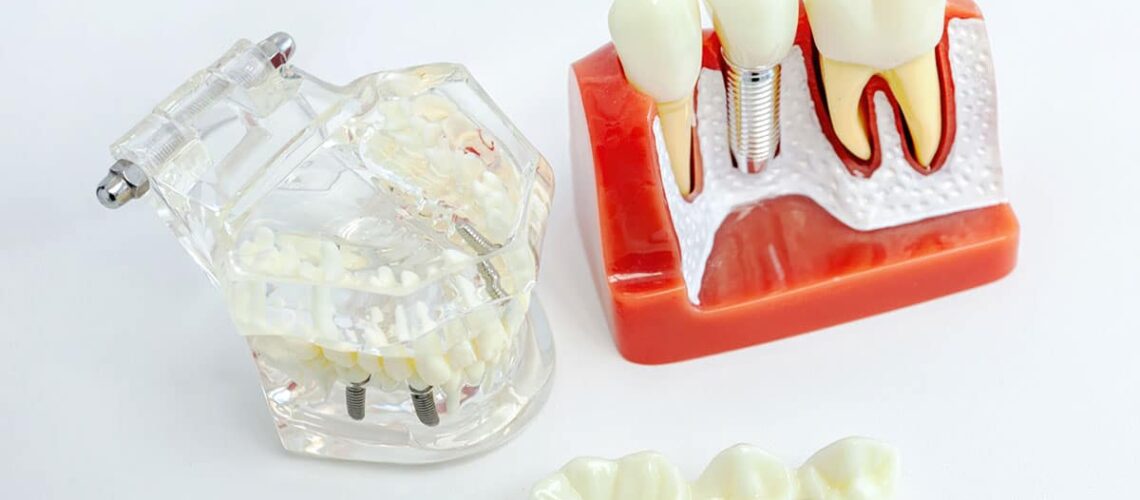
A dental implant is a modern, long-lasting solution for replacing missing teeth. It consists of a small screw-like post, usually made of titanium or sometimes zirconia, that is surgically placed into the jawbone, acting as an artificial tooth root. Over several months, the implant fuses with the surrounding bone through a natural process called osseointegration, creating a stable foundation. Once healed, a custom-made dental crown, bridge, or even a full denture is attached to the implant, restoring the look and function of natural teeth.
Unlike traditional bridges, implants do not rely on neighbouring teeth for support, making them a standalone replacement that helps preserve surrounding oral structures. They also provide stimulation to the jawbone, preventing the bone loss that often follows tooth loss.
Key Facts About Dental Implants
- Success rate: ~95–98% when placed by an experienced dentist or specialist (American Dental Association).
- Longevity: Typically last 20+ years but many patients keep them for life with proper care.
- Versatility: Can replace a single tooth, multiple teeth, or support implant-retained dentures (“All-on-4” or “All-on-6” systems).
- Maintenance: Require daily brushing, flossing, and routine dental visits but do not decay like natural teeth.
In short, dental implants are considered the gold standard for tooth replacement because they look, feel, and function almost exactly like natural teeth while offering unmatched stability and durability.

What Is a Dental Bridge?
A dental bridge is a fixed dental prosthesis used to replace one or more missing teeth by literally “bridging” the gap. The replacement tooth, called a pontic, is anchored to neighbouring natural teeth or implants for support. Unlike dental implants, bridges do not replace the tooth root; instead, they sit above the gumline to restore chewing function, aesthetics, and alignment.
Bridges are especially useful when the surrounding teeth are strong enough to act as anchors (abutments) or when a patient may not be a candidate for implants due to cost, bone health, or medical concerns.
Types of Dental Bridges
Traditional Bridge – The most common type. A crown is placed on each side of the gap, with the pontic secured in between. Requires reshaping of the adjacent teeth.
Cantilever Bridge – Supported by only one abutment tooth. Less common today, but sometimes used in areas with lower chewing force (e.g., front teeth).
Maryland Bridge – Uses a metal or porcelain framework bonded to the back of adjacent teeth instead of crowns. Less invasive but also less durable.
Implant-Supported Bridge – Anchored to dental implants instead of natural teeth. More stable, prevents bone loss, and useful for replacing multiple missing teeth.
Key Facts About Dental Bridges
- Lifespan: Typically 5–15 years, though some last longer with excellent oral hygiene.
- Procedure time: Often completed in just 1–2 dental visits, making it quicker and less invasive than implants.
- Maintenance: Requires careful brushing, flossing (often with a floss threader), and regular checkups to protect the supporting teeth.
In short, a dental bridge is a faster and more affordable solution than implants in many cases, but it relies on the health of adjacent teeth and usually has a shorter lifespan.
Pros & Cons of Dental Implants
✅ Pros of Dental Implants
- Longest lifespan: With proper care, implants can last 20+ years and often a lifetime, making them the most durable option for tooth replacement.
- Preserve jawbone & facial structure: Because implants replace the tooth root, they stimulate the jawbone and prevent bone loss. This helps maintain your natural facial shape and prevents the “sunken” look that can occur with missing teeth.
- Independent solution: Implants don’t require support from neighbouring teeth. This protects healthy teeth from being filed down or stressed, unlike bridges.
- High success rate: Studies show a success rate of 95–98%, especially when placed by an experienced dentist or oral surgeon.
- Natural look and feel: Implants are anchored securely in the jawbone, so they look, feel, and function almost identically to natural teeth — including chewing strength and speech clarity.
❌ Cons of Dental Implants
- Higher upfront cost: Dental implants are typically the most expensive tooth replacement option, ranging from $3,000–$7,500 USD or $2,000–$6,000 CAD per tooth.
- Surgical procedure required: Placement involves oral surgery and a healing period of 4–9 months, which may not be ideal for patients seeking a quick solution.
- Insurance limitations: Many insurance plans cover bridges but not implants, considering them “cosmetic,” though this is slowly changing.
- Bone health requirements: A healthy jawbone is needed to support an implant. If bone loss has occurred, additional procedures like bone grafting or sinus lifts may be necessary, adding time and cost.
Pros & Cons of Dental Bridges
✅ Pros of Dental Bridges
- Lower upfront cost: Bridges are usually less expensive than implants, costing $1,500–$5,000 CAD, depending on type and materials.
- Faster procedure: The process usually takes 1–3 weeks with only a few dental visits, compared to months for implants.
- No surgery required: Bridges are non-surgical, making them a good option for patients who prefer or need a less invasive treatment.
- More likely covered by insurance: Most dental insurance plans cover part or all of the cost of bridges, making them a more budget-friendly choice upfront.
❌ Cons of Dental Bridges
- Shorter lifespan: Bridges last an average of 5–15 years before needing repair or replacement, unlike implants, which may last a lifetime.
- Impact on healthy teeth: Supporting (abutment) teeth must often be filed down to anchor the bridge, which can weaken them and increase the risk of decay or failure.
- No bone preservation: Since bridges sit above the gumline, they don’t stimulate the jawbone, which can lead to bone loss and changes in facial appearance over time.
- May require multiple replacements: Because bridges have a limited lifespan, patients may need to replace them several times over a lifetime, potentially offsetting the lower initial cost.

Who Is a Candidate?
Choosing between a dental implant and a dental bridge often comes down to your oral health, medical history, and personal preferences. Here’s what typically makes someone a good candidate for each option:
Dental Implant Candidate
Dental implants are ideal for patients who want a long-term, permanent solution. To qualify, you usually need:
- Healthy gums: Gum disease must be treated first to ensure a stable foundation.
- Adequate jawbone density: A strong jawbone is necessary to support the implant post. If bone loss has occurred, procedures like bone grafting or sinus lifts may be required before implant placement.
- Good overall health: Since implants involve surgery, candidates should be in generally good health and free from conditions that slow healing.
- Non-smoker (or willing to quit): Smoking significantly increases the risk of implant failure by reducing blood flow and slowing bone healing.
- Commitment to oral hygiene: Successful implants require excellent daily brushing, flossing, and regular dental visits.
Not ideal for: Patients with uncontrolled diabetes, certain cancers, compromised immune systems, or severe, untreated bone loss may not be good candidates without additional medical or surgical intervention.
Dental Bridge Candidate
Dental bridges are often recommended for patients seeking a faster, less invasive, and more budget-friendly solution. Good candidates typically include:
- Patients with healthy adjacent teeth: Since bridges rely on neighbouring teeth for support, these teeth must be strong enough to act as anchors.
- Those who prefer a quicker procedure: Bridges can often be completed in just 1–3 weeks, making them a good option for those who want immediate restoration.
- Patients not suitable for surgery: People who cannot undergo oral surgery due to medical conditions, medications, or personal preference may benefit more from a bridge.
- Individuals with limited bone density: Because bridges sit above the gumline, they do not require the same bone support as implants — no grafting is needed.
- Those looking for lower upfront cost: Bridges are usually more affordable initially and are more often covered by dental insurance.
Not ideal for: Patients who want a long-term, permanent solution with jawbone preservation, or those who already have weakened or damaged adjacent teeth that wouldn’t support a bridge.
Cost Over Time: Implants vs Bridges
When comparing dental implants and bridges, initial cost and long-term value are two of the most important factors to consider.
- Bridges are generally less expensive upfront, making them an attractive choice for patients who need a faster, more affordable solution. However, bridges typically last 5–15 years, depending on oral hygiene and wear. This means they often require replacement multiple times over a patient’s lifetime. Each replacement involves not just the cost of the new bridge, but also potential dental work on the supporting teeth.
- Implants come with a higher initial cost because they require surgery, materials (titanium post and crown), and sometimes bone grafting. However, once placed successfully, an implant can last 20 years or more — often a lifetime. This durability means that while the upfront expense is higher, implants often become more cost-effective in the long run.
Example Cost Scenario
Dental Bridge:
Average cost: $2,000–$5,000 per bridge (Canada/US range)
Lifespan: ~10 years (average)
Over 30 years: 3 replacements = $6,000–$15,000+
Dental Implant:
Average cost: $3,000–$7,500 per implant (Canada/US range)
Lifespan: 20+ years (often permanent)
Over 30 years: 1 procedure = $3,000–$7,500
Even though bridges may seem more affordable initially, their cumulative cost over decades can exceed that of implants. Implants not only last longer but also protect jawbone health and surrounding teeth, offering both financial and health benefits in the long term.
Recovery & Maintenance
The recovery process and daily care differ significantly between dental implants and dental bridges, and these differences often influence a patient’s decision.
Dental Implants
- Recovery: After implant surgery, patients typically experience mild swelling or discomfort for a few days. However, the true healing process — known as osseointegration (when the implant fuses with the jawbone) — takes 4–6 months before the permanent crown can be attached. In cases requiring bone grafting, healing can take longer.
- Maintenance: Once fully healed, implants can be cared for just like natural teeth with regular brushing, flossing, and dental checkups. There’s no need for special tools, but maintaining gum health is essential since peri-implantitis (a form of gum disease) can threaten the implant’s success.
Dental Bridges
- Recovery: Bridges usually require little downtime. Patients can return to normal eating and speaking within a few days after placement, once minor soreness subsides. Because no surgery is involved, healing is much faster compared to implants.
- Maintenance: Cleaning under and around a bridge requires extra effort. Food particles and plaque can easily collect beneath the pontic (the false tooth). Patients often need special floss threaders, water flossers, or interdental brushes to keep the area clean. Without diligent hygiene, the supporting teeth may develop decay or gum disease, potentially shortening the bridge’s lifespan.