
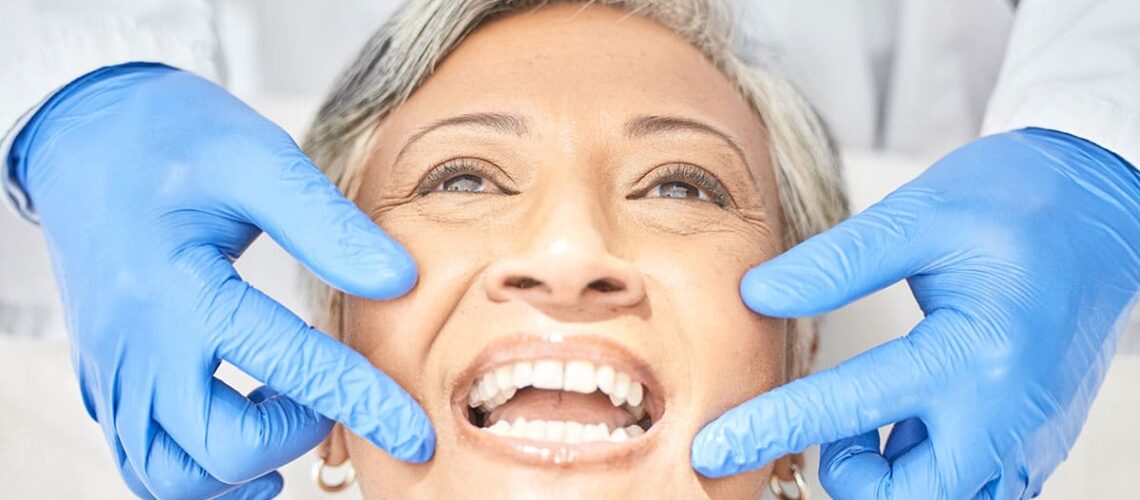
Daily Denture Care for Seniors
How Often Should Elderly Patients Clean Dentures?
Consistent cleaning is the most critical step in maintaining dentures. Dentures should be cleaned at least twice a day — once in the morning after waking up, and again before bed. This routine prevents food particles, plaque, and harmful bacteria from accumulating, which can otherwise lead to unpleasant odours, fungal infections such as denture stomatitis, and irritation of the soft tissues.
For elderly denture wearers, daily cleaning isn’t only about fresh breath — it also protects overall oral and systemic health. Studies show that poor denture hygiene can increase the risk of respiratory infections, pneumonia, and the worsening of chronic conditions, such as diabetes.
Seniors with arthritis, limited mobility, or reduced grip strength may find denture cleaning challenging. In such cases, adaptive tools like wide-handled denture brushes, non-slip grips, or electric denture cleaners can make the process easier and more effective. Caregivers should also be prepared to assist when needed.
Best Practices for Cleaning Dentures
To keep dentures fresh, clean, and long-lasting, seniors should follow these proven steps:
- Rinse after meals: Run dentures under lukewarm water after eating to dislodge food particles before they harden into plaque.
- Brush gently but thoroughly: Use a soft-bristled denture brush or one specifically designed for elderly denture care. Avoid stiff brushes, which may scratch the acrylic surface.
- Choose the right cleanser: Use only non-abrasive denture cleansers. Regular toothpaste is too harsh and can cause microscopic scratches that harbour bacteria.
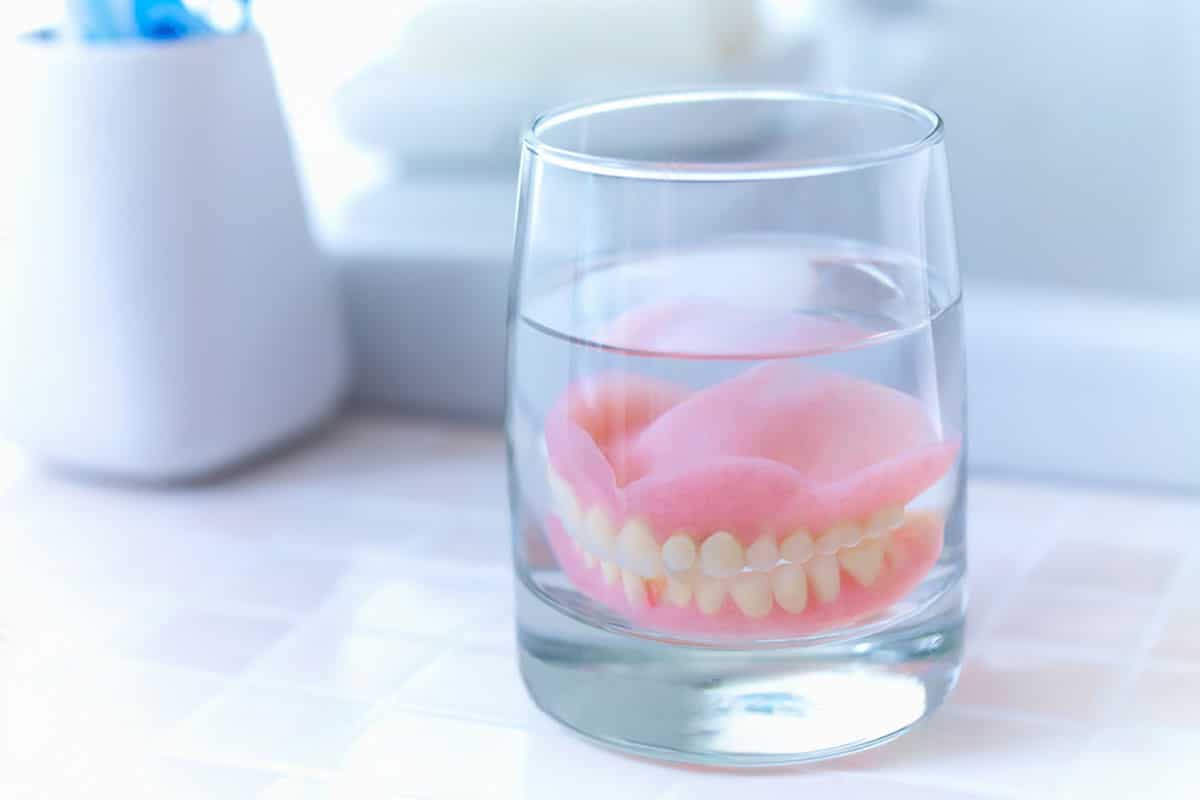
- Soak overnight: Store dentures in a dentist-recommended cleaning solution or plain water while sleeping. This prevents warping, reduces bacterial buildup, and gives gum tissues time to rest.
- Clean the mouth, too: Even if there are no natural teeth, seniors should gently brush their gums, tongue, and palate daily to reduce bacteria and keep tissues healthy.
Dentist Tip: Always clean dentures over a folded towel or a sink filled with water. This prevents accidental breakage if the denture slips out of your hand during cleaning — a common issue for elderly wearers.
Best Brushes for Senior Dentures
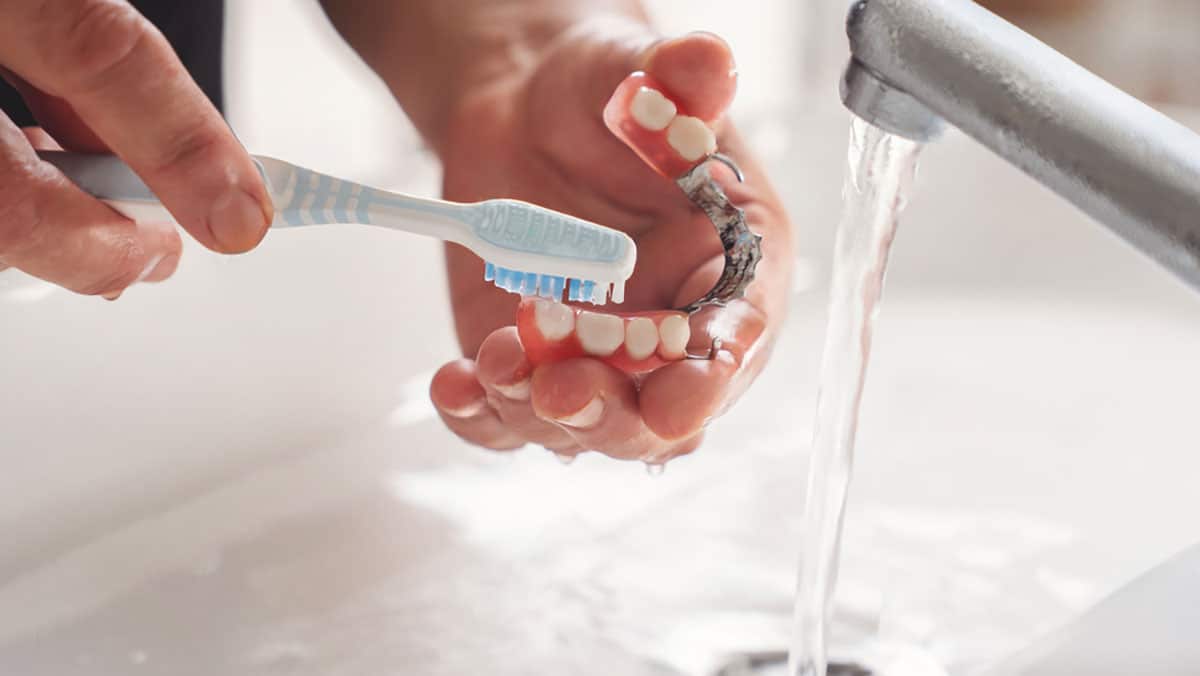
A soft-bristled denture brush is the gold standard for cleaning because it protects the acrylic surface from scratches while still removing plaque and food debris effectively. Scratched dentures not only wear down faster but also create tiny grooves that can harbour bacteria and yeast, leading to infections or persistent odours.
For elderly denture wearers, comfort and ease of use are just as important as cleaning effectiveness. Many seniors live with arthritis, hand tremors, or reduced grip strength, which can make traditional brushing difficult. Choosing the right brush can make the difference between a thorough cleaning and one that leaves harmful buildup behind.
Features to Look For in a Denture Brush
- Soft, rounded bristles: Prevent scratching and feel gentle on denture surfaces.
- Dual-head designs: Some brushes feature two different heads — a larger one for broad surfaces and a smaller, tapered head for harder-to-reach areas like grooves and clasps.
- Ergonomic handles: Wide, non-slip handles provide better control and reduce hand fatigue.
Options for Seniors with Limited Mobility
- Large-handle brushes: Brushes with built-in thick handles are easier to grip and maneuver.
- Foam tubing grips: Caregivers can slide foam tubing over a standard denture brush handle to create a custom grip for seniors with arthritis or weak hands.
- Battery-powered denture brushes: These gently vibrate or rotate to help remove buildup with less manual effort, reducing strain on the hands and wrists.
Caregiver Support
For elderly individuals with advanced dexterity challenges, caregivers may need to assist with brushing. In these cases:
- Position the senior in a well-lit, comfortable space.
- Use adaptive brushes or cleaning devices to minimize the risk of incomplete cleaning.
- Always inspect dentures after brushing to ensure no food particles or adhesive remain.
Dentist Tip: Replace denture brushes every 3–4 months, or sooner if bristles become worn. Old, frayed bristles are less effective and can damage dentures over time.
Denture Adhesive Tips for Seniors
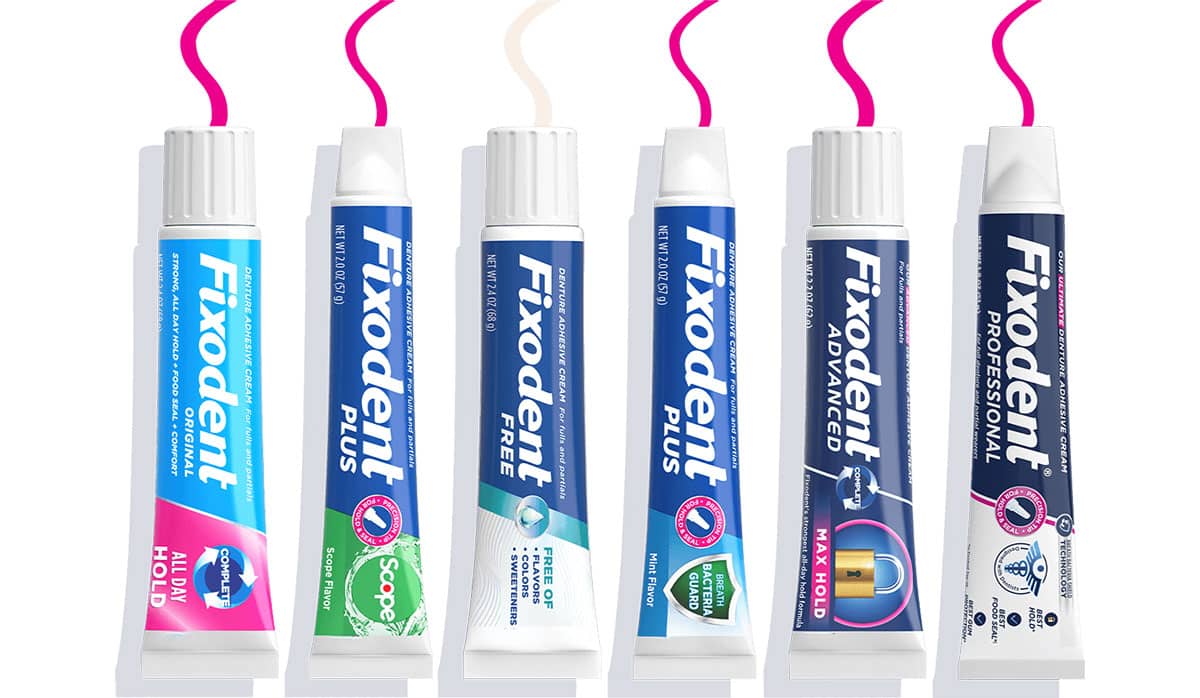
For many elderly denture wearers, adhesives provide added stability and comfort. They help dentures stay in place while talking, eating, and smiling, reducing the risk of embarrassing slips or gum irritation. However, adhesives are meant to supplement a well-fitting denture — not replace professional adjustments. When used correctly, they can make daily wear more comfortable, but improper use may lead to residue buildup, infections, or poor fit over time.
Best Practices for Using Denture Adhesives
- Apply sparingly: A thin, even layer is all that’s needed. Too much adhesive can ooze out, feel sticky, and make cleaning more difficult.
- Focus on placement: Apply in short strips or dots, not across the entire surface. This ensures a secure hold without mess.
- Remove daily: Clean away all adhesive at night during denture care. Residue left on dentures or gums can harbour bacteria and irritate soft tissues.
- Rinse before reapplying: Always wash dentures thoroughly before applying fresh adhesive in the morning.
When Adhesives Signal a Problem
If dentures only feel secure with large amounts of adhesive, this usually means the fit has changed. Over time, natural changes in the jawbone and gum tissues can cause dentures to loosen. Instead of relying on excess adhesive, seniors should:
- Schedule a dental checkup to see if a reline, rebase, or replacement is needed.
- Ask their dentist whether implant-supported dentures may be a better long-term option.
Choosing the Right Adhesive
Not all adhesives are created equal. Seniors should:
- Consult their dentist: Some brands contain zinc, which may cause health issues in excessive amounts. Dentists can recommend safe, effective products.
- Look for the CDA or ADA Seal of Acceptance: This ensures the adhesive meets safety and effectiveness standards.
- Consider sensitivity: For seniors with dry mouth or sensitive tissues, water-based adhesives may feel gentler than stronger pastes or powders.
Dentist Tip: Never use household glue or non-dental adhesives. Only products designed for dentures are safe for oral use.
Preventing Denture Stomatitis in the Elderly
Denture stomatitis is one of the most frequent oral health problems in elderly denture wearers. It occurs when the soft tissues beneath the denture base become inflamed, usually due to fungal overgrowth of Candida albicans. While it is often painless, it can cause redness, soreness, swelling, and irritation, making it uncomfortable to wear dentures or eat properly. In severe cases, it may also contribute to mouth ulcers or secondary bacterial infections.
Older adults are particularly vulnerable because aging often brings weakened immunity, dry mouth (xerostomia), and chronic health conditions such as diabetes, all of which increase the risk of fungal infections. Poorly fitting dentures, inadequate cleaning, and continuous denture wear (especially at night) can make the condition worse.
Prevention Strategies for Seniors and Caregivers
- Remove dentures at night: The single most effective step is taking dentures out before bed. This gives gum tissues time to rest and recover, while reducing the warm, moist environment in which fungi thrive.
- Clean dentures and mouth tissues daily: Dentures should be brushed and soaked in an antifungal or antibacterial cleaning solution. At the same time, gums, tongue, and palate should be gently brushed or wiped with a soft cloth to remove biofilm and bacteria.
- Stay hydrated: Saliva helps naturally control fungal growth. Seniors who take multiple medications may experience dry mouth, so frequent sips of water, sugar-free lozenges, or saliva substitutes can help maintain moisture.
- Avoid smoking and limit alcohol: Tobacco and alcohol irritate oral tissues, dry out the mouth, and weaken the natural defence against fungal overgrowth.
- Check denture fit: Loose or worn dentures can cause friction and tiny sores, which increase the risk of infection. Regular dental visits help ensure dentures fit properly.
- Routine dental checkups: Seniors should see a dentist at least once a year for a professional denture cleaning, tissue evaluation, and early detection of any fungal infection.
When to Seek Professional Help
If redness, soreness, or swelling persists despite good hygiene, seniors should visit a dentist or physician. Treatment may involve:
- Prescription antifungal rinses or gels
- Professional denture cleaning and polishing
- Adjusting or relining dentures to improve fit
Dentist Tip: Denture stomatitis may not always be painful, so caregivers should regularly inspect the gums of elderly patients for redness or irritation — even if the senior isn’t complaining. Early detection makes treatment easier and prevents complications.
Nighttime Denture Removal: Why It Matters

A common question among elderly denture wearers is: “Should I sleep with my dentures in?” The answer, in almost all cases, is no. While it may feel convenient to keep dentures in overnight, doing so can have adverse effects on both oral health and the dentures themselves.
Why Dentures Should Be Removed at Night
- Prevents gum irritation and tissue inflammation: Wearing dentures 24/7 puts constant pressure on the gums and underlying bone. This can lead to sore spots, swelling, and painful ulcers over time.
- Reduces risk of infections like denture stomatitis: Continuous wear creates a warm, moist environment under the denture, which is ideal for fungal and bacterial overgrowth. Removing dentures at night disrupts this cycle and allows tissues to breathe.
- Improves circulation in the gums: Just like the rest of the body, oral tissues need time to rest and recover. Taking dentures out at night restores blood flow, which helps keep gums healthy and resilient.
- Prolongs the lifespan of dentures: Constant wear accelerates wear and tear on the denture material. Nightly removal gives the appliance a break, helping to preserve its shape and structure.
- Improves overall health: Research shows that elderly adults who sleep with dentures are at a higher risk of pneumonia, as bacteria and fungi from unclean dentures can be inhaled during sleep.
How to Properly Store Dentures Overnight
Once removed, dentures should never be left to dry out, as this can cause warping or cracking. Instead:
- Place them in water or a dentist-approved soaking solution to keep them moist.
- Use antibacterial or antifungal soaking tablets if recommended, especially for seniors prone to oral infections.
- Keep storage containers clean and covered to prevent contamination.
Caregiver Tip
For elderly individuals with memory challenges, caregivers can incorporate denture removal into the nightly routine, pairing it with brushing and bedtime hygiene. Labelling denture containers or keeping them in a consistent location also reduces the chance of misplacement.
Dentist Tip: If a senior feels uncomfortable without dentures at night, remind them that the short-term adjustment is well worth the long-term benefits of healthier gums, fresher breath, and longer-lasting dentures.
Denture Maintenance for Senior Citizens
Dentures are not a “set it and forget it” solution. Over time, they naturally change due to everyday wear, natural jawbone resorption, and shifting of the gums. Without proper maintenance, dentures may become loose, uncomfortable, or even harmful to oral health. Regular upkeep ensures they remain functional, comfortable, and long-lasting.
Key Maintenance Practices
- Regular dental checkups: Seniors should visit the dentist at least once a year, even if everything feels fine. During these visits, the dentist checks for changes in fit, screens for oral diseases, and cleans the dentures professionally. If dentures start to slip, rub, or cause sore spots, it’s essential to schedule an appointment sooner.
- Relining and rebasing: Because gums and bone naturally shrink over time, dentures that once fit perfectly may become loose. Dentists can adjust them through:
Relining – adding new material to the inner surface so it better conforms to the gums.
Rebasing – replacing the entire base while reusing the existing teeth.
These procedures are typically needed every 2–3 years, depending on changes in the mouth.
- Replacement: Even with the best care, dentures usually last 5–7 years. Beyond that, the material may wear down, discolour, or become difficult to adjust. Replacing dentures ensures continued comfort, better chewing ability, and a natural appearance.
- Check for damage: Seniors and caregivers should inspect dentures regularly for cracks, chips, or sharp edges. These can irritate soft tissues, create sores, or allow bacteria to collect. Any damage should be reported to a dentist immediately — never attempt home repairs with glue or adhesives.
Why Maintenance Matters
- Comfort and function: Well-maintained dentures make eating, speaking, and smiling easier.
- Oral health: Poorly fitting dentures can lead to gum sores, fungal infections, and even bone loss.
- Overall health: Ill-fitting dentures may discourage proper chewing, leading to nutritional deficiencies in elderly patients.
Dentist Tip: Store all dental appointment dates in a calendar or reminder system. For seniors in assisted living, caregivers can coordinate with dentists to ensure timely relines and replacements.
Additional Oral Health Tips for Elderly Denture Wearers
Even when natural teeth are gone, oral care does not end. Healthy gums, tongue, and supporting tissues are just as important for comfort, infection prevention, and overall health. In fact, studies show that seniors with good oral hygiene experience better nutrition, an improved quality of life, and a lower risk of systemic conditions, such as pneumonia and cardiovascular disease.
Key Oral Health Practices for Seniors
- Brush the gums, tongue, and palate daily: Using a soft-bristled toothbrush or foam swab helps remove food particles and bacteria that cling to oral tissues. This prevents bad breath, reduces fungal growth, and stimulates circulation in the gums, which keeps tissues healthy and resilient.
- Stay hydrated to combat dry mouth: Many elderly patients take multiple medications (for blood pressure, diabetes, or mood disorders) that reduce saliva flow. Saliva is essential for neutralizing acids and controlling harmful microbes. Seniors should sip water throughout the day, use sugar-free lozenges or xylitol gum, and ask their dentist about saliva substitutes if dryness persists.
- Maintain a balanced, nutrient-rich diet: Nutrients like vitamin C (citrus, berries, peppers) help strengthen gum tissue, while calcium and vitamin D (dairy, leafy greens, fortified foods) preserve jawbone density. Adequate protein (fish, eggs, beans) also supports tissue healing and overall oral resilience.
- Limit sugary foods and drinks: Sugars encourage plaque buildup and feed the yeast that causes denture stomatitis. Seniors should reduce consumption of candy, sodas, and sticky desserts, choosing tooth-friendly snacks like cheese, nuts (if chewable), or fresh fruit instead.
- Don’t forget oral cancer screenings: Elderly adults are at higher risk for oral cancers, especially those with a history of smoking or alcohol use. Regular dental visits ensure that tissues under and around dentures are monitored for early signs.
- Consult your dentist about other options: While dentures are a great way to replace missing teeth, other options such as bridges or dental implants can often provide a more natural and useful alternative.
Caregiver Tip
For seniors with limited mobility or memory issues, caregivers can incorporate oral care into daily routines — for example, brushing gums after breakfast and before bed while dentures are soaking. Using mild, alcohol-free mouth rinses can also help keep the mouth fresh and comfortable.
Dentist Tip: Even if a senior no longer has natural teeth, they should continue seeing a dentist regularly. Oral exams detect issues like fungal infections, gum disease, and oral cancer early — when treatment is most effective.