
What are braces, and how do they work?
Braces are orthodontic devices used to straighten and align teeth, correct bite issues, and improve the overall function and appearance of the mouth. They have several components, including brackets, wires, bands, and sometimes additional appliances like rubber bands or headgear.
Braces work by exerting controlled, gradual pressure on the teeth, stimulating the bone around them to change shape. This allows the teeth to move into their desired positions. The treatment process can address many orthodontic problems, including crowded teeth, gaps, overbites, underbites, and crossbites.
What are the different types of braces?
There are several different types of braces available today, each with its unique features and advantages. The choice of braces depends on individual needs, preferences, and the recommendations of an orthodontist.
The four most common types of braces that orthodontists use include:
Metal Braces
Traditional metal braces consist of metal brackets bonded to each tooth’s front and connected by metal wires.
They are highly effective for correcting a wide range of orthodontic issues.
Modern metal braces are smaller and more comfortable than earlier versions.

Ceramic Braces
Ceramic braces are similar to traditional metal braces but use clear or tooth-coloured brackets and wires to make them less noticeable.
They are popular among adults and older teens who want a more discreet option.
Lingual Braces
Lingual braces are custom-made to be placed on the teeth’ back (lingual) surface, making them nearly invisible from the front.
They are a discreet option but may take some time to get used to and can be more challenging to clean.

Clear Aligners (Invisalign)
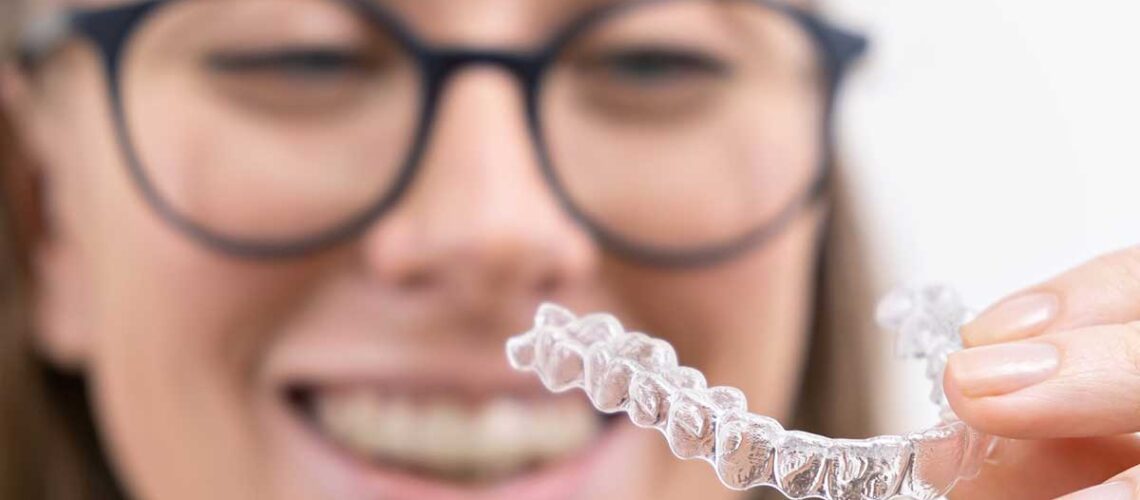
Clear aligners, like Invisalign, are a series of custom-made, removable plastic trays that gradually move the teeth into their correct positions.
They are virtually invisible and can be removed for eating and oral hygiene.
Clear aligners are suitable for mild to moderate orthodontic issues.

What are clear aligners (Invisalign), and how do they work?
Clear aligners, such as the popular brand Invisalign, are a type of orthodontic treatment used to straighten teeth and correct various dental alignment issues. They are a discreet and removable alternative to traditional braces. Here’s how clear aligners work:
Step 1: Customization
The clear aligner treatment begins with a comprehensive examination by an orthodontist or dentist. They will take X-rays, photographs, and impressions of your teeth. These data are used to create a 3D digital model of your teeth, which serves as the foundation for your treatment plan.
Step 2: Treatment planning
Using the digital model of your teeth, your orthodontist will map out a precise treatment plan. They will determine how your teeth need to move and create a series of aligners to achieve the desired results gradually.
Step 3: Aligner fabrication
Based on the treatment plan, a series of custom-made aligners are fabricated. These aligners are made from a clear, BPA-free plastic material that is virtually invisible when worn. They look similar to a mouthguard but are much more sophisticated and precise.
Step 4: Wearing the aligners
You’ll receive a set of aligners, typically in pairs, for the upper and lower teeth. Each set of aligners is worn for a specified period, usually about two weeks. You’ll wear them for most of the day and night, removing them only when eating, drinking, brushing, and flossing.
Step 5: Gradual tooth movement
Each set of aligners is designed to exert gentle, controlled pressure on specific teeth, gradually shifting them into their prescribed positions. Over time, as you progress through the series of aligners, your teeth will move closer to the desired alignment.
Step 6: Progress checkups
You’ll have periodic checkup appointments with your orthodontist to monitor your progress and receive the next set of aligners. These appointments typically occur every 6 to 8 weeks.
Step 7: Maintenance
Proper oral hygiene is crucial during clear aligner treatment. You can easily remove the aligners to brush and floss your teeth and clean the aligners themselves.
Step 8: Duration of treatment
The length of clear aligner treatment varies depending on the complexity of your orthodontic issues. In many cases, it lasts between 6 months to 2 years, though it can be longer or shorter based on individual needs.
Step 9: Retention
After completing the active phase of treatment, you’ll receive a retainer to wear at night to maintain the newly aligned position of your teeth. This phase is essential to prevent relapse.
Are Invisalign clear aligners as effective as regular braces?
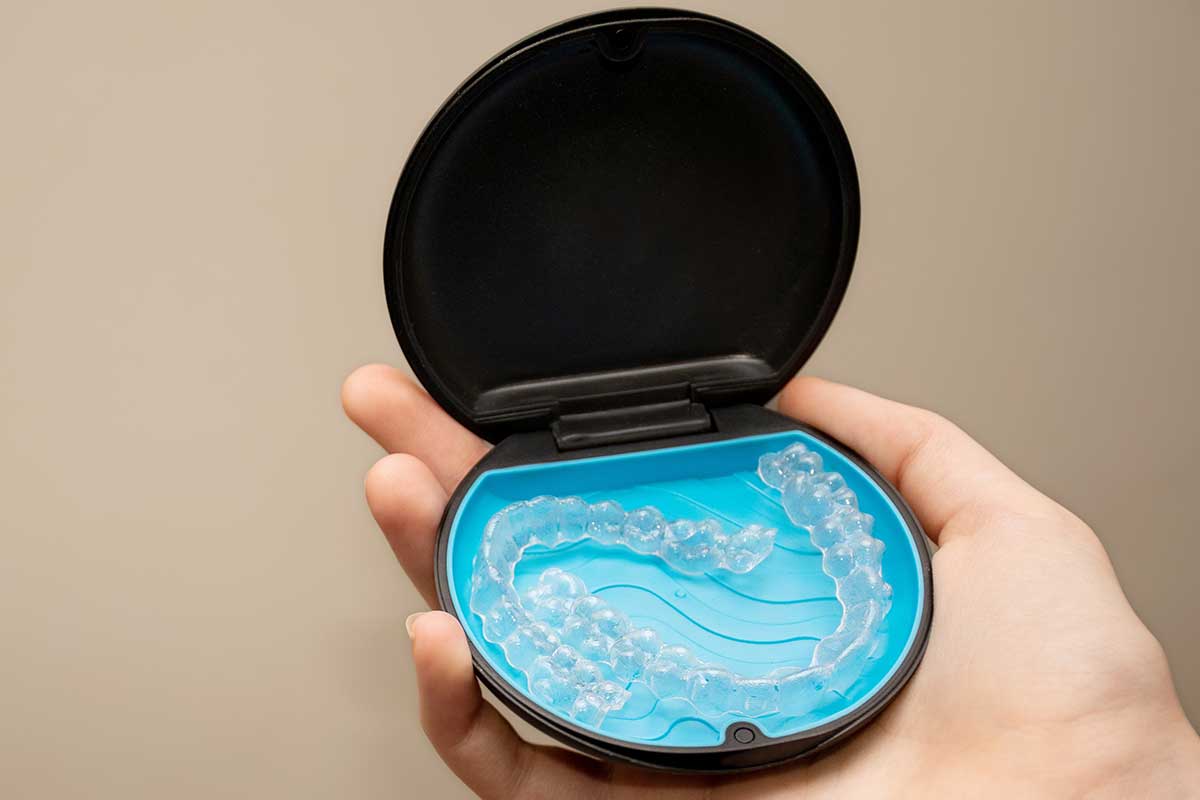
Clear aligners effectively treat various orthodontic issues, including crowded teeth, spacing issues, overbites, underbites, and crossbites. They are famous for their cosmetic appeal, as they are nearly invisible when worn, making them a discreet option for adults and teens seeking orthodontic treatment. Clear aligners offer flexibility and comfort compared to traditional braces while delivering effective results. However, clear aligners are typically best suited for mild to moderate cases, and their effectiveness depends on the patient’s needs.
Advantages of clear aligners vs. braces
Clear aligners offer several advantages as an orthodontic treatment option, making them popular for many individuals seeking to improve their dental alignment and smile. Here are some of the key advantages of clear aligners:
Cosmetic appeal: One of the most significant advantages of clear aligners is their nearly invisible appearance. They are made from a clear, transparent material that is far less noticeable than traditional metal braces. This discretion appeals to adults and teens concerned about the aesthetics of orthodontic treatment.
Removability: Clear aligners are removable, allowing you to take them out when eating, drinking, brushing, and flossing. This makes mealtime more convenient and enables better oral hygiene maintenance compared to fixed braces.
Comfort: Clear aligners are generally more comfortable to wear than traditional braces because they lack sharp brackets and wires that can irritate the cheeks and lips. There are no metal components to cause discomfort.
No dietary restrictions: Since clear aligners can be removed for eating and drinking, you don’t need to adhere to dietary restrictions often associated with traditional braces. You can enjoy all your favourite foods without worrying about damaging orthodontic hardware.
Predictable treatment: Clear aligners are designed using advanced computer technology, allowing orthodontists to plan and predict the movement of your teeth with precision. This often leads to predictable treatment outcomes.
Convenience: Clear aligner treatment typically requires fewer in-office appointments than traditional braces because no adjustments are needed. This can be more convenient for individuals with busy schedules.
Improved oral hygiene: The ability to remove clear aligners makes it easier to maintain good oral hygiene habits. You can brush and floss your teeth as you normally would, reducing the risk of plaque buildup and gum problems.
Less impact on speech: Some individuals find that clear aligners have less impact on speech than traditional braces, which can cause temporary changes in speech patterns.
Versatile for mild to moderate cases: Clear aligners are effective for treating a wide range of orthodontic issues, including mild to moderate cases of crowding, spacing, and bite problems.
Customization: Each set of clear aligners is custom-made to fit your teeth and follow your unique treatment plan, optimizing the efficiency of tooth movement.
Disadvantages of clear aligners
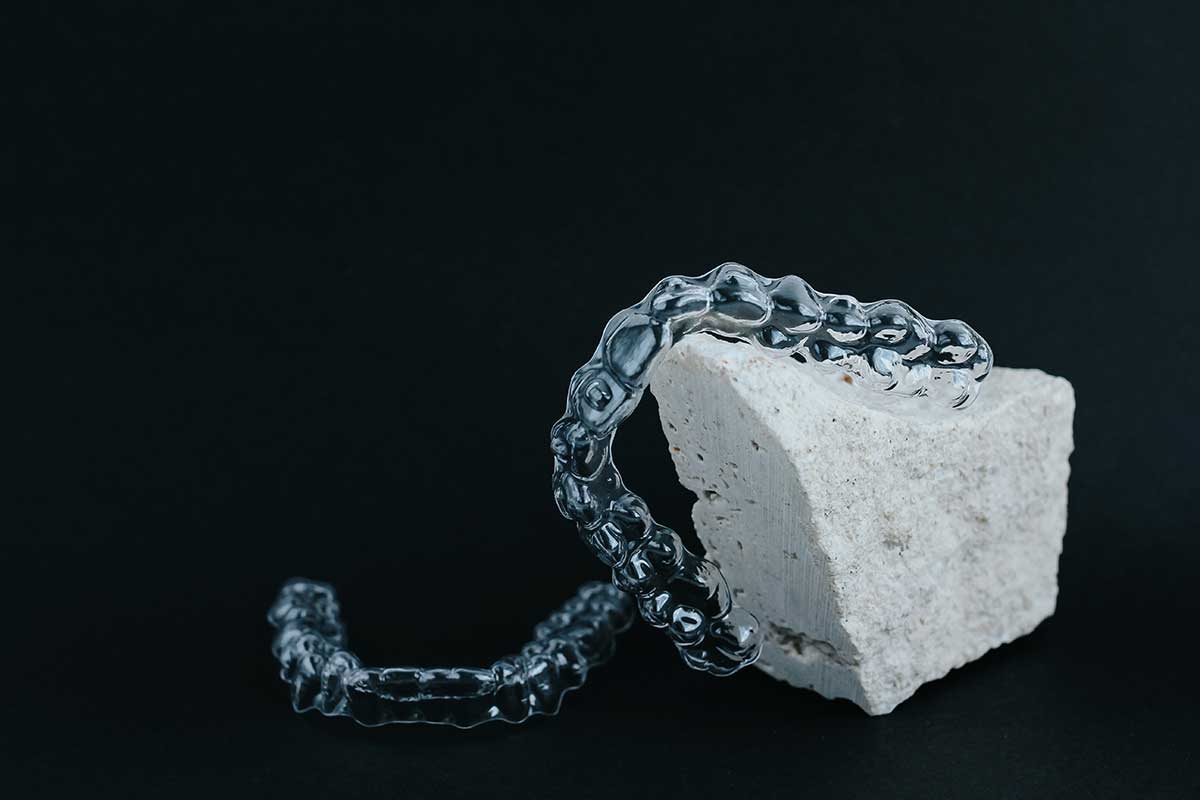
While clear aligners offer numerous advantages, they also have disadvantages and considerations. It’s important to consider these factors when considering clear aligner treatment. The most common disadvantages of clear aligners include:
Limited suitability for complex cases: Clear aligners are most effective for mild to moderate orthodontic issues, such as minor crowding or spacing problems. They may not be the best choice for complex cases that require extensive tooth movement or significant bite correction. In such cases, traditional braces may be more suitable.
Require patient diligence: Clear aligners are removable, which means that their effectiveness relies on your commitment to wearing them as directed by your orthodontist. Failure to wear the aligners consistently can lead to treatment delays or suboptimal results.
Treatment duration: In some cases, clear aligner treatment may take longer to achieve the desired results compared to traditional braces. This can be a disadvantage if you are looking for a quicker solution.
Speech impediments: Some individuals may experience temporary speech impediments when wearing clear aligners, particularly during the initial adjustment period. This is because the aligners cover the teeth and can affect the way you pronounce certain sounds.
Cost: Clear aligner treatment can be more expensive than traditional braces, depending on the brand and the complexity of your case. It’s important to consider the cost when making your decision.
Maintenance: Clear aligners require diligent maintenance to keep them clean and free of stains or odours. Failure to clean them properly can lead to discoloration and unpleasant smells.
Not suitable for all ages: While clear aligners are suitable for many adults and older teenagers, they may not be recommended for young children or individuals with certain dental conditions. Your orthodontist will assess your suitability for clear aligners based on your age and dental health.
Attachment buttons: Sometimes, small tooth-coloured attachments called buttons may be required to assist with tooth movement. These attachments can be visible on the teeth and may impact the discreet appearance of clear aligners.
Initial discomfort: Like traditional braces, clear aligners can cause initial discomfort and pressure on the teeth as they are adjusted. Some individuals may find this uncomfortable during the first few days of wearing each new set of aligners.
Retainers required: After completing clear aligner treatment, you will likely need to wear a retainer to maintain the results. This is a long-term commitment to ensure your teeth do not shift back to their previous positions.
Advantages of traditional braces
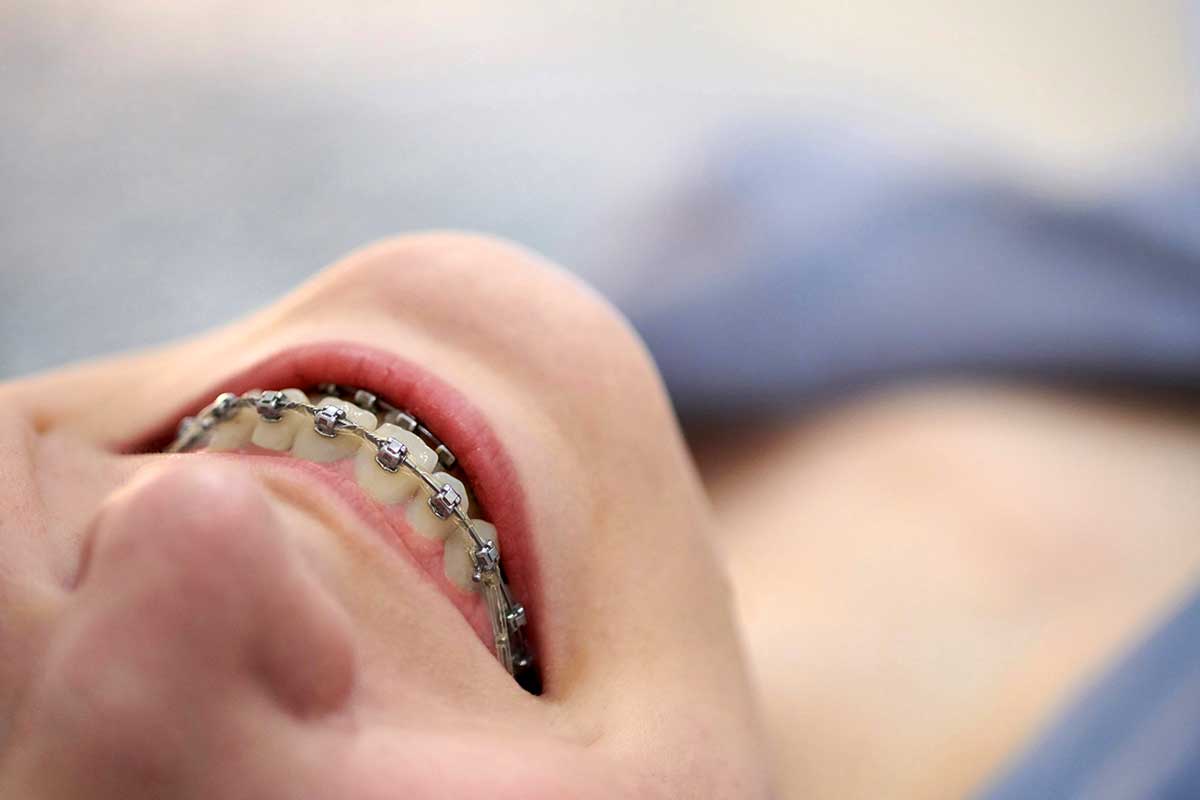
Traditional braces, known as metal braces, have been a trusted orthodontic treatment for decades. They offer several advantages, making them an effective choice for many individuals seeking to correct dental alignment issues. Here are some of the advantages of regular braces that might make them the better option for some patients:
Effective for all cases: Traditional braces are highly versatile and suitable for various orthodontic issues, from mild to severe. They can address crowding, spacing, overbites, underbites, and crossbites.
Precise tooth control: Orthodontists have precise control over tooth movement with traditional braces. They can adjust brackets and wires during each appointment to ensure that teeth are moving according to the treatment plan.
Predictable results: Traditional braces have a long track record of success and are known for delivering predictable and reliable results. Orthodontists have a high level of control over tooth movement, making outcomes more predictable.
No compliance required: Unlike clear aligners, traditional braces are fixed in place, so there’s no need for the patient to remember to wear them consistently. This eliminates concerns about compliance, which can be an issue with removable aligners.
Shorter treatment time: In some cases, traditional braces may lead to shorter treatment times compared to clear aligners for achieving specific orthodontic goals. This can be an advantage for individuals seeking quicker results.
Durability: Metal braces are made from high-quality materials and are highly durable. They are less prone to damage or discoloration compared to clear aligners.
Cost-effective: Traditional braces are often more cost-effective than some other orthodontic treatment options, making them a more budget-friendly choice for many individuals.
Suitable for all ages: Traditional braces are suitable for people of all ages, from children to adults. They can effectively address orthodontic issues at any stage of life.
Experience & expertise: Orthodontists have extensive experience and training in using traditional braces. They can provide personalized treatment plans tailored to each patient’s unique needs.
Retention phase: After completing the active phase of treatment, individuals usually transition to wearing retainers to maintain the results. Traditional braces offer a variety of retainer options, including fixed and removable options, to ensure long-term success.
Improved function: In addition to cosmetic benefits, traditional braces can also improve the bite’s function, leading to better chewing and speaking abilities.
Disadvantages of traditional braces
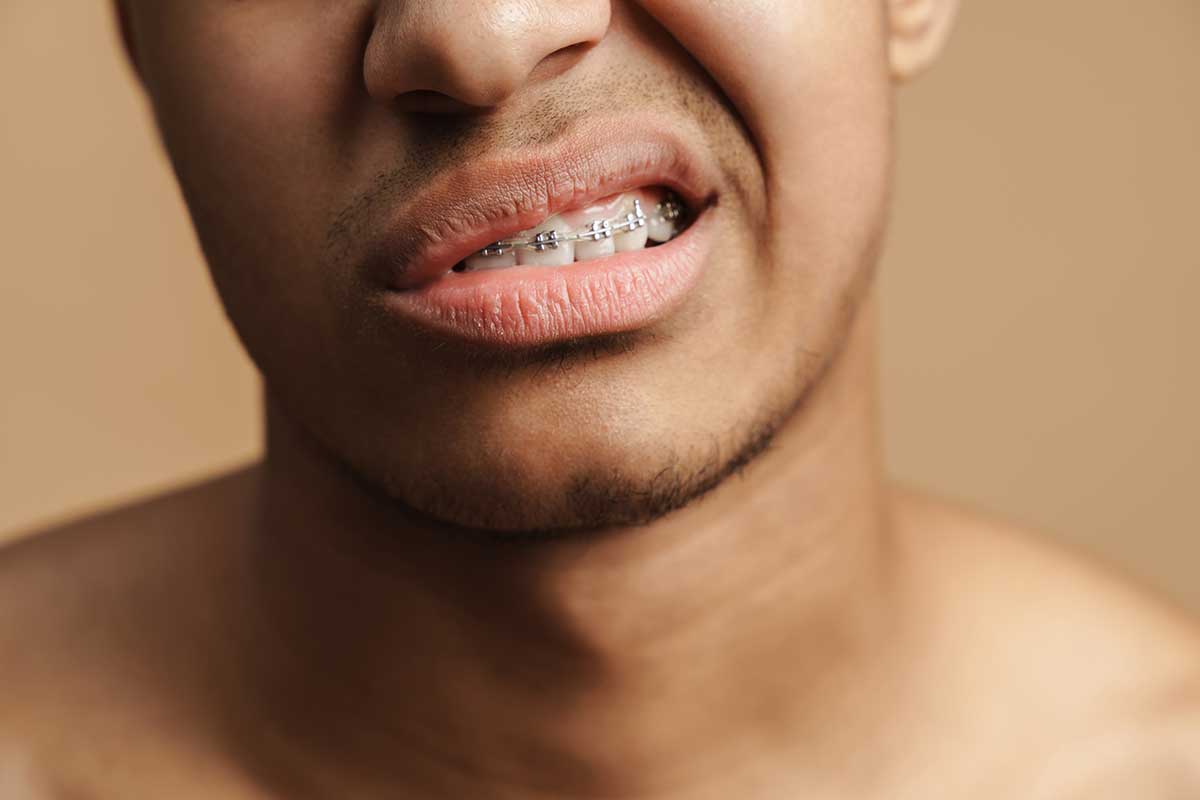
While traditional braces are an effective orthodontic treatment, they do come with certain disadvantages and considerations. It’s important to be aware of these factors when considering traditional braces as an option. Here are some of the disadvantages of regular braces:
Aesthetic appearance: One of the most significant drawbacks of traditional braces is their noticeable appearance. The metal brackets and wires are highly visible when you smile, which can concern individuals who are conscious about their appearance.
Potential discomfort: During the initial adjustment period and after each subsequent adjustment, patients may experience discomfort, soreness, or irritation in the mouth. This discomfort typically subsides within a few days.
Oral hygiene challenges: Cleaning around brackets and wires can be more challenging compared to other orthodontic options. Special floss threaders, interdental brushes, and other tools may be needed to maintain proper oral hygiene and prevent plaque buildup.
Dietary restrictions: Patients with traditional braces are advised to avoid certain foods that are hard, sticky, or can damage the braces, such as popcorn, nuts, hard candies, and chewy foods. This can require dietary adjustments and limitations during treatment.
Speech impediments: Some individuals may experience temporary speech impediments or difficulty pronouncing certain sounds while wearing traditional braces. This is typically a short-term issue that improves with time.
Regular adjustments: Traditional braces require frequent in-office visits for adjustments, which may be less convenient for some patients with busy schedules.
Risk of soft tissue irritation: The brackets and wires of traditional braces can sometimes irritate the cheeks, lips, and tongue, leading to sore spots or ulcers. Wax or silicone covers can help alleviate this discomfort.
Potential for broken or loose components: Brackets or wires can become loose or break, especially if the patient consumes foods that are off-limits or engages in activities that increase the risk of injury to the mouth.
Treatment duration: In some cases, treatment with traditional braces may take longer compared to other orthodontic options, such as clear aligners.
Limited aesthetic choices: While some modern metal braces are smaller and less conspicuous, the aesthetic options for traditional braces are limited compared to clear or tooth-coloured brackets.
Possible tooth discoloration: Some individuals may experience tooth discoloration or demineralization around the brackets due to plaque accumulation. Good oral hygiene practices are essential to prevent this.
Orthodontic emergencies: Patients with traditional braces may experience orthodontic emergencies, such as a broken wire or a loose bracket, requiring immediate attention from an orthodontist.
Do clear aligners get stained?
Yes, clear aligners can become stained over time, but this is largely dependent on how the wearer treats their aligners. With proper cleaning and maintenance care, clear aligners should remain clear for the duration they will be worn. Oral hygiene, dietary habits, and smoking will affect whether clear aligners develop stains or not.
Will clear aligners stain my teeth?
Clear aligners themselves are unlikely to stain your teeth directly. In fact, clear aligners can help protect your teeth by keeping them covered and shielded from some staining substances, such as coffee or red wine, while you are wearing them. However, wearers should always remove the clear aligners to eat and practice proper oral hygiene for their teeth.
What can I eat with clear aligners?
This is a bit of a trick question because the answer is that you can eat whatever you want. After all, the clear aligners are (and should be) removed to eat.
Are clear aligners more expensive than traditional braces?
When it comes to the cost of clear aligners vs. regular braces, it really depends on the application. The cost for a more advanced treatment with regular braces may well exceed that of clear aligner trays, but generally, the two treatment options are comparable. Traditional orthodontic methods like clear braces, ceramic braces, and lingual braces will likely cost more than clear aligners.
Will my speech be affected by clear aligners?

Clear aligners can sometimes have a minor temporary impact on speech, particularly during the initial adjustment period. This speech adjustment is primarily due to the presence of the aligners in the mouth, which can affect the way the tongue and lips interact with the teeth and the aligner material. Here are some common speech-related issues that individuals may experience with clear aligners:
Lisping or slurred speech: Some individuals may notice slight changes in their speech, such as lisping or slurring of certain sounds or words. This is typically more noticeable during the first few days or weeks of wearing new aligners.
Difficulty pronouncing certain sounds: Clear aligners can sometimes interfere with the proper placement of the tongue and lips needed to pronounce specific sounds, especially those involving the “s,” “th,” “z,” and “sh” sounds.
Increased saliva production: Wearing aligners may initially lead to increased saliva production, which can affect speech clarity until the mouth adjusts.
It’s important to understand that speech adjustments with clear aligners are usually temporary and tend to improve as the individual becomes accustomed to wearing the aligners. Here are some tips to help manage speech-related challenges:
Practice speaking: Regular practice and conscious effort to speak clearly can help you adapt to the aligners more quickly.
Read aloud: Reading aloud from a book or practicing speech exercises can aid in adjusting to the aligners and improving speech clarity.
Stay hydrated: Drinking water can help reduce saliva production, which may contribute to improved speech clarity.
Be patient: Give yourself time to adapt. Most people find that any speech difficulties diminish as they become more familiar with wearing clear aligners.
Contact your orthodontist: If you experience persistent speech issues that significantly impact your daily life or work, consult with your orthodontist. They can provide guidance and make adjustments if necessary.
Should you choose clear aligners or regular braces; The bottom line
Opting for either clear aligners or regular braces will largely depend on what is required for the desired treatment outcome. Suppose your orthodontist determines clear aligners are a suitable treatment option. In that case, most patients will choose clear aligners due to their ease of use, the fact they are removable, and the decrease in in-office appointments. If a case is more severe, regular braces may be required, and clear aligners won’t be an option, at least initially.
If given the choice, clear aligners are superior due to the ease of wear and, most importantly, the aesthetic appeal versus traditional braces.