
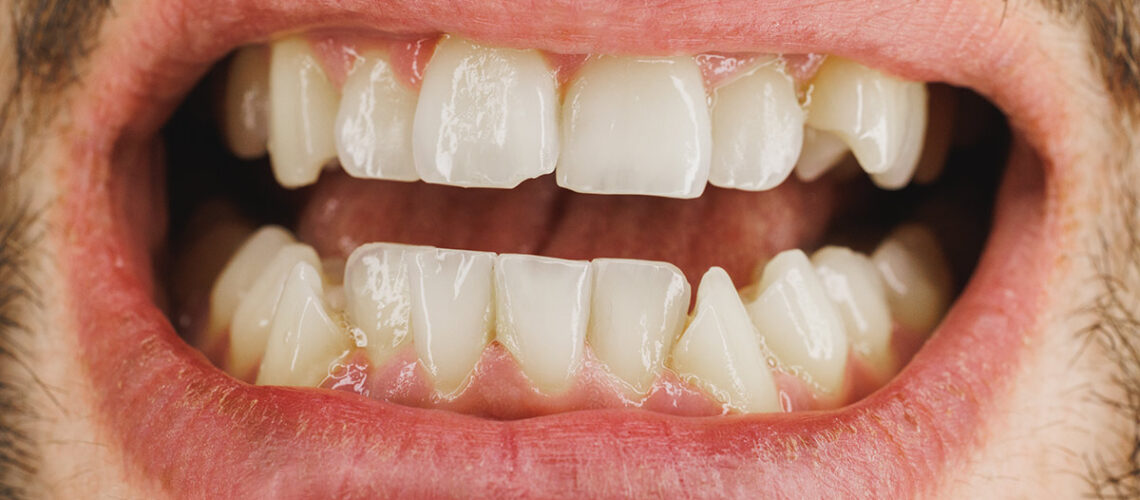
Quick Checklist: What to Do If You Chip a Tooth
- Rinse your mouth with warm water to clean the area
- Save any tooth fragments (place in milk or saline if possible)
- Apply dental wax (or sugar-free gum) to cover sharp edges
- Use a cold compress for swelling
- Avoid chewing on the affected side
- Take over-the-counter pain relievers if needed
- Call your dentist as soon as possible
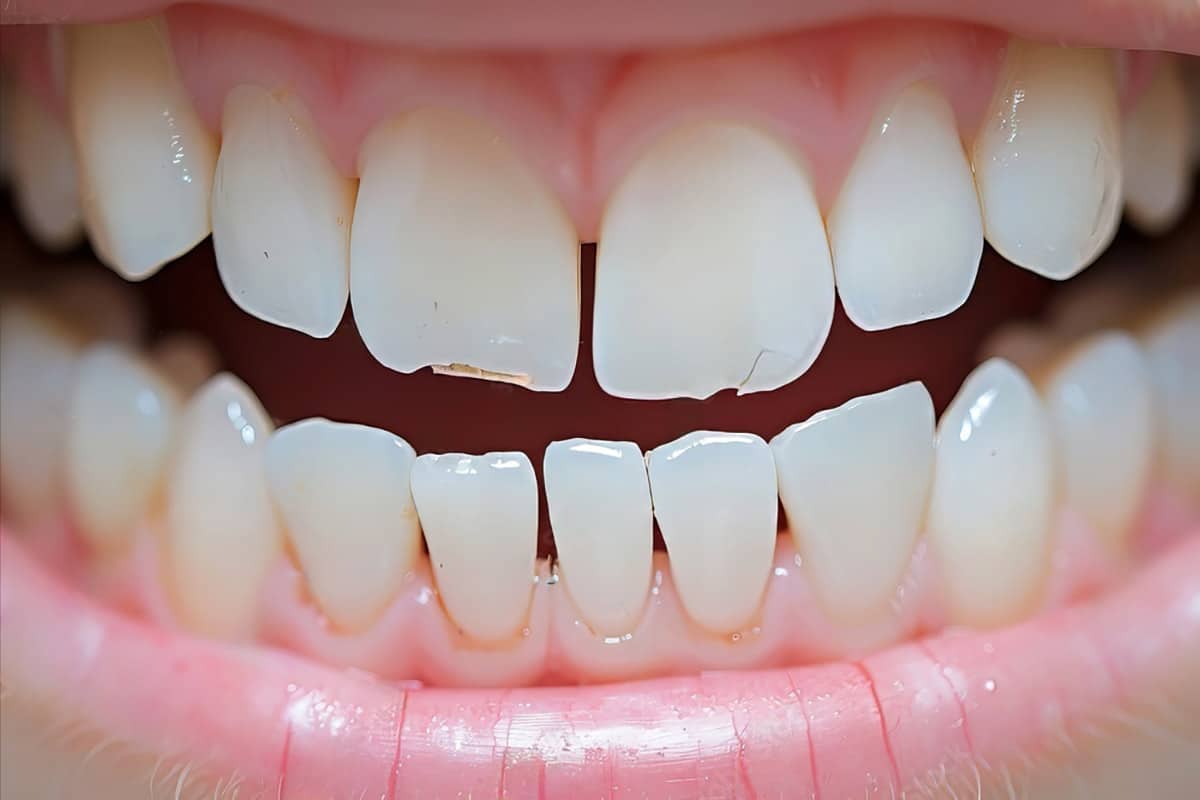
Understanding the Severity: Types of Chipped Teeth
Not all chips are the same—some require only cosmetic fixes, while others may expose nerves or risk infection. Here’s a quick guide:
Treatment Options for a Chipped Tooth
Depending on the severity and location of the chip, your dentist may recommend various treatment options. The goal is to restore function and aesthetics while preventing further damage or infection. Below are the most common treatments for chipped teeth, from simple cosmetic fixes to more advanced restorative procedures.
Dental Bonding
Dental bonding is a quick and cost-effective solution for small, cosmetic chips. Your dentist will apply a tooth-colored composite resin to the damaged area, mould it to match your tooth’s natural shape, and harden it with a curing light. This option is painless, requires little to no tooth preparation, and can usually be completed in a single visit. It’s especially effective for minor chips on front teeth.
Porcelain Veneers
Porcelain veneers are thin, custom-made shells covering a tooth’s front surface. They’re ideal for fixing chipped, stained, or slightly misaligned front teeth. The process involves removing a small amount of enamel to make room for the veneer, taking impressions, and bonding it to the tooth once it’s fabricated. Veneers are durable and offer a natural appearance, making them a popular option for patients focused on aesthetics.
Dental Crowns
Crowns are used when a significant portion of the tooth is missing or its structural integrity is compromised. They act like caps that encase the entire tooth, restoring its shape, strength, and function. Crowns are commonly made from porcelain, metal, or ceramic materials and require two visits for preparation and placement. They are essential when a chip exposes a large portion of the tooth or follows root canal treatment.
Root Canal Therapy
If a chipped tooth exposes the pulp—the inner tissue containing nerves and blood vessels—a root canal is necessary to remove infected or inflamed tissue. After cleaning and sealing the canal, the dentist typically places a crown to protect the tooth and restore function. Though root canals have a reputation for discomfort, modern procedures are highly effective and relatively pain-free with proper anesthesia.
Tooth Extraction
In rare cases where the tooth is too damaged to save—for example, if the fracture extends below the gum line or splits the root—extraction may be required. Your dentist will discuss tooth replacement options such as dental implants, bridges, or dentures to restore your smile and prevent the shifting of adjacent teeth. Extraction is a last-resort option that is only considered when no restorative procedures are viable.

When to Call the Dentist
You should contact your dentist immediately if:
- The chip is large or bleeding
- You feel intense or persistent pain, sensitivity, or a throbbing sensation
- A nerve is exposed (visible pink/red inside the tooth)
- There’s swelling in the gums or face
- A jagged edge causing tongue or cheek injury
- The chip is affecting your speech or ability to chew
- Discoloration in the tooth (could indicate nerve damage
Even if the damage seems minor, untreated chips can lead to decay or infection.
Tip: For pain relief while waiting for your appointment, apply a cold compress and avoid hot/cold foods.
Home Care Until Your Appointment
While you wait to see your dentist, it’s essential to keep the area protected and reduce the risk of infection or further damage:
- Stick to soft foods
- Avoid sugary, hot, or cold items
- Rinse with salt water
- Use temporary dental repair kits
- Avoid using the damaged side
- Stay hydrated
Eating soft foods like yogurt, smoothies, eggs, and mashed vegetables helps you avoid putting pressure on the damaged tooth. Tough or crunchy foods can make the chip worse or cause pain. It’s also wise to steer clear of sugary or temperature-sensitive items, as exposed inner layers of the tooth can react painfully to these substances and are more prone to bacterial buildup.
Rinsing with salt water helps clean the area by killing bacteria and soothing inflamed tissues. Dissolve a teaspoon of salt in a cup of warm water and rinse gently. You can do this several times a day, especially after meals.
Over-the-counter temporary repair kits are available at most drugstores. These often include dental wax or temporary filling material to protect the tooth from sharp edges and irritation. This can be especially helpful if the chip is causing pain when eating or speaking.
Until you get professional care, try not to chew on the side of your mouth where the chipped tooth is. Using the unaffected side helps prevent further damage and reduces discomfort.
Finally, stay well hydrated. Water helps flush out food debris and reduces the risk of infection. Avoid acidic drinks like soda, citrus juices, and sports drinks that can irritate the exposed part of your tooth.
Tip: Avoid clenching or grinding your teeth, especially while sleeping. If you’re prone to grinding, consider using a mouthguard at night until your dental appointment. Your teeth, especially while sleeping. If you’re prone to grinding, consider using a mouthguard at night until your dental appointment.
Preventing Future Chips
- Avoid biting hard items (ice, popcorn kernels, pens)
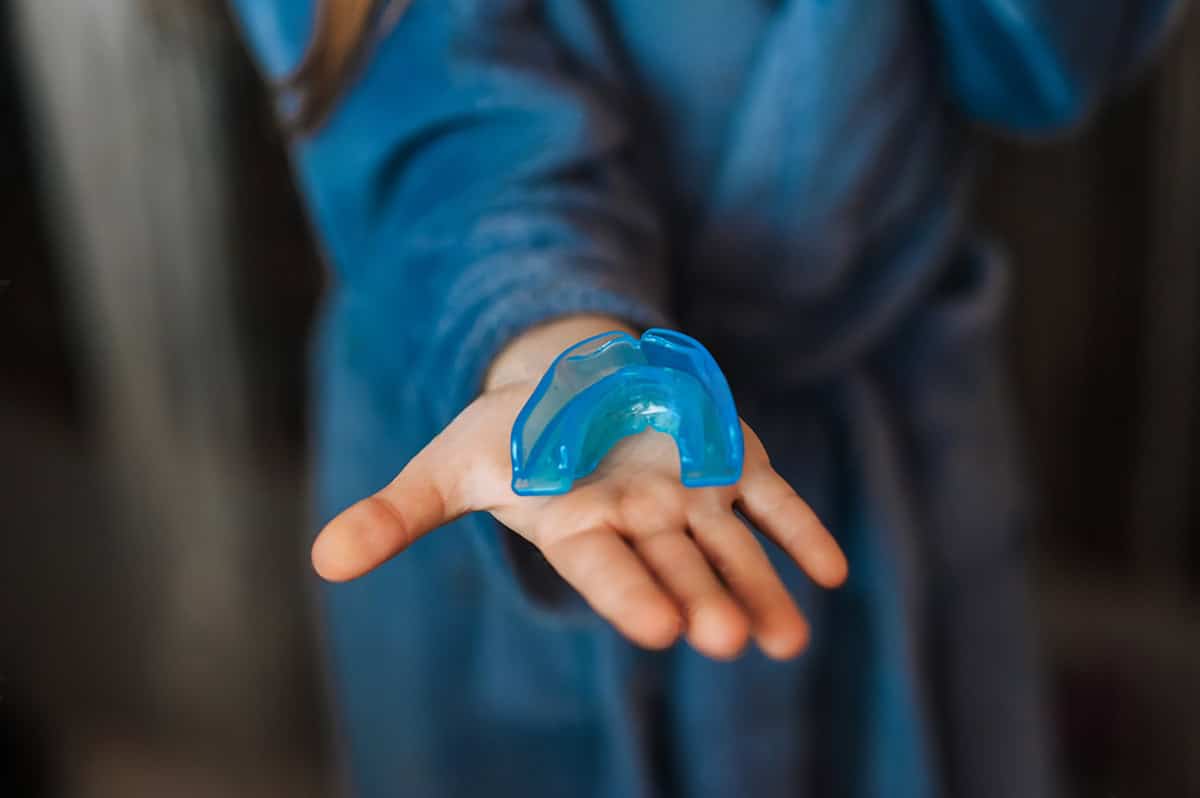
- Wear a mouthguard during sports or if you grind your teeth at night
- Address grinding or clenching (ask your dentist about a nightguard)
- Keep up with regular cleanings to catch problems like cavities or weak enamel early
Preventing chipped teeth often comes down to a combination of daily habits and proactive care. Biting into hard items like ice or unpopped popcorn kernels can easily fracture enamel, so avoiding using your teeth as tools or chewing objects not meant to be eaten is best.
Wearing a custom-fitted mouthguard can dramatically reduce the risk of dental trauma for active individuals or athletes, especially those participating in contact sports.
If you grind or clench your teeth at night—a condition known as bruxism—ask your dentist about a nightguard to protect your enamel from excessive pressure.
Lastly, regular dental checkups allow your provider to detect early signs of enamel wear, tooth weakness, or bite issues that could lead to chips down the road. Consistent maintenance is your best defence against future accidents.