
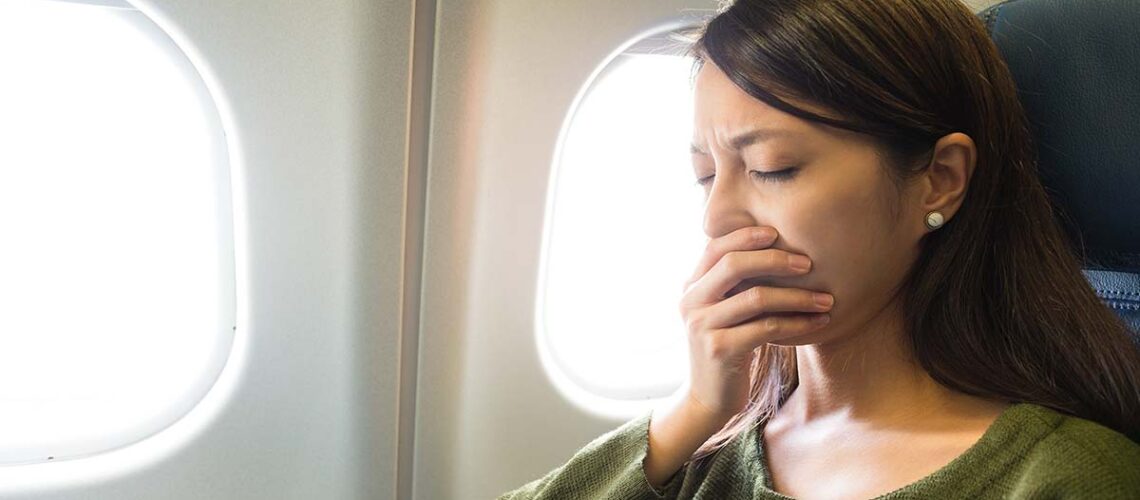
Yes, in many cases you can fly after dental treatment, but the right timing depends on what was done, how you feel, and whether there is still a meaningful risk of bleeding, swelling, pressure-related pain, or complications during healing. A conservative, evidence-based guide suggests waiting about 24 hours after routine restorative work; 24 to 48 hours after a simple extraction; around 72 hours after surgical extraction, implant placement, or non-surgical root canal treatment; and at least 2 weeks after a sinus lift. These are general guidelines, not a substitute for your own dentist’s advice.
For most travellers, the real question is not simply “Can I get on a plane?” It is “Will flying make recovery harder, more painful, or less predictable?” That is where the details matter.
Table of Contents
Quick answer by procedure
Fillings, crowns, bonding, and other routine dental work
If the treatment was straightforward and you feel well, flying is usually reasonable after about 24 hours. That said, if you still have significant numbness, bite changes, sharp pain, or a temporary restoration that feels unstable, it is better to wait and speak with your dentist first.
Simple tooth extraction
A common recommendation is to wait 24 to 48 hours after a simple extraction. That early period matters because the blood clot in the socket is important for healing. If that clot is disturbed, you can end up with increased bleeding, increased pain, or a dry socket.
Surgical extraction or wisdom tooth removal
If the extraction was more involved, such as wisdom tooth surgery, a more cautious guideline is about 72 hours, sometimes longer, depending on swelling, pain, bleeding, and the extent of the surgery. Swelling commonly increases over the first 48 hours after oral surgery and may last several days, which is one reason many people are more comfortable delaying travel when possible.
Root canal treatment
For a routine nonsurgical root canal, it is wise to wait about 72 hours before flying. In real life, some people may feel fine sooner, but if the tooth is still very sore, the bite feels high, or the restoration is temporary and fragile, it is better to be careful.
Dental implant placement
For uncomplicated implant placement, a cautious interval is around 72 hours. That becomes more important if there was additional surgery, multiple implants, significant swelling, bone grafting, or concern about the sinus area.
Bone grafting or sinus lift
This is where people should be much more careful. After a sinus lift, it is usually best to wait at least 2 weeks before flying. In some situations, especially when the sinus area is more extensively involved, an even longer recovery window may be recommended.
Why flying can be a problem after dental work
The main issue is not that airplanes “damage” dental work in a normal, healthy mouth. The concern is that pressure changes can aggravate tissues or teeth that are already irritated, healing, infected, or not yet stable. This kind of pressure-related tooth pain is called barodontalgia.
After oral surgery, there are a few practical reasons to be cautious:
1. Bleeding risk
The first day or two after an extraction or surgery is when bleeding or oozing is most likely to be an issue. Travel is harder when you are trying to manage gauze, pressure, and limited access to care.
2. Dry socket risk
Dry socket is a painful post-extraction complication that happens when the protective clot is lost or breaks down too early, leaving bone and nerves exposed. It does not mean the plane itself “causes” dry socket, but flying too soon after an extraction may be a poor choice if you are still in that early healing window and already at risk of disturbing the site.
3. Swelling and pressure discomfort
Swelling often builds over the first 48 hours after oral surgery. Even when healing is normal, a flight can feel less comfortable if your face is puffy, your jaw is stiff, or your upper teeth and sinuses are tender.
4. Pain from pressure changes
Barodontalgia can happen when a tooth or surrounding tissue already has inflammation, trapped gas, an unresolved infection, or another hidden problem. That is why some people only notice a dental issue when they fly.
5. Sedation and recovery issues
If you had sedation or a general anesthetic, the bigger concern may be recovery from the medication rather than cabin pressure. In practice, if you are groggy, nauseated, dizzy, or not eating or drinking well, travel becomes much less appealing.
When it is usually fine to fly
In general, flying is more likely to be reasonable when all of the following are true:
- Your pain is mild and controlled
- Bleeding has stopped
- Swelling is stable or improving
- You are not still affected by sedation
- You do not have signs of infection
- Your dentist has not told you to avoid pressure changes because of the specific procedure
That is especially true after simpler dental work such as a filling, bonding, a crown appointment, or a routine cleaning, assuming nothing unusual happened and you feel normal.
When you should delay your flight
It is usually smarter to delay travel and contact your dentist or oral surgeon if you have any of the following:
Ongoing bleeding
If the site is still actively bleeding or starts bleeding again easily, it is usually too soon to fly. Mild oozing or pink saliva can be normal for a short time after some procedures, especially an extraction, but steady bleeding is different. It can be difficult to manage in an airport or on a plane, and it may mean the area has not settled properly. If you still need repeated pressure with gauze or the bleeding restarts with talking, drinking, or moving around, it is better to delay travel and contact your dental office.
Severe or worsening pain
Pain after dental work should usually become more manageable with time. If it is getting worse rather than better, that can indicate a dry socket, infection, a bite problem, lingering nerve irritation, or another healing issue. Even if it is not an emergency, it can make flying much more uncomfortable. If you need more medication instead of less, or the pain becomes sharper, more throbbing, or suddenly more intense, it is a good idea to get advice before travelling.
Significant swelling, bad taste, fever, or feeling unwell
Some swelling is normal after oral surgery, especially in the first couple of days. The concern is when swelling keeps increasing, feels excessive, or is accompanied by a bad taste, drainage, fever, or a general feeling of being unwell. That combination can suggest infection or another postoperative problem that should be checked before you leave town. If you feel noticeably worse rather than gradually better, do not ignore it.
Upper jaw procedures involving the sinus
This matters more than many people think. The upper back teeth sit close to the sinus, so procedures in that area can be more sensitive to pressure changes. This can apply to certain upper molar extractions, implants, bone grafting, and sinus lift procedures. If the sinus area was involved, flying too soon may be more uncomfortable, and the waiting period may need to be longer. If your dentist mentioned a sinus issue or gave you sinus precautions, take them seriously before travelling.
You had sedation and still do not feel normal
Even if the dental site itself seems fine, travelling while you still feel the effects of sedation is a separate concern. If you are groggy, nauseated, dizzy, or unsteady, a travel day can be much harder than expected. Airports and flights are not ideal when you are still recovering from medication. If you do not yet feel fully alert and back to normal, it is better to wait.
A more realistic look at common dental scenarios
Can I fly after a filling?
Usually yes, especially if it was a routine filling and you feel fine by the next day. The main exceptions are when the tooth is still very sensitive, the bite feels off, or there was already deep decay or nerve irritation before the filling. In those situations, flying may be possible but not comfortable.
Can I fly after a crown or bridge appointment?
Often yes, but think about whether you have a temporary crown or a final one. A final crown on a comfortable tooth is very different from a recently prepared tooth that still feels tender. If your temporary feels loose or your bite is unstable, address it before you fly.
Can I fly after a root canal?
Many patients can, but not everyone should rush it. Waiting about 72 hours is a reasonable guide. The reason is not that root canals and flying are automatically a bad mix. It is possible that some teeth remain tender for a few days, and pressure changes may be more noticeable if the area is still inflamed or has not yet fully healed.
Can I fly after a tooth extraction?
This is one of the most common questions, and the honest answer is that it depends on whether it was a simple or surgical procedure. A simple extraction often falls within the 24 to 48-hour range. A surgical extraction is closer to 72 hours or longer if recovery is rough. The early clot protection phase matters here.
Can I fly after wisdom tooth removal?
Sometimes yes, but wisdom-tooth surgery is exactly the kind of procedure where people tend to underestimate the first few days of recovery. Swelling often peaks over the first 48 hours, and pain, limited jaw opening, and oozing can make a travel day miserable even if there is no true emergency. If the trip is optional, giving yourself a few days is usually the more comfortable choice.
Can I fly after getting a dental implant?
After a routine implant, waiting about 72 hours is a sensible general guideline. If the surgery was straightforward and recovery is smooth, that may be enough. If there was bone grafting, multiple implants, sinus involvement, or a difficult surgery, a longer wait may be appropriate.
Can I fly after a sinus lift?
This is the clearest category where extra caution makes sense. Waiting at least 2 weeks is usually recommended because the surgery directly involves the sinus area, where pressure changes are more significant. This is not the kind of procedure to treat like a routine filling.
What if you have to fly soon after dental work
Sometimes the flight is not optional. You may be travelling for work, heading home after treatment, or trying to keep plans that cannot easily be changed. If that is your situation, the goal is not to pretend the timing is ideal. It is to reduce the risk of additional pain, bleeding, swelling, or a serious problem while you are in transit. A bit of planning can make a big difference. The more recent or involved the procedure was, the more important it is to be cautious, follow your aftercare closely, and make sure you know what to watch for before you leave.
Ask your dentist for specifics before you go
This is especially important after an extraction, implant, bone graft, root canal, or upper molar procedure. Your dentist knows whether there was anything unusual, whether the site was close to the sinus, and whether they are concerned about bleeding or infection.
What You Should Bring On a Flight After Dental Work
Depending on the procedure, useful items may include:
- gauze
- your prescribed or recommended pain medication
- a small bottle of water
- a written aftercare sheet
- your dentist’s phone number
- any antibiotics or mouth rinse exactly as prescribed
Stay on top of pain control
Do not wait until the pain becomes intense before taking action. It is usually easier to keep discomfort under control than to try to catch up once it has built up. Take any recommended or prescribed medication exactly as directed by your dentist or surgeon, and keep it accessible during travel rather than packed away. That way, you are less likely to end up dealing with unnecessary pain in the middle of a flight or a long airport delay.
Protect the extraction site
If you had an extraction, follow your aftercare instructions closely, especially during the first 24 hours. That early stage is important because the blood clot needs to stay in place for healing to begin properly. Try to avoid anything that could irritate or disturb the area, since that can increase discomfort and raise the risk of complications such as dry socket.
Be realistic about airport food and long travel days
After oral surgery, eating and drinking may take a bit more effort than usual. Soft foods and steady hydration are usually much easier on you than a rushed day built around coffee, salty snacks, and chewing on the tender side of your mouth. Long travel days can also leave you tired, dehydrated, and less consistent with aftercare, so it helps to plan ahead rather than assume you will just manage on the go.
Symptoms that mean you should get help before or during travel
Seek dental or medical advice promptly if you have:
- bleeding that will not stop
- severe or worsening swelling
- worsening pain instead of gradual improvement
- foul taste, pus, fever, or feeling unwell
- trouble swallowing or breathing
- severe sinus symptoms after an upper jaw procedure
Persistent bleeding, severe pain and swelling, and feeling unwell should always be taken seriously after dental treatment.
The simplest rule of thumb
If the procedure was routine and non-surgical, and you feel stable afterward, flying is often fine after a short wait. That usually applies more to treatment like fillings, bonding, crowns, or other straightforward dental work, where there is no surgical wound and recovery is fairly easy.
If the procedure was surgical, it is better to think in terms of days rather than hours. That is especially true after an extraction, wisdom tooth removal, implant placement, bone graft, or any surgery where bleeding, swelling, and healing are bigger parts of the recovery. Even if you technically feel well enough to travel, giving the area a bit more time can make the trip more comfortable and lower the chance of problems.
And if the sinus was involved, be even more cautious. Procedures in the upper back jaw or sinus area can be more sensitive to pressure changes, which is one reason those cases often need a longer buffer before flying.
Bottom line
Yes, many people can fly after dental work. But there is no single answer that fits every procedure.
A practical summary looks like this:
- Routine restorative treatment: about 24 hours
- Simple extraction: 24 to 48 hours
- Surgical extraction or implant placement: about 72 hours
- Nonsurgical root canal treatment: about 72 hours
- Sinus lift: at least 2 weeks
These are general guideposts, not rigid rules. Your own timeline may need to be longer if you had a difficult procedure, upper jaw sinus involvement, ongoing bleeding, severe swelling, infection, or lingering effects from sedation. When in doubt, the best advice will always come from the dentist or oral surgeon who treated you.
Frequently Asked Questions
Absolutely. Persistent oral inflammation or burning sensation can be a response to chronic irritation from tartar, gum disease, or bacteria overgrowth.
Check us out on Facebook and Twitter for daily information about Oral Health from Martindale Dental, or visit our offices in Hamilton and St. Catharines.
Have more questions?
Please contact us for all inquiries or to book an appointment with one of our convenient clinic locations. We look forward to hearing from you.