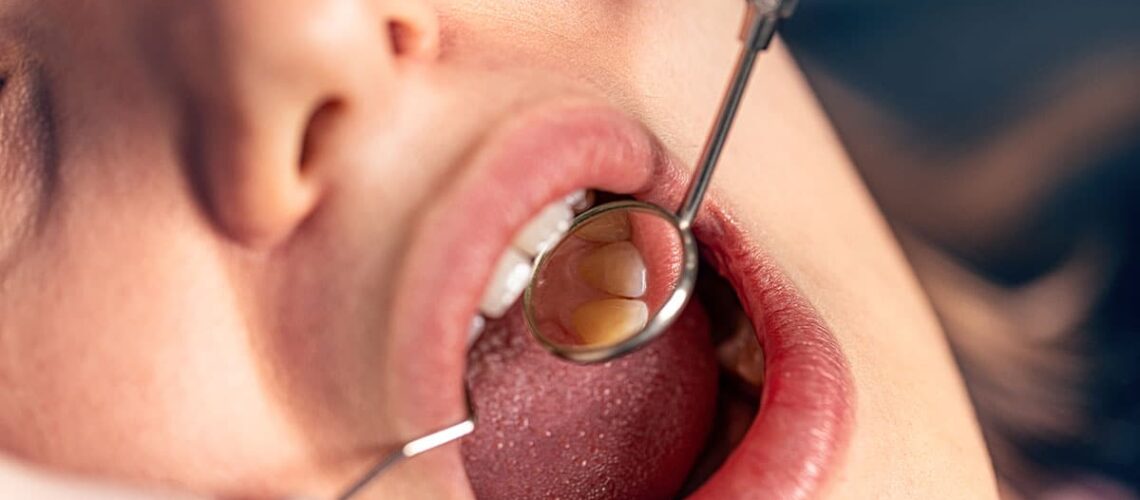
For many patients, especially children, seniors, and those with dental anxiety, the sound of a dental drill is enough to cause stress. Atraumatic Restorative Treatment (ART) is changing that. This minimally invasive dental treatment repairs cavities without drilling or injections, using only hand instruments and special fluoride-releasing materials.
Developed initially to bring dental care to communities without electricity or specialized equipment, ART has now become a trusted treatment in modern dental clinics for patients seeking a gentle, drill-free dental experience.
Table of Contents
What is Atraumatic Restorative Treatment?
Atraumatic Restorative Treatment (ART) is a gentle, minimally invasive method of repairing cavities without the use of dental drills or injections. Instead, your dentist uses precision hand instruments to carefully remove softened, decayed tooth material while preserving as much healthy structure as possible.
Once the decay is removed, the cavity is restored using high-viscosity glass ionomer cement, a tooth-colored, biocompatible material that:
- Bonds chemically to tooth enamel and dentin, creating a strong, long-lasting seal.
- Releases fluoride over time to remineralize surrounding tooth structure and protect against future decay.
- Helps prevent further damage by sealing off bacteria and stopping cavity progression.
Because ART avoids the vibrations, heat, and noise of drills, local anesthesia is rarely needed. This makes the procedure comfortable, anxiety-friendly, and ideal for children, seniors, and patients with dental fear.
Why Choose ART Over Traditional Fillings?
For patients seeking a gentler, less invasive alternative to conventional dental work, Atraumatic Restorative Treatment provides an approach focused on comfort and preservation. Without the whine of a drill or the sting of an injection, ART makes cavity repair a calmer, more approachable experience, especially for those who might otherwise avoid care.
Benefits of choosing ART:
✅ Pain-Free Experience – Gentle hand instruments reduce discomfort and eliminate most need for anesthesia.
✅ Tooth Preservation – Only the decayed portion is removed, keeping more of your healthy tooth intact.
✅ Fluoride Protection – The filling material continuously releases fluoride, helping defend against future decay.
✅ Accessibility – Can be provided in non-traditional settings, such as mobile dental units or community clinics.
✅ Lower Anxiety – Well-suited for patients with dental phobias, young children, or those with special healthcare needs.
When Is ART Recommended?
Atraumatic Restorative Treatment is best suited for situations where comfort, simplicity, and tooth preservation are top priorities. It works well in early to moderate stages of tooth decay and in cases where traditional dental resources may not be available or practical.
ART is most effective for:
✅ Small to medium cavities in baby or adult teeth
✅ Patients sensitive to anesthesia or those with significant dental anxiety
✅ Children with early cavities who benefit from gentle, non-threatening care
✅ Seniors or home-bound patients with limited mobility
✅ Communities lacking full dental facilities or equipment
ART may not be suitable for:
❌ Deep decay involving the tooth’s nerve (pulp)
❌ Large or multi-surface cavities in permanent teeth
❌ Teeth with severe structural damage that cannot support a restoration
Pros & Cons of Atraumatic Restorative Treatment (ART)
Like any dental procedure, ART has unique advantages and limitations. Understanding both helps you make an informed decision.
Pros
- Pain-Free & Needle-Free – No drilling or anesthesia in most cases.
- Tooth Preservation – Only decayed tissue is removed, keeping more of your natural tooth.
- Fluoride Release – The filling material strengthens teeth and helps prevent future decay.
- Low Anxiety – Comfortable for children, dental-phobic patients, and those with special needs.
- Accessible Anywhere – Can be performed in mobile clinics, schools, or community settings.
Cons
- Not for All Cavities – Less effective for large, deep, or multi-surface decay in adult teeth.
- Shorter Lifespan for Some Cases – May need replacement sooner than traditional fillings for high-stress teeth.
- Limited in Severe Damage – Teeth with extensive structural loss may require crowns or other restorative methods.
Step-by-Step: How the ART Procedure Works
The Atraumatic Restorative Treatment process is designed to be gentle, efficient, and patient-friendly. Every step focuses on comfort and tooth preservation while ensuring the restoration is strong and long-lasting.
1. Consultation & Assessment
The dentist examines your teeth visually and, in some cases, with X-rays to assess the depth and location of decay.
A treatment plan is tailored to your needs, focusing on the least invasive approach possible.
2. Comfort & Preparation
The tooth is gently cleaned, and the surrounding tissues are kept dry.
In most cases, no needles or anesthesia are required, making this ideal for patients who are anxious or sensitive.
3. Decay Removal
Using specially designed hand instruments, the dentist carefully removes only the softened, decayed portion of the tooth.
This method avoids the noise, heat, and vibration of traditional drills.
4. Filling Placement
A high-quality glass ionomer cement is pressed into the prepared cavity.
The material bonds directly to the tooth, seals out bacteria, and releases fluoride for ongoing protection.
5. Finishing Touches
Excess material is smoothed away, and your bite is checked to ensure comfort.
The tooth is now sealed, functional, and ready to use right away.
How Long Does an ART Filling Last?
The lifespan of an Atraumatic Restorative Treatment filling depends on factors like cavity size, location, and how well you care for your teeth afterward. While not intended to be permanent in all cases, ART restorations are surprisingly durable for such a gentle approach.
Typical Lifespan – Research shows that single-surface ART fillings in both baby and adult teeth often last 2–3 years or more with proper oral hygiene.
In Baby Teeth – This usually covers the tooth’s remaining lifespan before it naturally falls out.
In Adult Teeth – Longevity varies, but with good care, ART can provide years of function and protection before a replacement is needed.
Maximizing Durability – Daily brushing with fluoride toothpaste, limiting sugary snacks, and regular dental check-ups all help extend the life of the restoration.
Caring for Your Teeth After ART
An ART filling is designed to protect your tooth, but its longevity depends on how well you care for it afterward. Good oral hygiene and smart dietary choices will help your restoration last longer and keep the surrounding teeth healthy.
To extend the life of your ART restoration:
Brush Twice Daily – Use a fluoride toothpaste to strengthen enamel and help prevent new cavities.
- Floss Every Day – Clean between teeth to remove plaque and food particles that brushing can’t reach.
- Watch Your Diet – Limit sugary snacks and acidic drinks that can erode enamel and weaken fillings.
- Schedule Regular Dental Visits – Routine check-ups allow your dentist to monitor your restoration and address any issues early.
Consistent care not only supports the lifespan of your ART filling but also protects your overall oral health.
Key Takeaway
Atraumatic Restorative Treatment offers a gentle, effective, and anxiety-free way to treat cavities—without the drill. Whether for children, seniors, or anyone nervous about dental work, ART combines tooth preservation with fluoride protection, helping maintain healthier smiles for longer.
If you think ART might be right for you, book a consultation today to learn more about this patient-friendly treatment.
Yes. ART can be performed on accessible areas around orthodontic appliances, but your orthodontist and dentist will coordinate to ensure the filling does not interfere with your brackets or wires.
Absolutely. ART can act as a short-term restoration in situations where full dental treatment is delayed, such as during orthodontics, travel, or medical recovery.
No, aftercare is generally the same—good oral hygiene, regular check-ups, and avoiding excessive sugary or acidic foods.
Yes. ART is often preferred during pregnancy because it avoids anesthesia, drilling, and aerosol production, making it safer and more comfortable for expectant mothers.
Often, yes. Because ART is minimally invasive and usually doesn’t require anesthesia, it reduces procedure stress, but your dentist will consult your cardiologist first.
It depends. ART works best for accessible cavities; interproximal (between teeth) decay may be challenging if access is limited.
ART is often equal to or less expensive than traditional fillings because it requires fewer materials and no specialized drilling equipment.
Glass ionomer cement is resistant to staining, but over several years, slight discoloration can occur—especially in patients who consume coffee, tea, or tobacco.
Yes. By sealing exposed dentin and releasing fluoride, ART can reduce tooth sensitivity in some cases.
Definitely. Many dentists pair ART with fluoride varnish applications to boost cavity prevention.
Yes. ART’s quick, gentle approach is ideal for patients who have difficulty tolerating long procedures or complex dental settings.
Yes. If needed, ART fillings can be easily replaced or upgraded to a different material without significant tooth removal.
Most ART procedures take 15–30 minutes per tooth, depending on cavity size and patient cooperation.
Yes. Glass ionomer cement is biocompatible and rarely triggers allergic reactions, but your dentist will check your medical history.
Check us out on Facebook and Twitter for daily information about Oral Health from Martindale Dental, or visit our offices in Hamilton and St. Catharines.
Have more questions?
Please contact us for all inquiries or to book an appointment with one of our convenient clinic locations. We look forward to hearing from you.