

What Is Gum Disease and Its Causes?
Gum disease is an inflammatory condition caused by plaque buildup, a sticky film of bacteria that accumulates on teeth and gums. Plaque, if not removed through proper oral hygiene, hardens into tartar, which irritates the gums and leads to gingivitis.
Common Causes of Gum Disease
Poor Oral Hygiene: Inadequate brushing and flossing allow plaque and tartar to build up.
Smoking or Tobacco Use: These habits impair gum healing and increase bacterial growth.
Hormonal Changes: Fluctuations during pregnancy, menstruation, or menopause can make gums more sensitive.
Chronic Health Conditions: Conditions like diabetes or autoimmune diseases weaken the immune system, increasing susceptibility.
Poor Nutrition: Diets lacking in essential vitamins and minerals, especially vitamin C, compromise gum health.
Stress: High-stress levels affect your immune system, reducing its ability to fight infections.
Understanding these causes can help you take proactive steps to prevent gum disease.
Symptoms of Mild Gum Disease
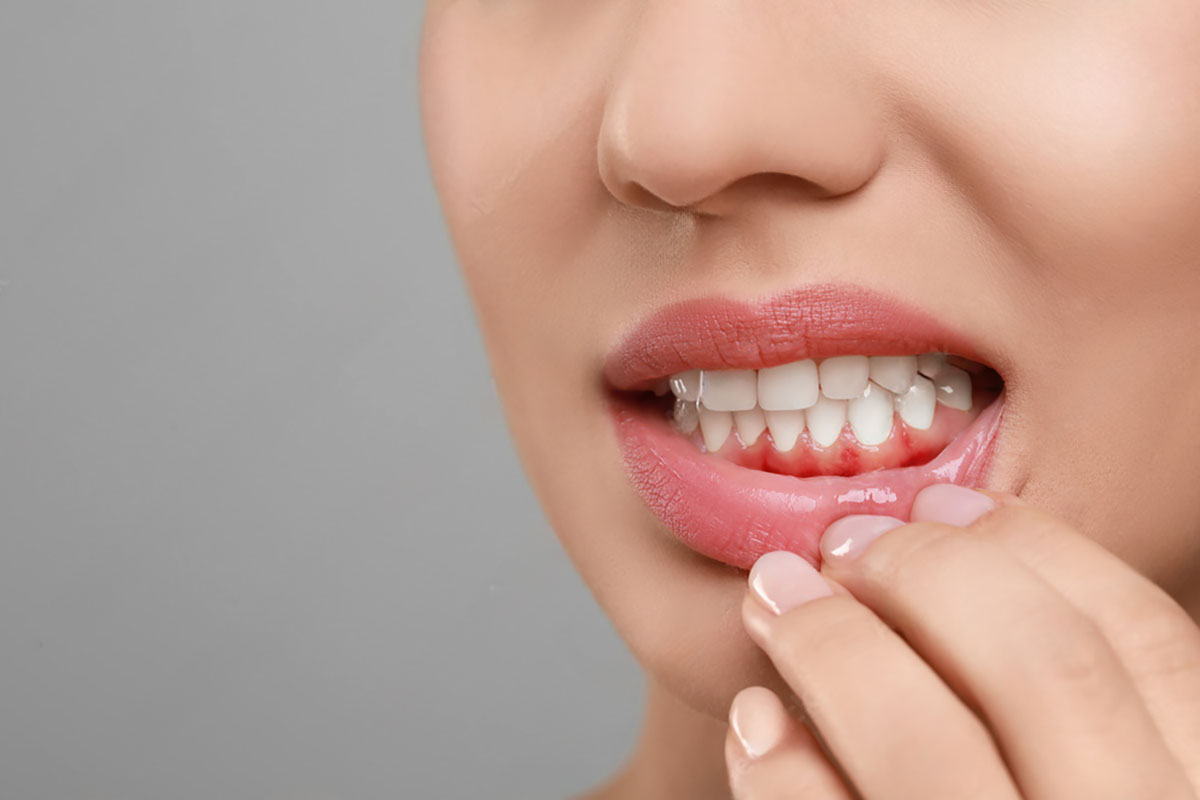
Recognizing the early signs of gum disease is crucial for timely intervention. Common symptoms include:
Red or Swollen Gums: A sign of inflammation caused by bacterial buildup.
Bleeding Gums: Particularly during brushing or flossing.
Persistent Bad Breath: Caused by bacterial growth in the mouth.
Receding Gums: Gums pulling away from teeth, exposing more of the tooth.
Tenderness or Discomfort: Sensitivity in the gums, especially when eating or brushing.
If you notice these symptoms, immediately address them using the remedies and treatments outlined below.
At-Home Remedies for Gum Disease
You can often employ one or more home remedies for mild gum disease to lessen or solve the problem. While taking matters into your own hands may do the trick, if you notice signs that your gum disease is worsening, it’s important to get professional dental care as well.
That said, you can try these remedies can help reduce inflammation, fight bacteria, and restore gum health:
Maintain Proper Oral Hygiene
- Brush twice daily for at least two minutes using fluoride toothpaste.
- Use a soft-bristled toothbrush to avoid damaging sensitive gums.
- Don’t forget to clean your tongue, as it can harbour bacteria.
- Replace your toothbrush every three months or sooner if the bristles are frayed.
- Floss daily to remove plaque and food particles from between teeth. If traditional floss is difficult to use, consider floss picks or interdental brushes.
Use Antimicrobial Mouthwash
- Choose an alcohol-free antimicrobial mouthwash to avoid drying out your mouth.
- Ingredients to look for include chlorhexidine, cetylpyridinium chloride, or essential oils such as eucalyptus or tea tree oil.
- Rinse for 30 seconds twice a day for best results.

Salt Water Rinse
A simple saltwater rinse can reduce swelling, kill bacteria, and promote healing:
- Mix 1/2 teaspoon of salt in a cup of warm water.
- Swish the solution around your mouth for 30 seconds, then spit it out.
- Repeat 2-3 times daily for optimal results.
Oil Pulling
This ancient Ayurvedic practice helps remove toxins and bacteria:
- Take one tablespoon of coconut or sesame oil.
- Swish it in your mouth for 10-15 minutes, ensuring you do not swallow.
- Spit out the oil and rinse your mouth with warm water.
- Perform daily, preferably in the morning before eating.
Use a Water Flosser
A water flosser can effectively clean between teeth and below the gumline:
- Ideal for people with braces, bridges, or sensitive gums.
- Use once daily to remove food particles and plaque.
Apply Aloe Vera Gel
Aloe vera has natural antibacterial and anti-inflammatory properties:
- Extract fresh aloe vera gel or use a commercially available pure gel.
- Apply it directly to your gums and leave it on for 10 minutes.
- Rinse your mouth with water. Repeat twice daily.
Eat a Balanced Diet
Eating a balanced diet helps you ingest the nutrient-rich foods that support gum health:
- Vitamin C: Found in oranges, strawberries, and bell peppers, it strengthens gums and reduces inflammation.
- Vitamin D: Present in fatty fish and fortified foods, it boosts immunity and promotes healing.
- Omega-3 Fatty Acids: Found in salmon, walnuts, and flaxseeds, these reduce inflammation.
- Avoid sugary and acidic foods that can exacerbate bacterial growth.
Professional Treatments for Gum Disease
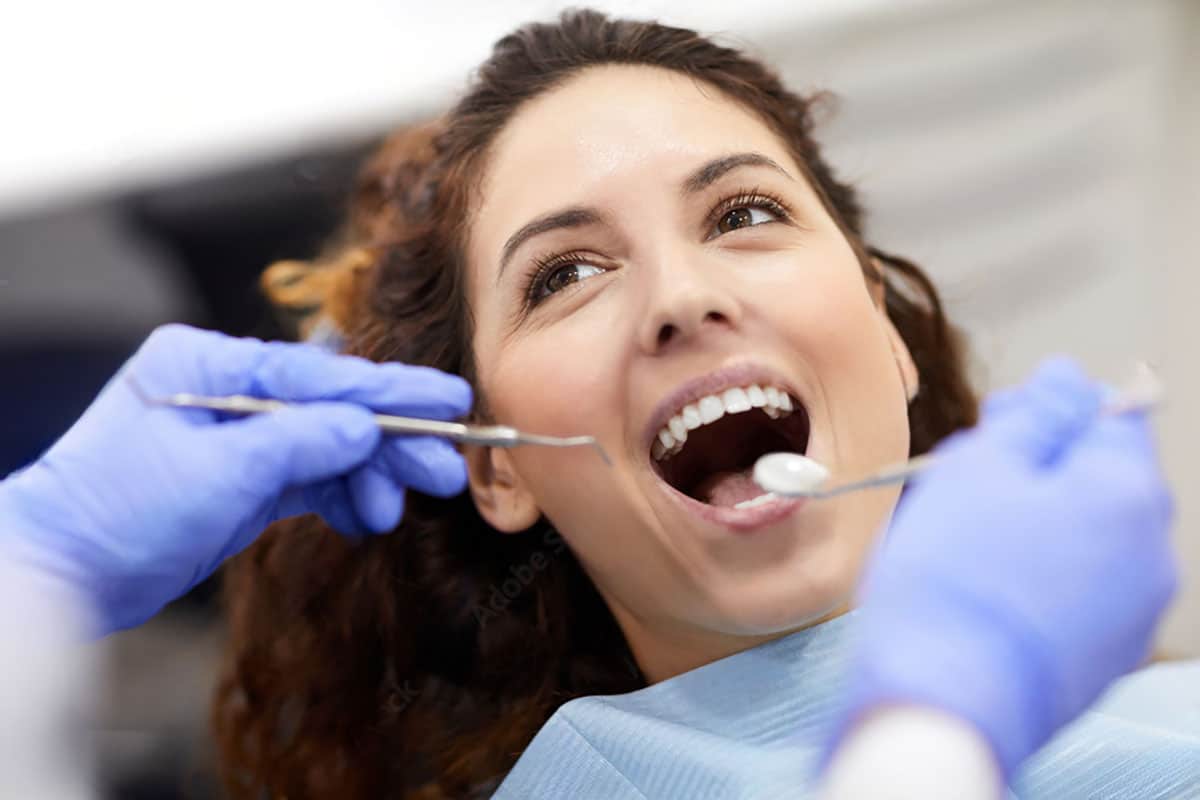
While at home remedies can manage mild gum disease, professional dental care is crucial for thorough cleaning and advanced treatments.
Professional Dental Cleaning
Routine dental cleanings remove plaque and tartar that cannot be eliminated with brushing and flossing. Schedule cleanings every six months or more frequently if recommended by your dentist.
Scaling and Root Planing
This deep-cleaning procedure removes tartar below the gumline and smooths tooth roots to help gums reattach. It’s an effective treatment for mild to moderate gum disease.
Antibacterial Therapy
Dentists may apply antibacterial gels or prescribe medicated mouthwashes to control infection and promote healing.
Laser Therapy
Laser treatments precisely remove diseased gum tissue, reducing inflammation and encouraging gum regeneration with minimal discomfort.
Preventing Gum Disease
Prevention is key to maintaining lifelong gum health. Follow these tips to reduce your risk:
- Brush and floss regularly, ensuring proper technique.
- Visit your dentist for regular checkups and cleanings.
- Quit smoking and limit alcohol consumption, both of which weaken your gums.
- Stay hydrated to promote saliva production, which naturally cleanses your mouth.
- Manage stress to boost your immune system’s ability to fight infections.
When to See a Dentist
If symptoms persist or worsen despite using at-home remedies, consult your dentist promptly. Signs that require professional care include:
- Severe gum pain or swelling
- Gums that bleed excessively or recede significantly
- Loose teeth or pus between your teeth and gums
- Early intervention can prevent mild gum disease from progressing to periodontitis.
Conclusion
Taking charge of your gum health is easier than you think. Combining these at-home remedies with regular professional care can reverse mild gum disease and maintain a healthy, confident smile. Remember, the earlier you address gum disease, the better the outcome. If you’re experiencing symptoms of gum disease, schedule an appointment with our dental office today. Together, we’ll develop a personalized plan to restore your oral health.