

1. Use the Right Toothbrush
We can often attribute (at least some) of their gum damage to using the wrong toothbrush. This means one with hard bristles that can damage your gums and lead to recession. Hard bristles combined with aggressive brushing can wear down gum tissue, causing it to pull away from your teeth and expose the sensitive roots.
Additionally, poorly designed toothbrushes with uneven bristles or overly large heads can fail to clean effectively while still causing trauma to the delicate gum tissue.
Hard bristles and aggressive brushing can wear away gum tissue and enamel, leading to sensitivity and exposure of tooth roots.
Best Practices:
The right toothbrush for gum health has soft bristles that can clean effectively without harming the gums. A small or medium-sized brush head ensures you can reach all areas of your mouth, including the back teeth. Many dentists recommend electric toothbrushes with built-in pressure sensors and gum-care modes, as they help prevent overbrushing and provide consistent cleaning.
Technique for using a regular (non-electric) toothbrush:
- Hold your toothbrush at a 45-degree angle to the gumline.
- Use gentle, circular motions to clean the teeth and gums.
- Avoid back-and-forth scrubbing, which can cause trauma.
2. Replace Your Toothbrush Regularly
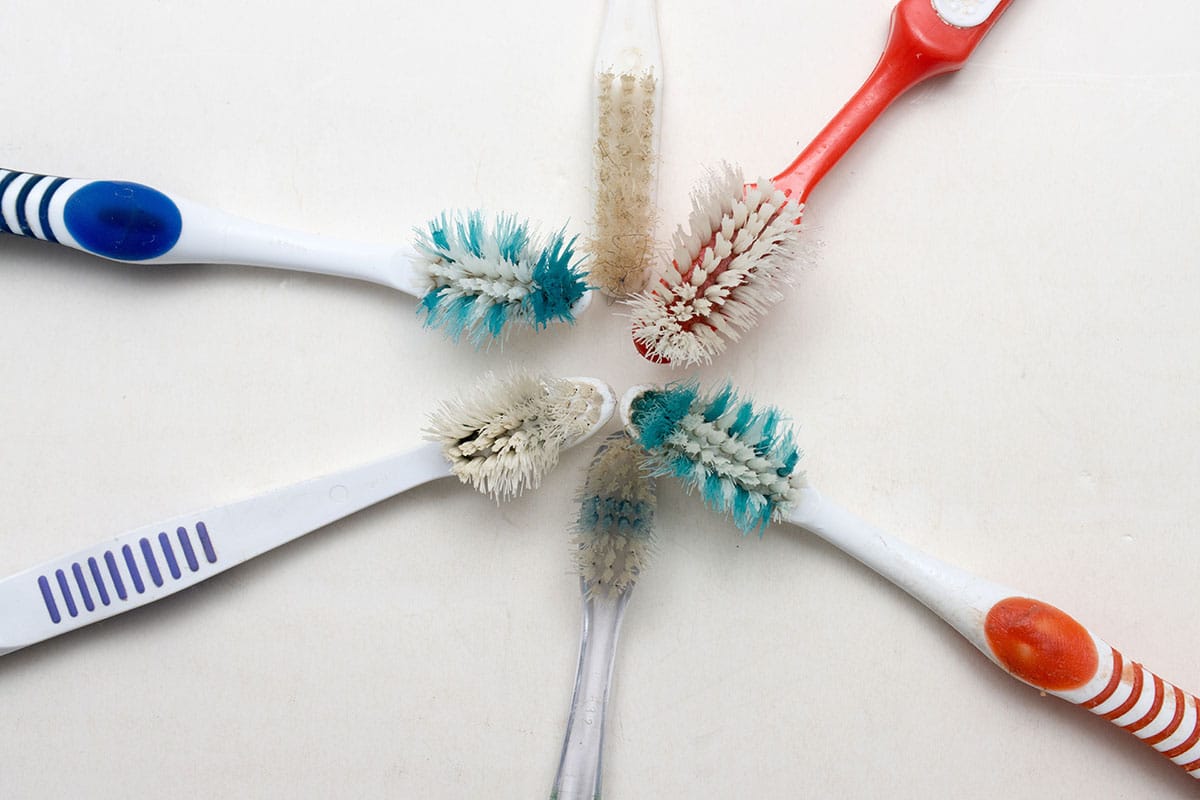
Over time, toothbrush bristles wear out and become less effective at cleaning.
Worn bristles can harbour bacteria and irritate the gums. An old and frayed (used) toothbrush is also not what you want to be using, as those frayed bristles will poke into and under your gumline, causing irritation quite quickly.
Best Practices:
Replace your toothbrush every 3 months or sooner if the bristles are splayed.
For electric toothbrush users, replace the brush head according to the manufacturer’s guidelines, typically every 3-4 months.
3. Floss Daily
Brushing cleans the surfaces of your teeth, but it can’t reach between them. Plaque buildup in these areas can irritate gums and lead to gum disease.
Flossing removes debris and bacteria from between teeth and just below the gumline, where gum disease often begins. We can’t stress the importance of flossing enough!
Best Practices:
- Use about 18 inches of floss, wrapping most of it around your fingers, leaving a small section to work with.
- Slide the floss gently between your teeth and curve it into a C-shape around each tooth, moving it up and down to remove plaque.
Alternatives for Flossing:
If traditional floss is challenging, try a water flosser or interdental brushes, which are excellent for cleaning between teeth without irritating the gums.
4. Brush Properly
It’s just brushing your teeth, right? Not quite, because proper brushing removes plaque and prevents the buildup that leads to gum disease, while improper brushing can harm your gums. Learn it once, and do it properly for life.
Best Practices:
- Brush for 2 minutes twice a day, focusing on all tooth surfaces and along the gum line.
- Keep your toothbrush held at a 45-degree angle to the gum line.
- Use gentle, circular motions to clean the teeth and gums. Try not to push up into the gums at any time.
- Avoid back-and-forth scrubbing, which can cause trauma to the sensitive gums, especially those “widows peak” areas between teeth where they meet the gumline.
- Avoid overbrushing; applying too much pressure can damage gum tissue.
5. Rinse with an Antimicrobial Mouthwash

Mouthwash is a great way to help reduce bacteria in areas your toothbrush and floss may not reach. Choose an alcohol-free mouthwash with active ingredients like chlorhexidine, essential oils, or fluoride. Antimicrobial mouthwashes help reduce bacteria that cause gingivitis and periodontitis, while fluoride rinses strengthen teeth and protect exposed roots.
Look for products labelled specifically for gum health or recommended by your dentist.
A hydrating rinse can help maintain moisture and prevent irritation for individuals with dry mouth. Use mouthwash as part of your daily routine after brushing and flossing for optimal gum protection and fresh breath.
Best Practices:
- Rinse at least once a day, preferably before going to sleep at night.
- Choose a fluoride rinse to strengthen enamel or a mouthwash containing chlorhexidine or essential oils to reduce bacteria.
- Rinse for 30 seconds after brushing and flossing.
6. Quit Smoking and Tobacco Use
Tobacco use and smoking are among the most damaging habits for your gums, contributing significantly to gum disease and recession. Smoking restricts blood flow to the gums, depriving them of essential nutrients and oxygen needed for healing and maintaining tissue health. This reduced circulation weakens the gums’ natural defences, making it easier for bacteria to invade and cause infections such as gingivitis and periodontitis.
Moreover, the chemicals in tobacco, such as nicotine and tar, create a toxic environment in the mouth, promoting plaque and tartar buildup along the gumline. This irritates the gums and leads to inflammation, which, if untreated, can result in gum recession. Over time, the continuous assault from smoking can destroy the supporting structures of the teeth, leading to loose teeth and even tooth loss.
Best Practices:
- Quit smoking and using nicotine products.
- If quitting feels overwhelming, consider nicotine replacement therapies, support groups, or consulting with your dentist for cessation resources.
- Within weeks of quitting, you’ll notice healthier gums and reduced bleeding.
- If quitting isn’t a choice you’re willing to make, then rinsing your mouth after smoking can help a bit.
7. Manage Stress
Stress significantly impacts gum health, contributing to gum disease and recession in various ways. When you’re stressed, your body releases cortisol, a hormone that, at high levels, can weaken the immune system and increase inflammation throughout the body, including the gums. This makes your gums more susceptible to infections like gingivitis and periodontitis, allowing bacteria to cause damage more easily. Additionally, stress can impair your ability to heal, meaning that even minor gum issues may worsen over time.
Stress also often leads to neglect of oral hygiene routines, such as irregular brushing and flossing, which can exacerbate plaque buildup and gum irritation. Additionally, stress-induced behaviours like teeth grinding (bruxism) place excessive pressure on the gums and supporting structures, contributing to gum recession. Chronic stress can even cause dry mouth, reducing saliva production and creating an environment where harmful bacteria can thrive.
Best Practices:
- Incorporate stress-reducing activities such as meditation, yoga, or regular exercise into your daily routine.
- Use a nightguard if you grind your teeth while sleeping to protect your gums and teeth from unnecessary pressure.
- Seek professional support to help manage your stress correctly.
8. Protect Your Teeth with a Mouthguard

A mouthguard is a valuable tool for protecting your teeth and gums from damage caused by teeth grinding (bruxism), clenching, or physical trauma during sports. Bruxism, often triggered by stress, places excessive pressure on teeth and gums, leading to gum recession, enamel wear, and jaw pain. A custom-fitted nightguard provides a cushion between your teeth, reducing strain on the gums and preventing further damage.
A sports mouthguard is essential for athletes to shield their teeth and gums from impact injuries during high-contact activities. These guards absorb shocks and prevent lacerations to gum tissue caused by sudden blows. A properly fitted mouthguard ensures comfort, stability, and maximum protection, making it a key investment in preserving oral health for both everyday and active lifestyles.
Best Practices:
- If you grind your teeth, consult your dentist about a custom nightguard to reduce damage.
- For sports, wear a sports mouthguard to protect both your teeth and gums from impact.
9. Address Dry Mouth
Dry mouth, or xerostomia, occurs when your mouth doesn’t produce enough saliva, which is essential for keeping gums healthy. Saliva washes away food particles and bacteria, neutralizes acids, and helps prevent plaque buildup. Without sufficient saliva, bacteria can thrive, leading to gum irritation, inflammation, and an increased risk of gum disease. Over time, chronic dryness can weaken gum tissue, contributing to gum recession and tooth sensitivity.
Best Practices:
- Drink plenty of water throughout the day to stay hydrated.
- Use sugar-free gum or lozenges containing xylitol to stimulate saliva production.
- For chronic dry mouth, consider using a saliva substitute or a prescription product recommended by your dentist.
- Speak to your dentist to help identify underlying causes.
10. Eat a Balanced Diet

A balanced diet is essential for maintaining healthy gums and preventing recession. Nutrients like vitamin C promote collagen production, which strengthens gum tissue and aids in healing, while calcium helps maintain strong teeth and jawbones, the foundation of healthy gums. Omega-3 fatty acids, found in foods like salmon and walnuts, reduce inflammation and can help protect against gum disease. Conversely, a diet high in sugary or acidic foods fuels harmful bacteria, leading to plaque buildup and gum irritation.
To support gum health, incorporate nutrient-rich foods such as leafy greens, citrus fruits, dairy products, and nuts into your meals.
Staying hydrated also helps by flushing away food particles and bacteria.
Foods to Include:
- Vitamin C-rich foods: Oranges, strawberries, and bell peppers promote collagen production and gum repair.
- Calcium-rich foods: Dairy products, almonds, and leafy greens strengthen teeth and support bone.
- Omega-3 fatty acids: Found in salmon, flaxseeds, and walnuts, these reduce inflammation and support gum health.
Foods to Avoid:
- Limit sugary and acidic foods, which feed harmful bacteria and erode enamel.
11. Visit Your Dentist Regularly
Regular dental visits are critical for maintaining healthy gums and preventing gum recession. During a professional cleaning, your dentist or hygienist removes plaque and tartar buildup that brushing and flossing alone cannot address. This reduces gum inflammation and prevents the progression of gum disease. Additionally, routine checkups allow your dentist to detect early signs of gum issues, such as redness, swelling, or minor recession, before they become severe.
Visiting your dentist every six months—or more frequently if you’re at higher risk—helps address potential problems early. If gum damage is present, your dentist can recommend treatments like scaling and root planing, laser therapy, or gum grafting to restore health. Professional care, combined with a strong at-home oral hygiene routine, provides the best defence against gum disease and recession, preserving your smile and overall oral health.
Best Practices:
- Schedule dental checkups every six months or more frequently if you have a history of gum disease.
- During your visits, ask about gum health and personalized care tips for prevention.
12. Monitor Early Symptoms
Monitoring early symptoms of gum disease is essential for preventing long-term damage and gum recession. Early signs such as redness, swelling, bleeding during brushing or flossing, persistent bad breath, or gums that feel tender are often overlooked but indicate inflammation or infection. Catching these symptoms early allows for timely intervention, preventing the progression to more severe stages like periodontitis.
If you notice any of these signs, schedule a dental checkup promptly. Your dentist can assess your gum health and recommend preventive treatments, such as professional cleanings or scaling and root planing, to address the issue.
Signs to Watch For:
- Bleeding during brushing or flossing.
- Persistent bad breath.
- Swollen, tender, or red gums.
- Receding gums or loose teeth.
Conclusion
Minimizing gum damage requires proper daily care, a healthy lifestyle, and regular dental checkups. By incorporating these habits into your routine, you can maintain strong, healthy gums and prevent future issues.
Consult your dentist if you’re concerned about your gum health or need guidance. Professional care and proactive at-home efforts will ensure your gums stay healthy for years.